

Why Service Access Must Be Designed Before Finishes Are Installed
Ignoring service access planning until after finishes are installed is a costly mistake in high-value villa projects. Without early coordination, AV rack access, projector hush box access, and HVAC coil and filter access become challenges that disrupt schedules and inflate budgets. You’ll see how poor planning risks acoustic isolation penetrations, equipment rack ventilation, and residential ELV maintenance—leading to rework and long-term reliability issues. This article outlines key coordination steps and a checklist to protect your investment before construction closes out.
Consequences of Ignoring Service Access
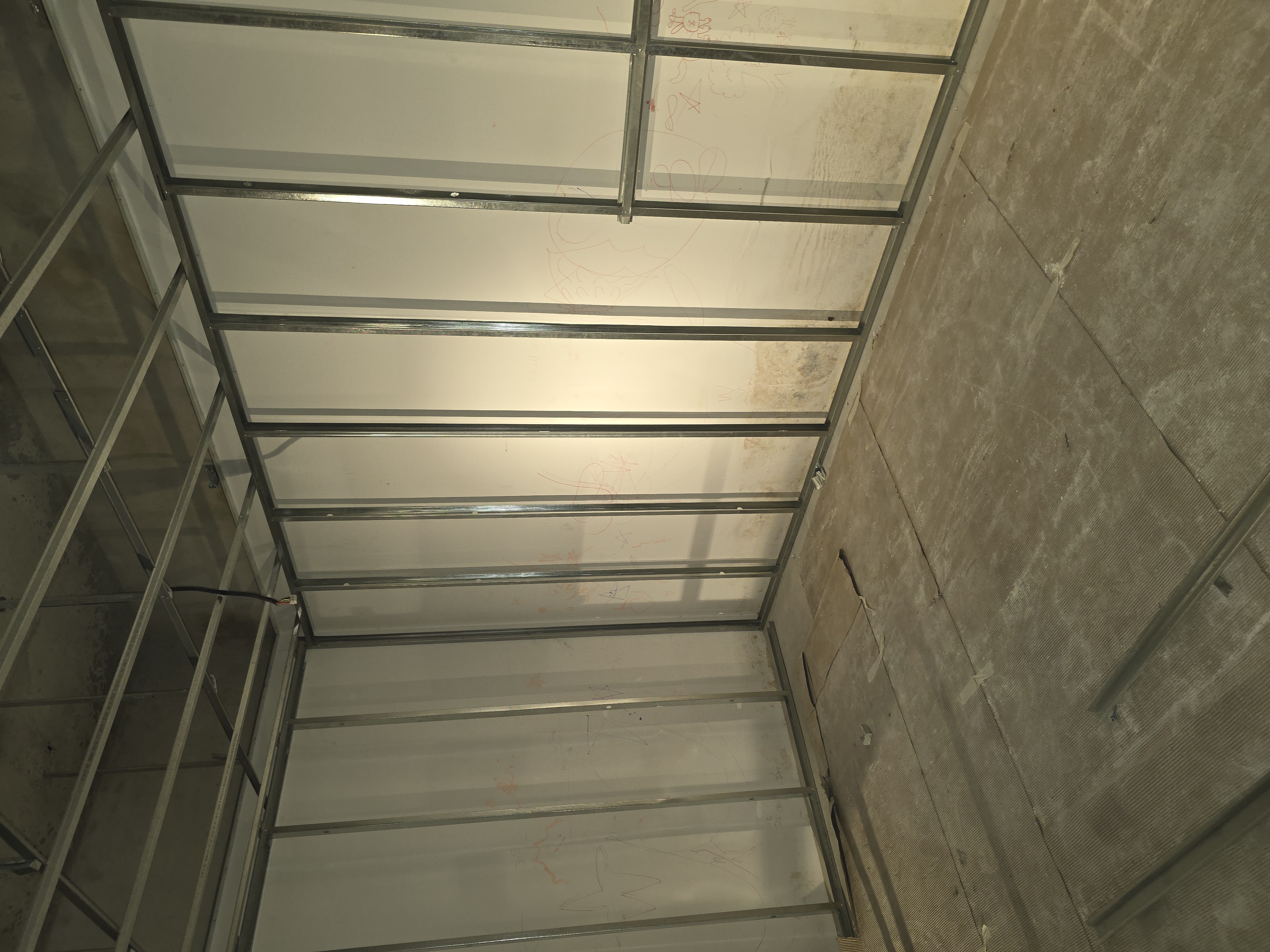
When it comes to high-value villa projects, overlooking service access can lead to a cascade of issues. Let’s explore these consequences and understand why early planning is non-negotiable.
Operational Challenges and Downtime
Ignoring service access can disrupt operations significantly. Imagine trying to service an AV rack tucked away with no easy access. This oversight can lead to prolonged downtimes, as maintenance teams struggle to reach equipment efficiently. You need to ensure that every component is reachable without hassle. Inadequate access means longer repair times, which can frustrate residents and lead to unnecessary delays. The longer you wait, the more complex the fixes become, impacting the overall project timeline.
Acoustic Leaks and Their Impact
Acoustic integrity is crucial in high-performance environments. Poorly planned access can lead to acoustic leaks, compromising sound quality in private cinemas or home theaters. These leaks occur when panels or doors are not integrated properly, allowing sound to escape. When sound isolation is breached, it diminishes the immersive experience expected in luxury settings. Most people think minor leaks are tolerable, but they degrade quality significantly over time. Proper planning ensures your acoustic environment meets the highest standards.
Financial Repercussions and Rework
Overlooking service access has direct financial implications. Rework often becomes necessary when issues arise post-installation. The costs can skyrocket as contractors revisit areas to rectify access points. In financial terms, the lack of initial planning leads to budget overruns. While some might assume that rework is manageable, it’s a burden on resources and can disrupt project cash flows. Protecting your budget from these avoidable expenses is a key advantage of early coordination.
Coordination Essentials for Service Access
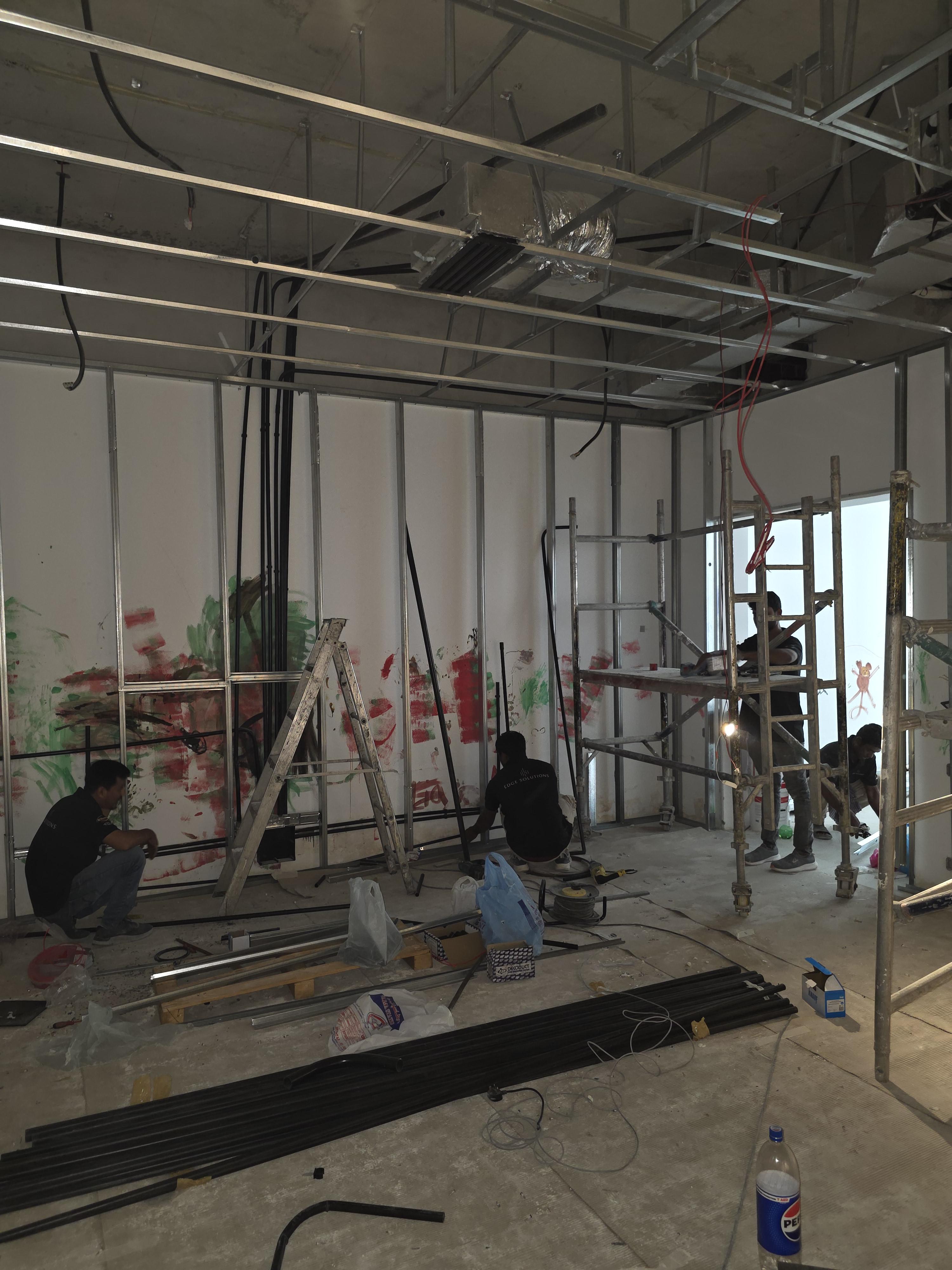
Understanding the importance of service access is just the beginning. The next step is to coordinate effectively with all involved teams to ensure integration is seamless.
Architectural and MEP Integration
Proper integration between architecture and MEP is essential for maintaining access. It starts with ensuring that access panels are incorporated into architectural designs. This coordination helps avoid clashes with structural or mechanical elements. Involving MEP consultants early allows for adjustments before any concrete slab is poured. Detailed planning prevents future conflicts and ensures systems operate smoothly. By doing this, you protect both structural integrity and system functionality.
Specifying Acoustic-Rated Access Panels
Not all access panels are created equal. In high-performance environments, acoustic-rated panels are essential. These specially designed panels maintain the room’s acoustic properties while allowing necessary access. They’re a simple addition but have a profound impact on sound quality. Most believe any panel will suffice, but only acoustic-rated solutions ensure minimal disruption. Incorporating these panels early helps maintain the auditory experience without sacrificing serviceability.
Planning HVAC and Equipment Ventilation
Ventilation is another critical aspect. Proper planning ensures HVAC systems don’t obstruct equipment access or create noise issues. Attention to airflow and placement means your systems work quietly and efficiently. It also helps in maintaining the longevity of the equipment by preventing overheating. Without this foresight, HVAC systems can become obstacles rather than support structures. Effective planning in this area keeps both airflow and maintenance hassle-free.
Practical Checklist for Access Planning
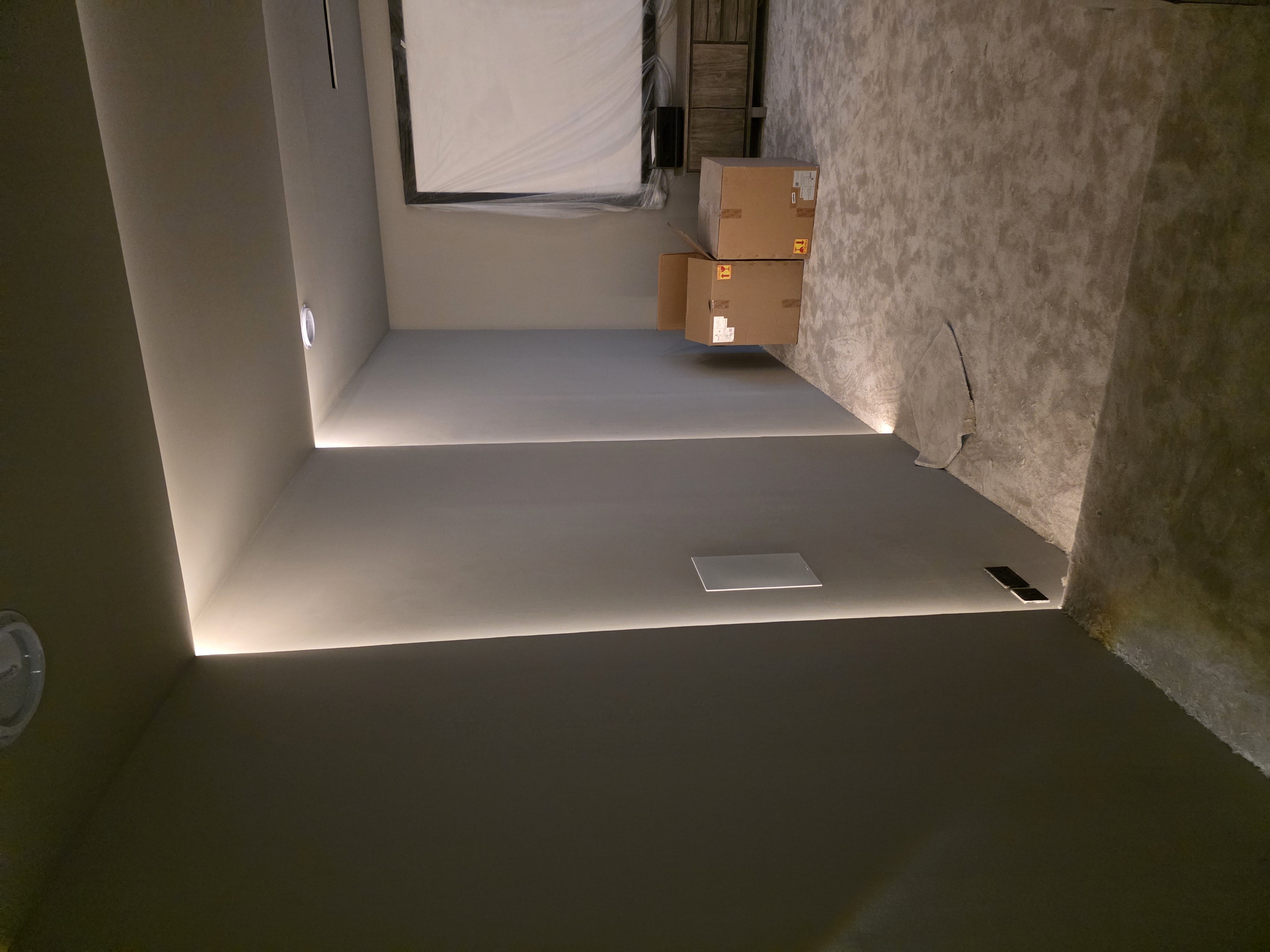
Having a checklist ensures that no detail is overlooked during the planning phase. This practical guide is your roadmap to seamless service access.
Identifying Critical Maintenance Points
Start by identifying all critical maintenance points in your project. These include AV racks, HVAC units, and any other equipment requiring regular service. Documenting these points ensures they’re accounted for in the design phase. You’ll want to map out pathways and ensure there are no obstructions to these areas. This proactive approach minimizes future headaches and keeps systems running smoothly.
Ensuring Clearances and Serviceability
Clearances are vital for efficient servicing. Ensure that all equipment has enough space around it for technicians to work. This might seem obvious, but it’s often overlooked in the rush to complete projects. Confirm that all equipment is accessible without removing other components. Clearances should be checked against industry standards to guarantee compliance. This step eliminates common access issues and supports long-term functionality.
Documenting Access in Construction Plans
Finally, document everything in the construction plans. This documentation should include detailed drawings and specifications for each access point. It serves as a reference for contractors and ensures everyone is aligned. Proper documentation reduces the risk of miscommunication and errors during construction. It also provides a clear guide for any future work, protecting your investment by maintaining the integrity of the initial design.
By understanding and implementing these principles, you’re not only protecting your project’s immediate success but also its long-term reliability. Prioritize service access planning now to avoid costly mistakes later.


