
Smart Home Automation: Navigating the Future with Precision and Clarity
Smart home automation is no longer a matter of adding gadgets. In high-end UAE residential projects, it means engineering-led solutions that stand the test of time. Planning with structured cabling and HVAC integration ensures system reliability and long-term performance, avoiding common pitfalls many face after handover. This post lays out how precision and clarity in design shape a future-proof smart home.
Engineering-Driven Design

In the world of smart home automation, the foundation of a successful project is built on sound engineering principles. This section explores how prioritizing reliability, structured cabling, and HVAC integration form the bedrock of high-performance systems.
Prioritizing System Reliability
When it comes to smart homes, reliability isn’t just a feature; it’s a necessity. You need systems that work flawlessly day after day. A reliable system means fewer disruptions and more peace of mind. The key to achieving this is through thoughtful planning and execution. By focusing on potential problems before installation begins, you can avoid many headaches down the road. Most failures happen not because of the equipment itself but due to poor planning. Addressing these issues early ensures that your smart home functions smoothly for years.
Structured Cabling for Stability
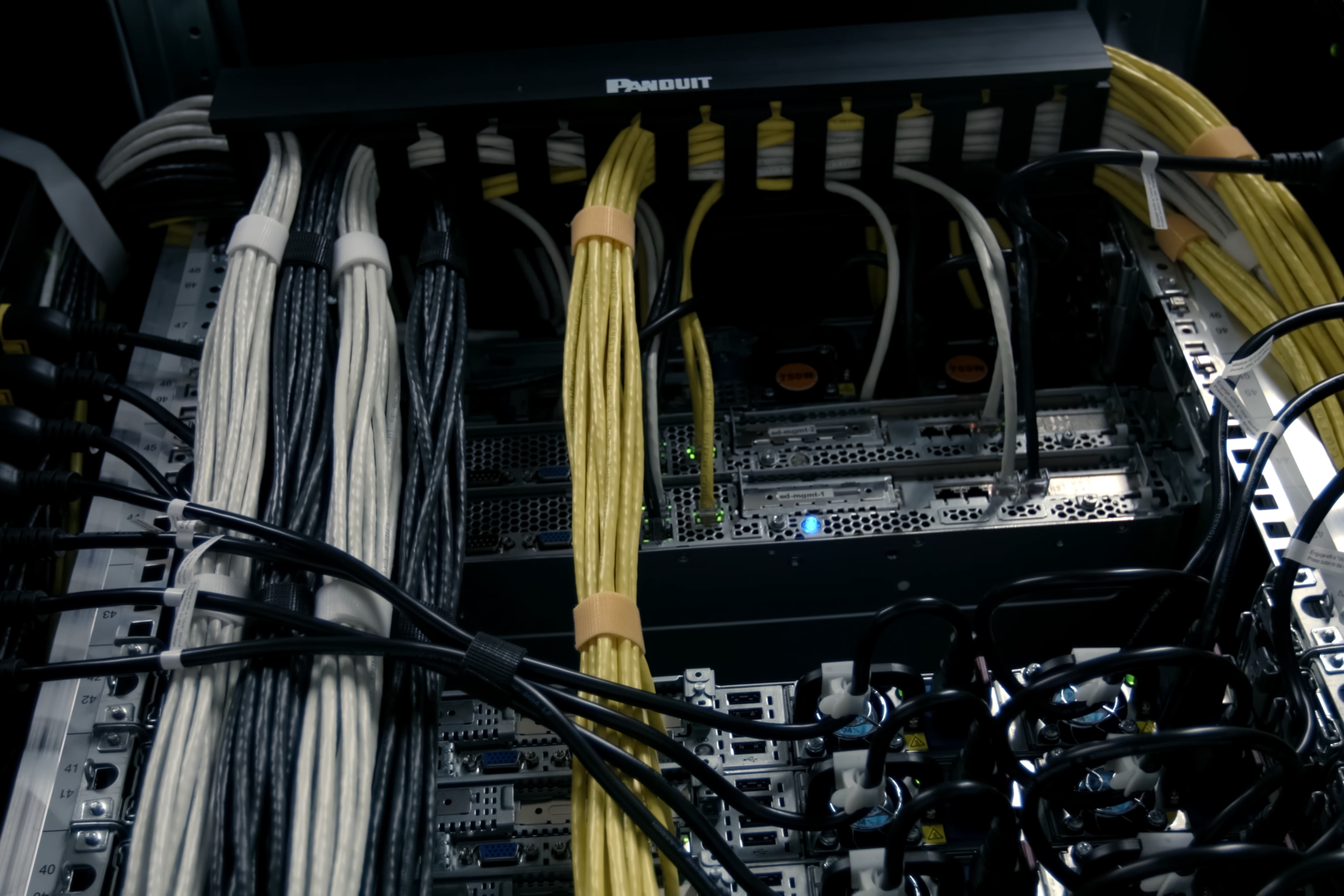
In any smart home, structured cabling is crucial for stability. It serves as the backbone of your system, handling everything from internet to entertainment. Without proper cabling, even the most advanced devices can falter. A well-planned cabling setup ensures that your system remains robust and adaptable. This means running cables where they won’t interfere with other systems, minimizing disruption. Proper cabling also allows you to expand your system over time without needing extensive rewiring. It’s about laying the groundwork for a stable and scalable home environment.
HVAC Integration for Comfort
Integrating HVAC systems into your smart home is not just about convenience; it’s about comfort and efficiency. By merging HVAC with your automation system, you gain precise control over your environment. Imagine a home that adjusts the temperature based on your schedule, ensuring comfort while saving energy. Proper integration requires a deep understanding of how these systems interact. It’s not just about connecting wires but ensuring that each component works harmoniously. This leads to a home that is not only smart but also comfortable and energy-efficient.
Future-Proof Smart Homes
Building a smart home that stands the test of time requires foresight and attention to detail. This section addresses how focusing on long-term performance and avoiding fleeting trends can lead to a home that continues to serve you well into the future.
Long-term Performance Focus
When planning a smart home, the focus should always be on long-term performance. It’s about creating a system that doesn’t just work well today but continues to do so for years. This requires making decisions based on tried-and-tested technologies rather than chasing the latest fads. A focus on long-term performance means considering how your needs might change and ensuring your home can adapt. This involves choosing systems that are flexible and easily upgradable. By planning for the future, you ensure that your smart home remains relevant and reliable.
Avoiding Trend-Based Pitfalls
Many smart home projects fall into the trap of following the latest trends. While these can be exciting, they often lead to complications and regrets. Trend-based systems can quickly become outdated, leaving you with technology that no longer meets your needs. Instead, focus on solutions that have proven their worth over time. It’s about selecting technologies that offer real value and reliability. By steering clear of fleeting trends, you protect your investment and ensure your smart home continues to perform as expected.
Precision in UAE Residential Projects
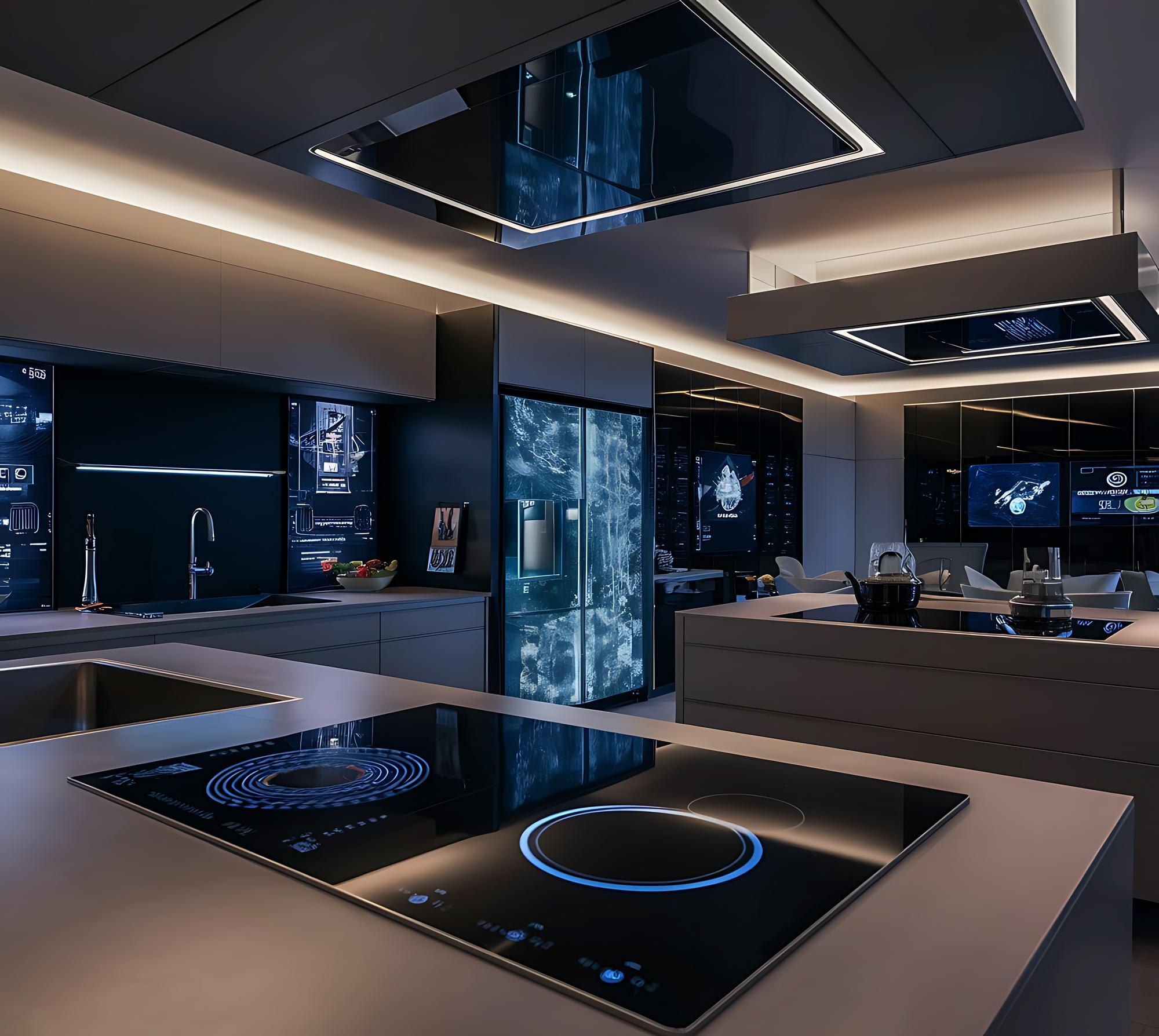
In the UAE’s high-end residential projects, precision and clarity are not just desirable; they are essential. This section delves into the role of engineering-led solutions and the importance of clear coordination in achieving successful outcomes.
The Role of Engineering-Led Solutions
In the complex environment of UAE residential projects, engineering-led solutions are crucial. These solutions prioritize technical accuracy over flashy gadgets. They involve careful planning and coordination to ensure every component works seamlessly. By focusing on engineering, you can avoid many common pitfalls. This means engaging experts who understand the intricacies of smart home systems. They bring the technical know-how needed to design systems that perform reliably. With engineering-led solutions, you gain a system tailored to your specific needs, offering peace of mind and long-term satisfaction.
Ensuring Clarity and Coordination
Clear coordination is vital in complex projects where many systems must work together. Without it, you risk conflicts and inefficiencies. Ensuring coordination means keeping everyone on the same page, from architects to installers. It’s about clear communication and documentation. By establishing strong coordination, you prevent misunderstandings and ensure that each system integrates smoothly. This results in a smart home that functions as a cohesive whole, providing the reliability and performance you expect. Remember, the longer you wait to address these coordination issues, the more challenging they become to resolve.
In conclusion, creating a future-proof smart home in the UAE involves more than just adding technology. It’s about engineering-driven design, focusing on reliability and long-term performance, and ensuring precise coordination. By taking these factors into account, you build a home that not only meets your needs today but continues to do so for years to come.
