
Documentation as Risk Control: Managing AV/ELV Coordination During Construction
AV coordination risks during construction often come from missing or incomplete documentation. When builder’s work drawings, interface control documents, and cable schedules lack detail or clarity, costly rework and system failures follow. You need disciplined, construction-ready ELV documentation to manage these risks and keep your project on track. This post explains how structured documentation prevents noise issues, HVAC conflicts, rack overheating, and grounding faults in Dubai luxury homes and Abu Dhabi villas.
The Importance of Documentation
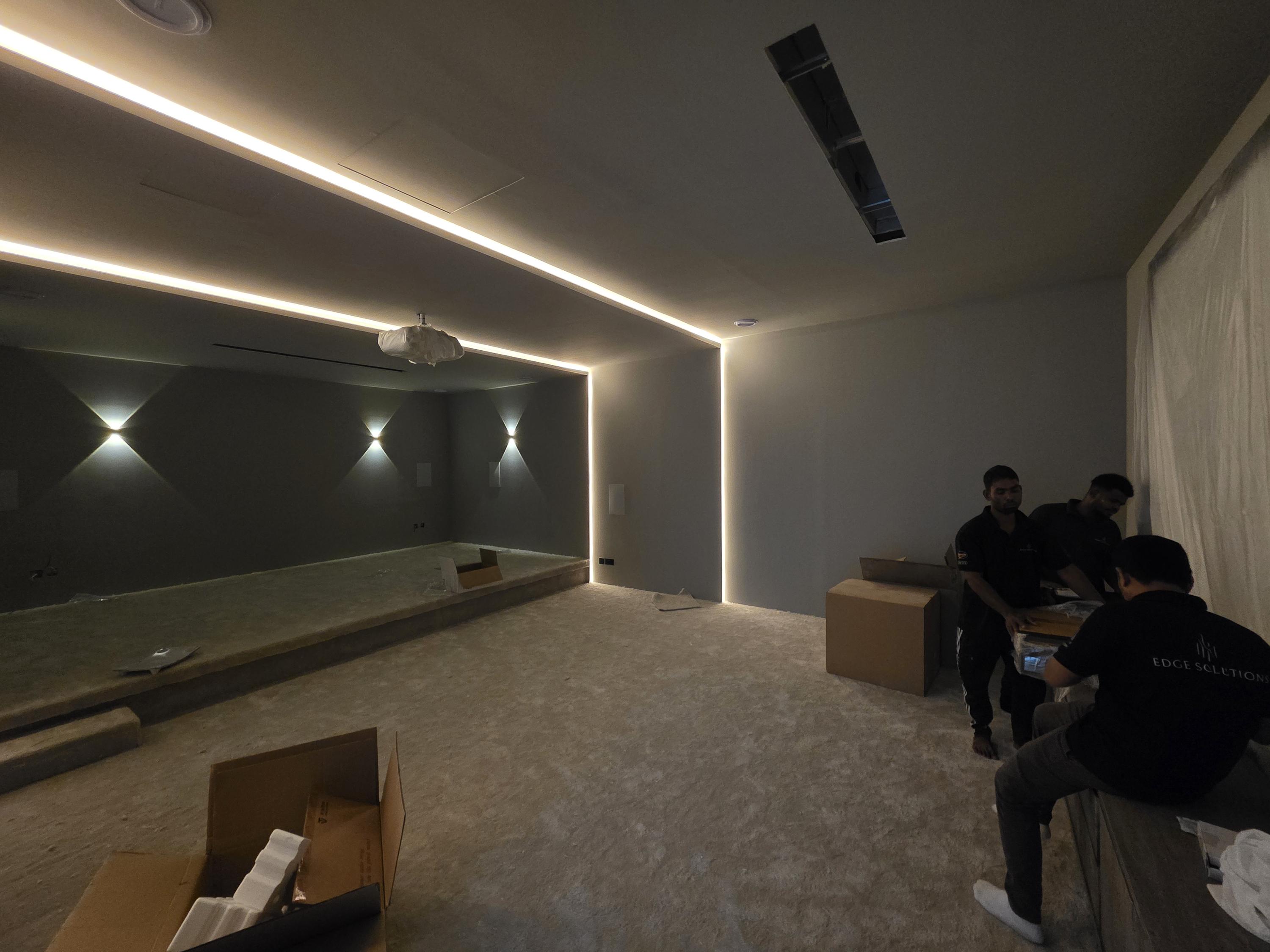
Managing complex AV installations requires precision. Documentation plays a crucial role in aligning all aspects of the project from start to finish.
Understanding AV Coordination Risks
AV coordination risks arise from gaps in planning and communication. When plans lack detail, errors occur. Inadequate documentation can lead to noise issues and equipment failures. For example, missing notes on HVAC interactions can cause overheating of AV racks. Without clear guidance, construction teams might miss key installation steps, leading to costly revisions later. By identifying potential pitfalls early, you can avoid these setbacks.
Role of ELV Documentation
ELV documentation serves as the backbone for successful AV integration. It provides detailed instructions on how low-voltage systems should be installed and connected. This ensures that all components work together effectively. A comprehensive ELV plan includes cable schedules and interface control documents (ICD), acting as a roadmap for installation teams. These documents reduce the chance of errors. With clear, structured guidance, you can ensure systems are installed correctly the first time, saving both time and money.
Framework for Risk Control
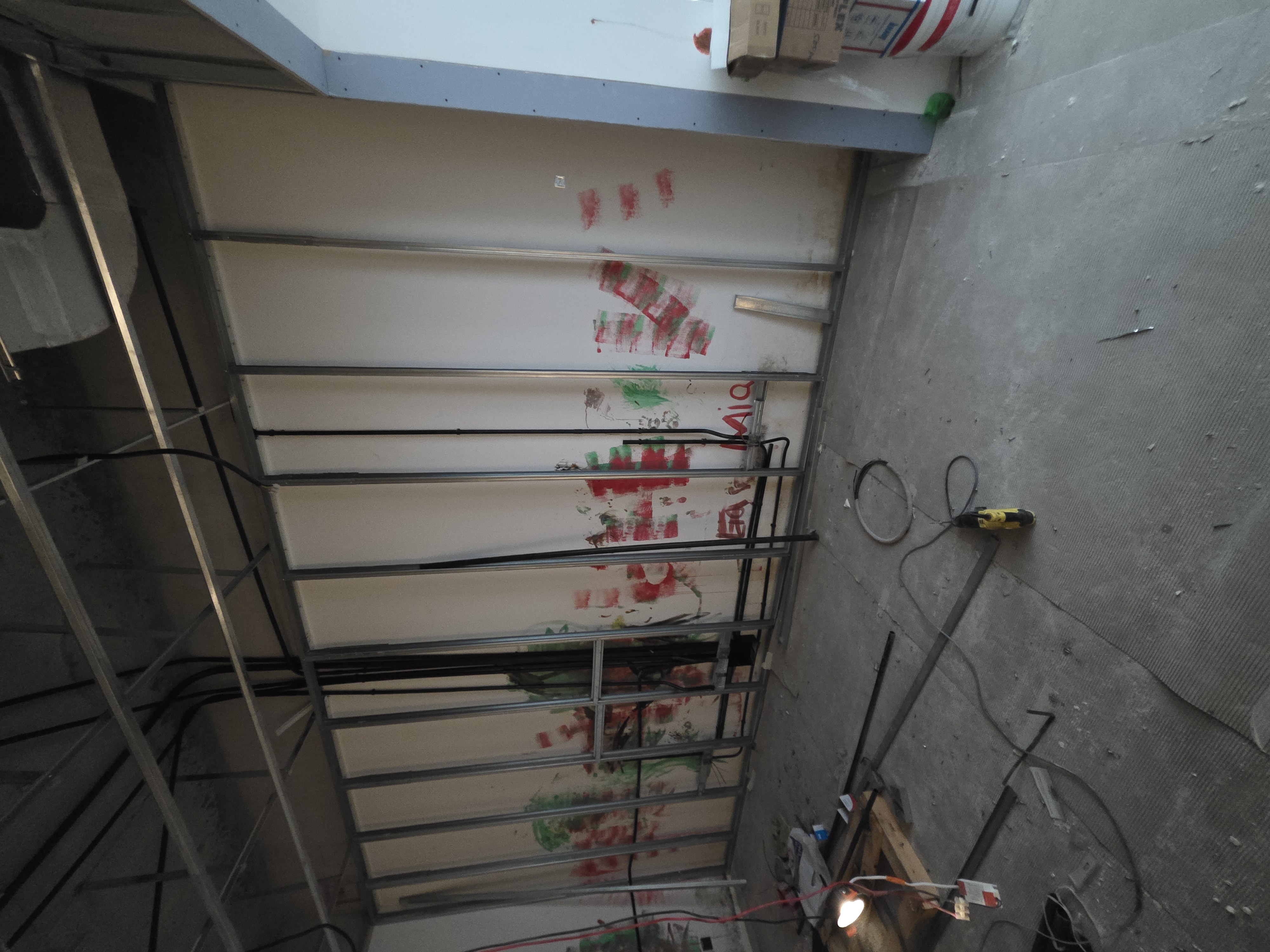
Comprehensive documentation is key to controlling risk. Each document type plays a specific role in ensuring project success.
Builder’s Work Drawings and ICD
Builder’s work drawings and ICDs are essential for coordinating construction and AV systems. These documents specify the exact requirements for building modifications, like conduit paths and wall openings. Without them, teams may guess at solutions, leading to mistakes. Properly detailed drawings prevent such missteps. They ensure that all necessary infrastructure is in place before AV components are installed. This foresight minimizes disruptions and keeps your project on schedule.
Cable and Device Schedules
Cable and device schedules are vital to maintaining order in complex installations. They list all necessary cables and devices, along with their specific roles within the system. A clear schedule prevents confusion and miscommunication. It ensures that each component is connected properly. By following these schedules, installers can avoid cross-wiring and technical errors that often result from a lack of planning. This attention to detail ensures that your AV system functions as intended.
Protecting System Performance
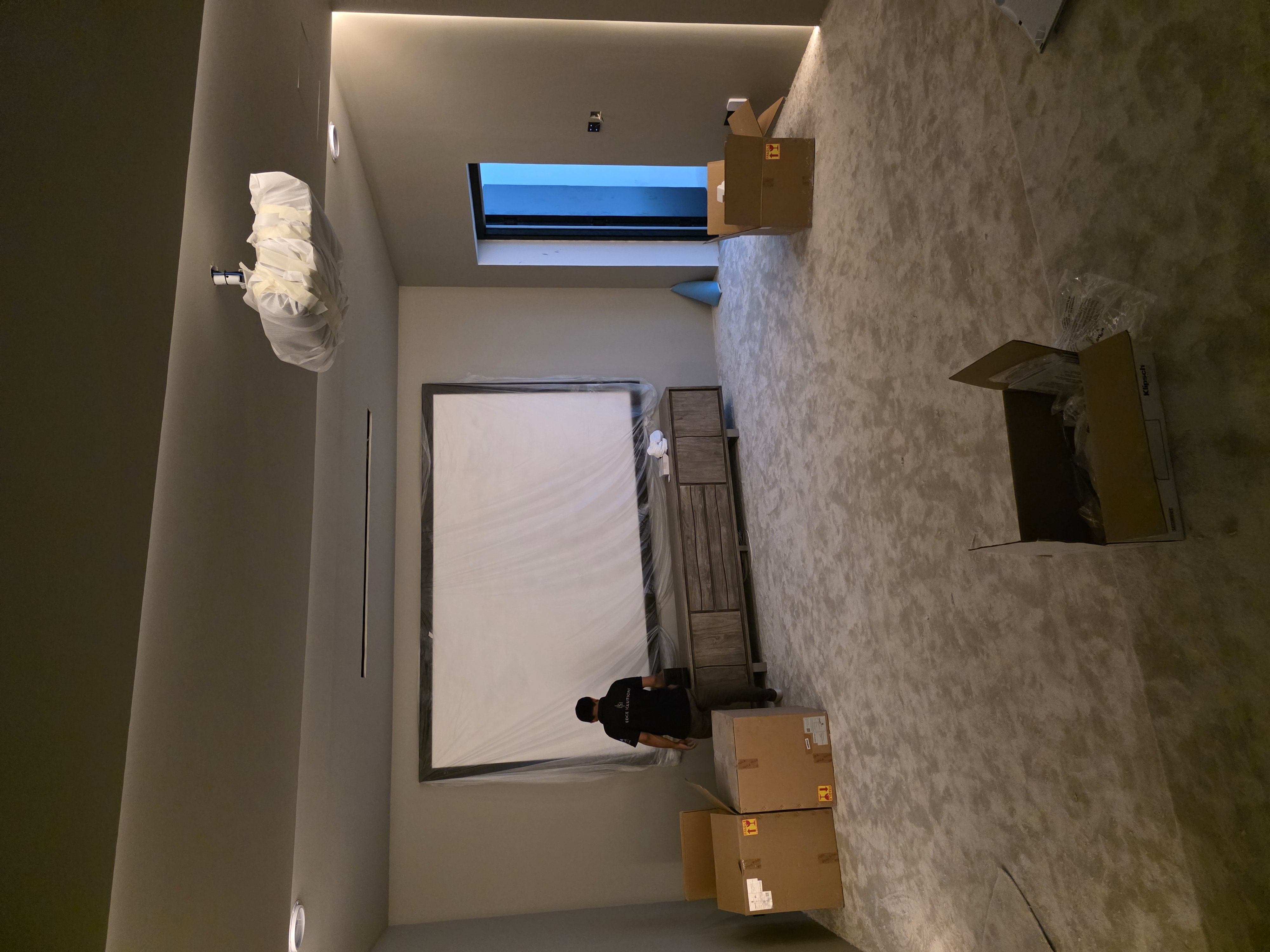
To safeguard system performance, it’s crucial to address potential issues proactively.
Rack Elevations and Heat Load Plans
Rack elevations and heat load plans are critical for maintaining optimal operation. They outline the physical setup of AV racks and predict thermal output. Without these plans, overheating and system failures become likely. By anticipating heat loads, you can design cooling solutions that prevent damage. This planning ensures that your equipment operates efficiently, extending its lifespan. Accurate rack elevations also simplify maintenance by clearly indicating the location of each component.
Power and Grounding Strategies
Proper power and grounding strategies are foundational to system reliability. Incorrect grounding can lead to electrical issues and equipment damage. Detailed power plans ensure that each component receives the correct voltage. They also outline grounding techniques to prevent electrical interference. By adhering to these strategies, you protect your investment from avoidable failures. Effective power planning guarantees that your system remains stable, providing consistent performance over time.
In high-value projects, disciplined documentation is not optional—it’s essential for success. By investing time and effort into creating detailed plans, you reduce the risk of costly mistakes and ensure long-term system stability.

