
Smart Home Maintenance Planning: Access and Future-Proofing Strategies for UAE Residences
Most smart home failures trace back to poor access and rushed planning during construction. If your equipment racks, cabling, or control systems lack clear service access, expect costly rework and degraded performance after handover. This post lays out a practical framework for smart home maintenance planning that protects your investment in Dubai and Abu Dhabi villas. You’ll learn how disciplined design and coordination reduce risk and keep systems reliable for years.
Strategic Smart Home Design
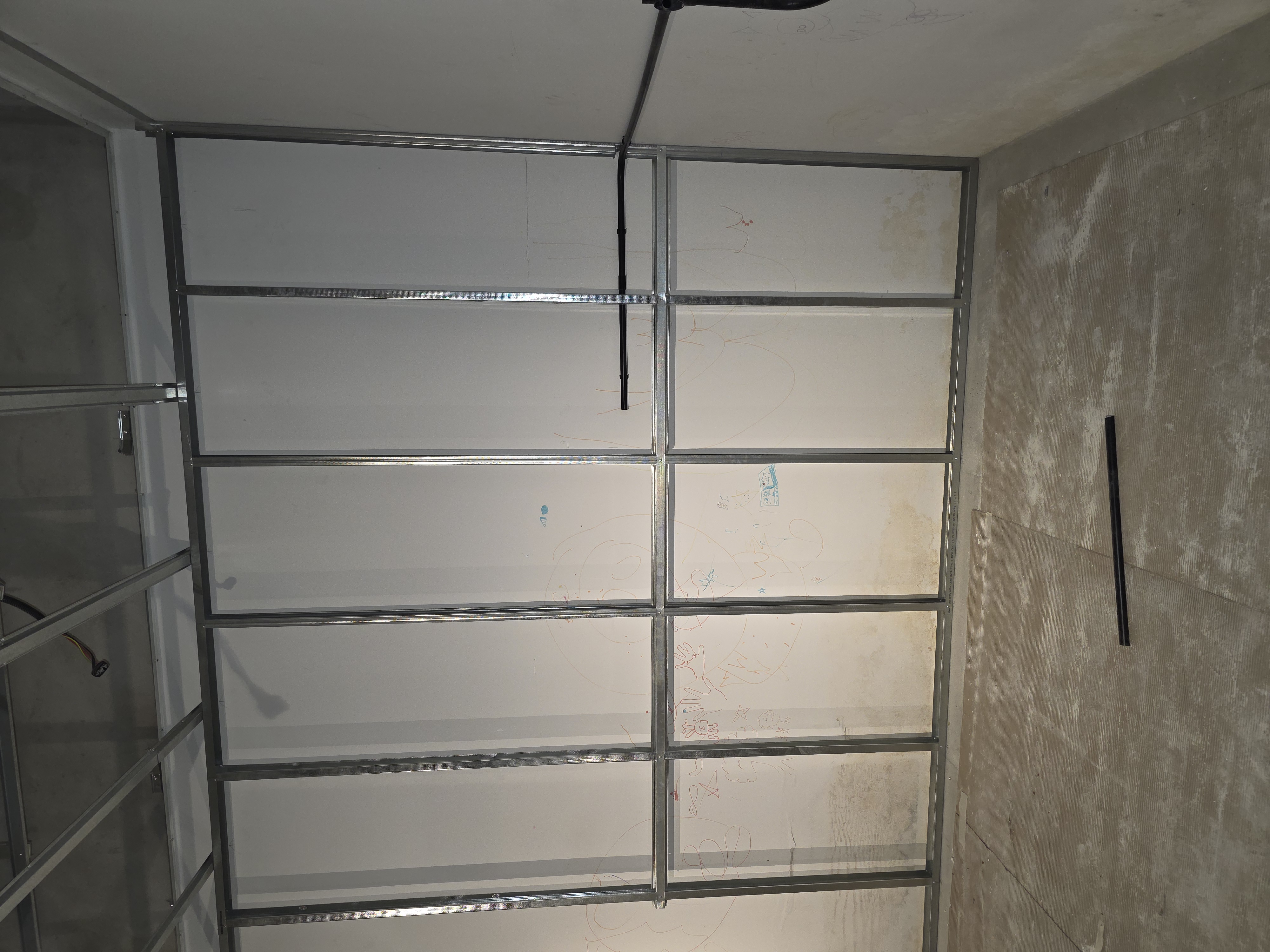
Designing a smart home is more than just picking the latest gadgets. It’s about creating an environment where technology works quietly and reliably. Let’s explore how an engineering-led framework ensures this.
Engineering-Led Framework Essentials
Every successful smart home begins with solid engineering principles. This means considering how each component interacts with others in the system. For example, proper grounding and power planning reduce noise and prevent future electrical issues. 1234 A well-designed system should be structured, avoiding the need for constant tweaks or fixes later. Proper planning saves money and frustration in the long run.
Early Coordination Benefits
Getting everyone on the same page early is key. Architects, MEP consultants, and AV specialists should collaborate from the start. This reduces conflicts, such as HVAC systems interfering with speaker placement. Early coordination helps identify and resolve design issues before construction begins, ensuring smooth project execution.
Long-Term Reliability Focus
Focusing on long-term reliability is crucial. This means prioritizing quality over quick fixes. Properly installed systems should offer peace of mind, knowing they will perform as intended for years. Consistent performance and low maintenance needs are the goals, achieved through disciplined engineering.
Access and Serviceability Strategies
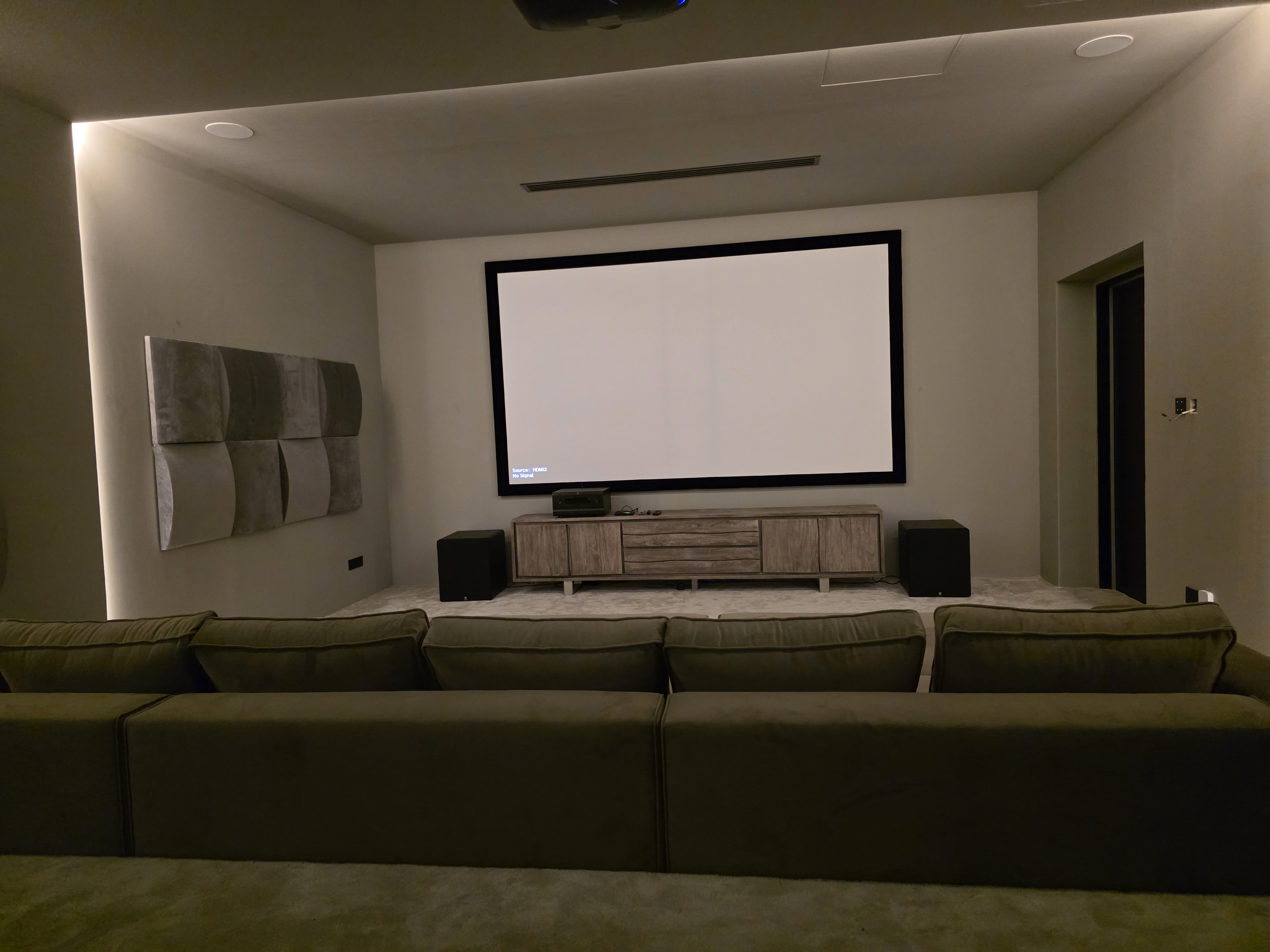
Having a smart home system that is easy to service and access is vital. Without it, routine maintenance becomes a daunting task.
Central Equipment Room Design
A central equipment room simplifies access. By consolidating equipment in one location, you reduce the need for multiple service points. This room should have ample space for ventilation and future upgrades. Proper rack ventilation and thermal management are essential to prevent overheating and prolong equipment life.
Importance of Structured Cabling
Structured cabling is the backbone of an efficient smart home. It ensures that all systems communicate effectively, reducing latency and errors. Using high-quality cables and planning their routes carefully prevents interference and signal loss. This approach guarantees that your home’s technology infrastructure remains robust and adaptable.
Device and Network Accessibility
Ensuring devices and networks are accessible for servicing is crucial. This involves strategic placement of access panels and ceiling hatches. These allow technicians to reach key components without dismantling entire sections of the home. Thoughtful design choices like these prevent unnecessary disruptions and costly repairs.
Future-Proofing and Upgrade Readiness
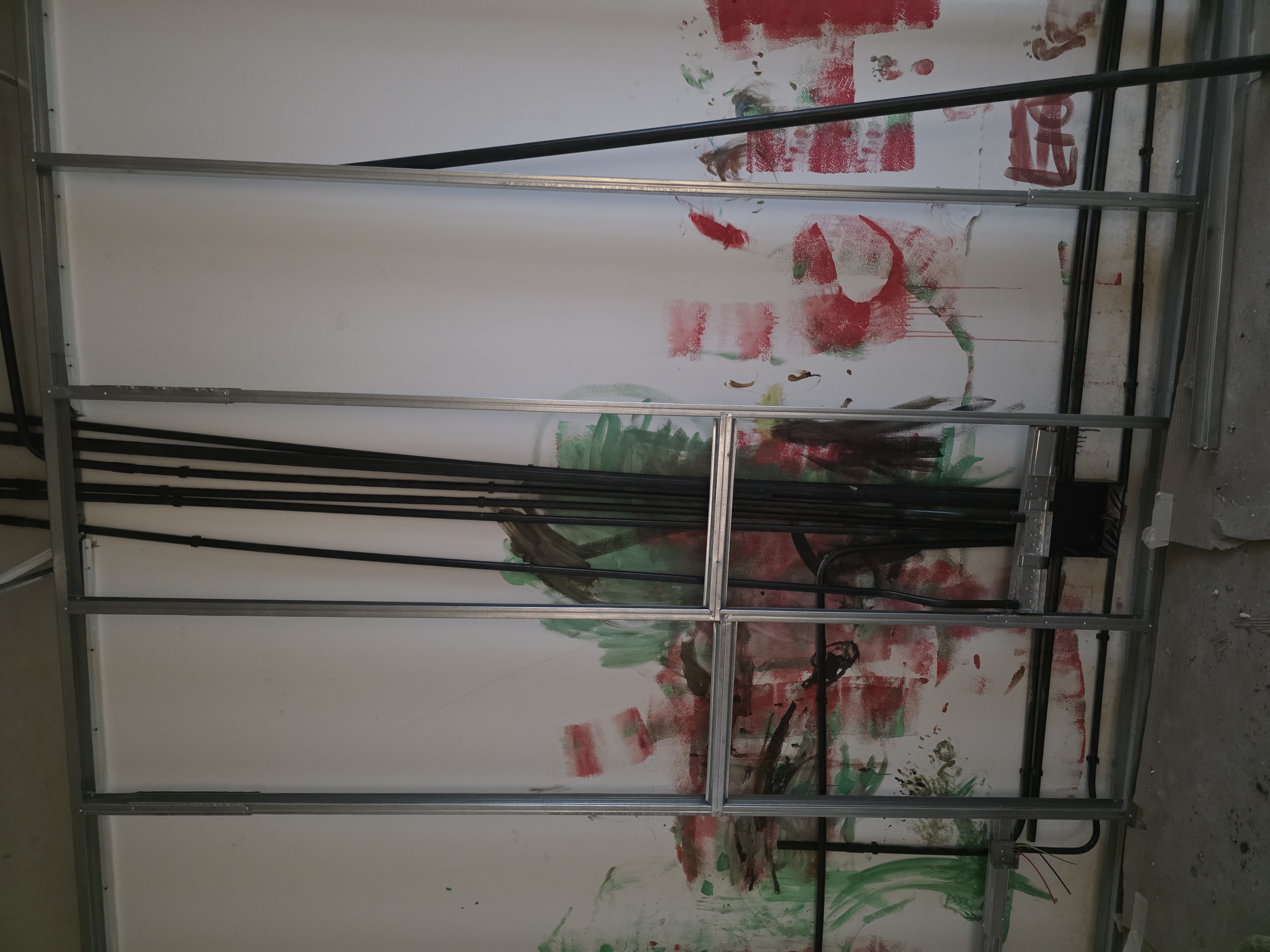
Future-proofing your smart home means being prepared for technological advances. Let’s discuss how to stay ahead.
Defined Upgrade Pathways
Having clear upgrade pathways ensures that your home can adapt to new technology. This means planning for additional service loops and spare conduits during installation. With a defined path, you can easily integrate new systems without starting from scratch. Planning upgrades in advance saves time and money.
Documentation and Labeling Standards
Proper documentation and labeling are non-negotiable. Every cable, device, and connection should be clearly labeled and documented. This practice simplifies troubleshooting and ensures that any technician can understand the system layout quickly. Good documentation prevents confusion and costly errors down the line.
Remote Monitoring and Diagnostics
Remote monitoring and diagnostics offer a proactive approach to maintenance. With these tools, you can identify and resolve issues before they become significant problems. This reduces downtime and enhances overall system reliability. Investing in remote capabilities means less worry and more control over your smart home.
In summary, planning your smart home with access and future-proofing in mind is essential. By following an engineering-led framework and prioritizing long-term reliability, you set the stage for a system that performs exactly as intended. This approach not only protects your investment but also ensures a seamless living experience.


