
Rigid Fixing in Cinema Risers: Technical Risks and How to Avoid Them
Rigidly fixing a cinema riser to the slab or walls might seem straightforward, but it introduces hidden risks that can undermine your entire home theater system. Structure-borne noise, bass leakage, and persistent rattles often trace back to these rigid connections. This post outlines how to avoid these pitfalls by designing floating risers with proper riser isolation, ventilation, and serviceability—ensuring your private cinema in the UAE delivers consistent, high-quality performance for years to come.
Technical Risks of Rigid Fixing
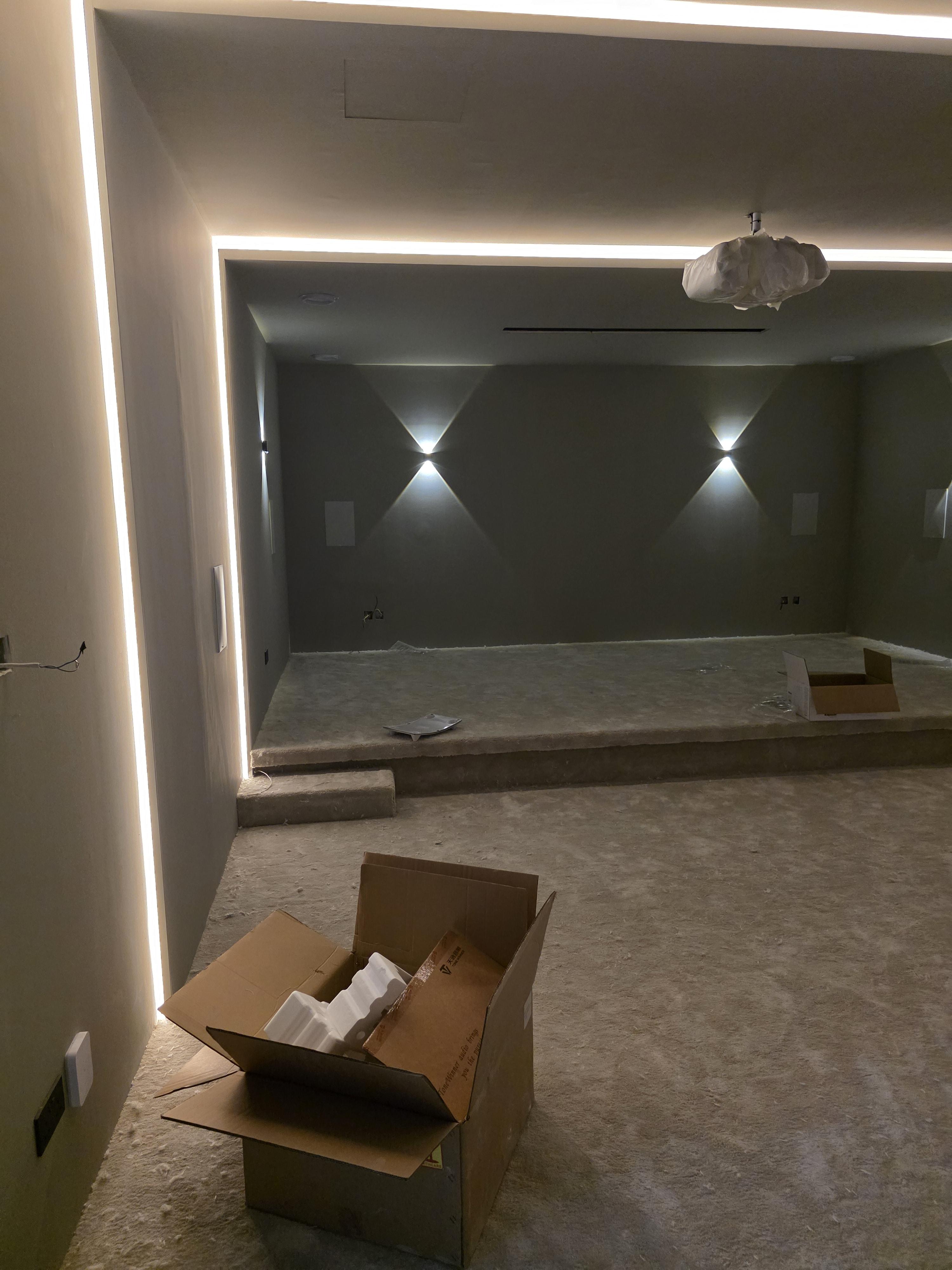
Understanding the risks associated with rigid fixing is crucial. These risks can lead to frustrating issues, impacting both performance and long-term maintenance of your cinema system.
Structure-Borne Noise and Vibration
Have you noticed unwanted sounds during a movie? This could be structure-borne noise. When cinema risers are rigidly fixed, mechanical vibrations travel through walls and floors. These vibrations create noise that disrupts your viewing experience. It’s not just about sound levels; it’s about quality. Low-frequency vibrations can cause walls and ceilings to resonate, creating an unpleasant audio environment. The solution? Consider isolating risers from the building structure. This reduces noise and ensures sound clarity.
Bass Leakage and Acoustic Impact
Bass is crucial in any cinema setup. Yet, rigidly fixed risers can lead to bass leakage. This means low-frequency sounds escape the intended area. The result? A muddled audio experience with bass sounds that are less impactful. Additionally, this leakage can disturb adjacent rooms. To prevent this, use acoustic barriers and decouple seating platforms. This keeps bass where it belongs—inside the cinema room, enhancing your viewing pleasure.
Long-Term Maintenance Challenges
Think long-term. Rigid fixing might seem sturdy now, but what about maintenance? Rigid connections often lead to wear and tear, making future repairs difficult and costly. Over time, these connections can loosen, causing rattles and vibrations that degrade your cinema experience. Regular maintenance becomes a necessity, adding to your expenses. Instead, opt for flexible connections. They allow for easier access and adjustments, ensuring your system remains in peak condition without frequent interventions.
Engineering Decoupled Cinema Risers
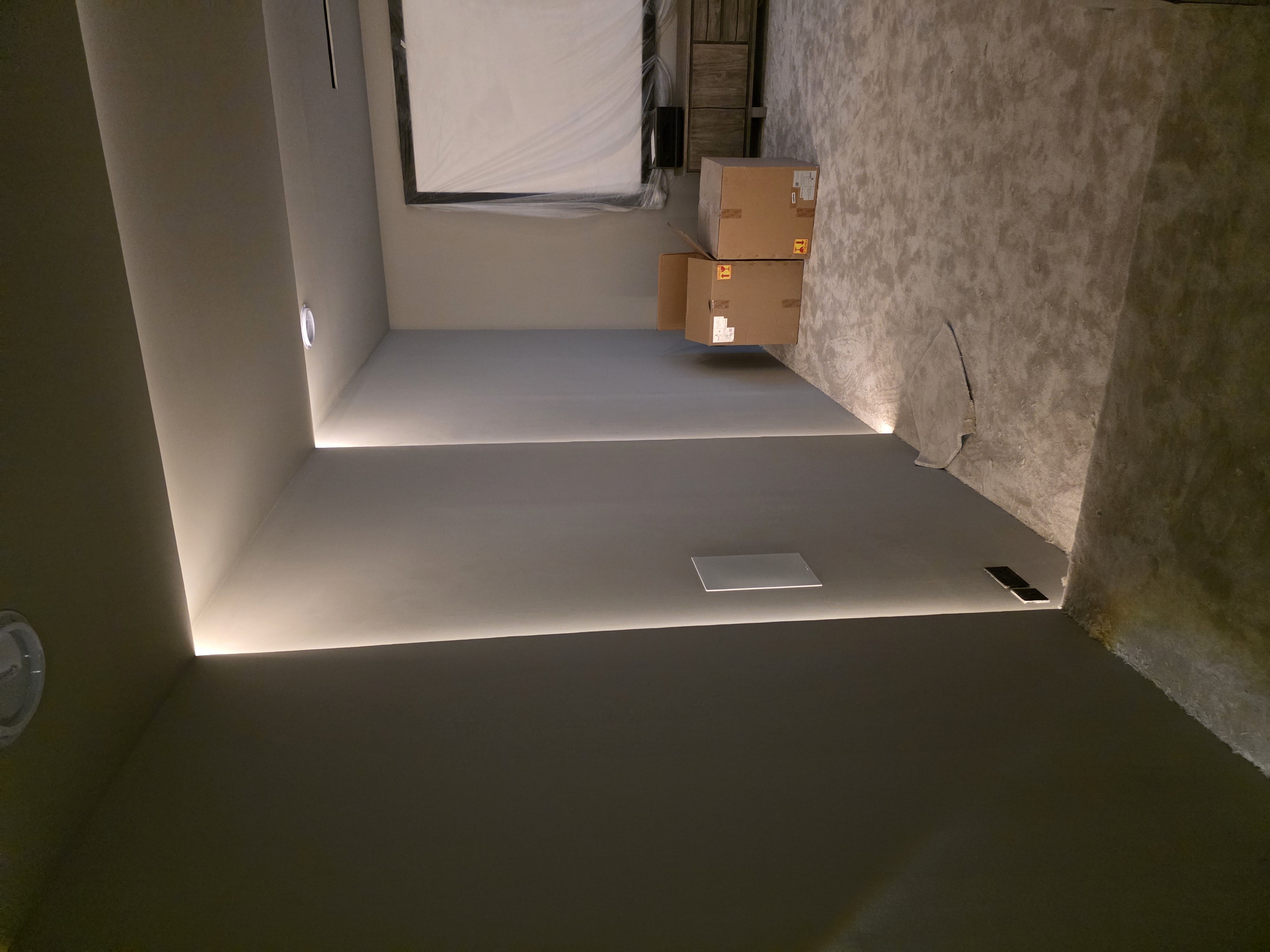
To avoid these issues, engineering decoupled cinema risers is key. Let’s explore how to construct risers that maintain quality and performance.
Floating Riser Construction Techniques
Designing a floating riser is an art. Start by selecting materials like neoprene or rubber. These materials absorb vibrations, keeping them from spreading. Next, focus on the structure itself. Ensure the riser is not directly attached to walls or floors. Elevate it slightly using resilient mounts. This creates a buffer zone, minimizing sound and vibration transmission. Lastly, consider the weight of the riser. A heavier riser helps dampen vibrations more effectively. These steps ensure an isolated and quiet cinema environment.
Ventilation and Thermal Relief Strategies
Ventilation is often overlooked. It’s vital for maintaining equipment longevity. An enclosed space can overheat, affecting performance. Design your riser with ventilation gaps to allow airflow. This prevents overheating and extends the life of your equipment. Thermal relief is another consideration. Use materials that dissipate heat efficiently. With proper planning, you can avoid equipment failures and achieve optimal performance.
Service Access and Maintenance Planning
Service access is often an afterthought, but it shouldn’t be. Plan for easy access to wiring and components. This simplifies maintenance and prevents costly repairs. Install removable panels on risers for quick access. Ensure all components are secure but easily reachable. By considering service access early, you can save time and resources in the future. This proactive approach ensures your cinema system remains reliable and efficient.
By understanding and addressing these technical risks, you can enjoy a high-performing cinema experience. Proper design and planning prevent common pitfalls, ensuring your system delivers exceptional entertainment for years to come.

