
Coordinating AV, MEP, and Interior Works in Premium Villas: A Practical Framework That Prevents Rework
In premium villas, AV, MEP, and interior works often clash when planned separately, leading to costly rework and performance issues. You need a clear method that defines ownership, reviews designs early, and verifies site conditions before ceilings close. This post lays out a practical framework for AV coordination UAE projects, showing how to prevent noise, heat, and access problems that can undermine your investment.
Aligning AV, MEP, and Interiors
When planning high-value residential projects, integrating AV, MEP, and interior elements requires precision. Let’s explore how defining clear roles and early reviews can make a difference.
Defining Clear Ownership
Knowing who is responsible for each component is crucial. When roles are clear, you avoid misunderstandings. Without this clarity, tasks can fall through the cracks, leading to costly delays. This is where establishing clear lines of responsibility becomes invaluable.
Imagine a situation where nobody knows who handles the wiring. Confusion can halt progress, but with clear ownership, each team knows their tasks. This prevents overlaps and streamlines the project. Clear responsibility isn’t just paperwork; it’s the backbone of project efficiency.
Importance of Early Design Review
Reviewing designs early can save you from future headaches. When you spot potential issues before construction, adjustments are simpler and less expensive. It’s like spotting a crack before it becomes a chasm, giving you a chance to fix it early.
In a complex villa, unaddressed conflicts can lead to rework. Early reviews allow for timely changes, ensuring compatibility between systems. This foresight saves both time and resources, keeping the project on track. Early intervention is your best defense against unforeseen challenges.
Impact of Poor Coordination
Failing to coordinate AV, MEP, and interiors can lead to significant problems. Poor coordination often results in noise issues, heat imbalances, and access difficulties, which can undermine your investment. Imagine an electrical system that overheats due to poor planning.
Such issues can affect not just comfort but also property value. Avoid these pitfalls by ensuring all systems work together from the start. By coordinating effectively, you not only prevent issues but also enhance the overall quality of the project. Coordination is not a luxury; it’s a necessity for lasting success.
Practical Coordination Framework
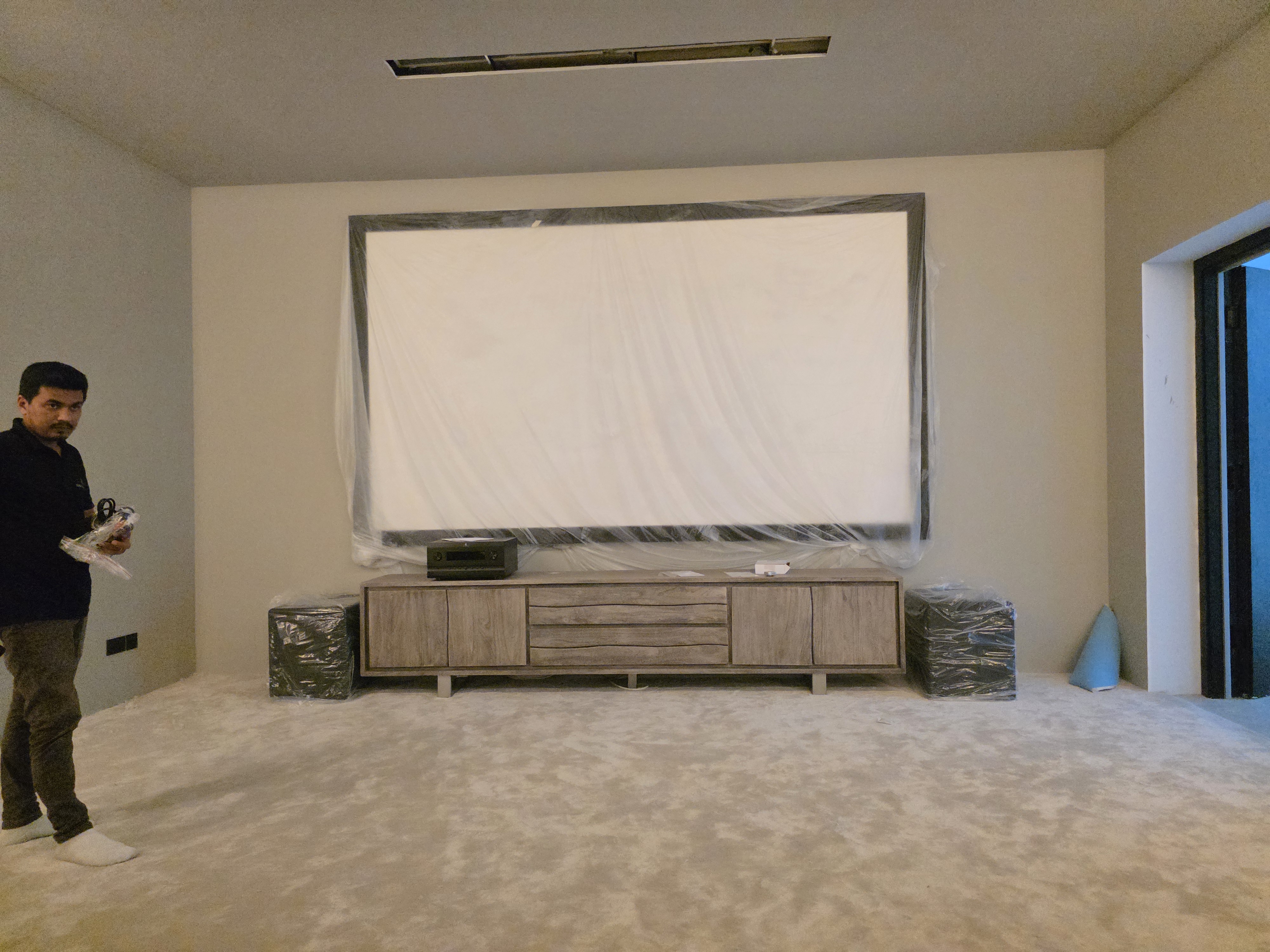
To achieve seamless integration, a structured framework is essential. Let’s delve into practical steps like using ownership matrices and careful rack room design.
Using Ownership Matrices
An ownership matrix clearly outlines responsibilities, ensuring everyone knows their part. This tool helps manage complex projects by assigning tasks to specific teams or individuals. It’s like having a map where everyone knows their path.
By defining ownership, you prevent overlaps and accountability gaps. This structured approach ensures tasks are completed on time and to specification. With an ownership matrix, you gain control over the project’s flow, leading to efficient execution.
Rack Room Design Considerations
Rack rooms are the heart of tech installations. A well-designed rack room optimizes space and ensures easy access for maintenance. This planning is crucial for system reliability and longevity.
Consider ventilation and heat dissipation within the rack room. Poor design can lead to overheating, which affects performance. By planning layout and airflow, you ensure systems run smoothly. A thoughtful design prevents future issues, saving time and resources.
Containment Routing Essentials
Containment routing is about organizing cables and conduits effectively. Proper routing prevents interference and simplifies future maintenance. Think of it as a roadmap for your wiring.
When routes are planned well, you reduce the risk of signal loss and maintain system integrity. This foresight avoids tangled cables and future complications. With clear routing, your systems operate efficiently, ensuring reliability over time.
Preventing Rework and Ensuring Reliability

To maintain a reliable system, proactive planning is key. Let’s discuss how power planning and site inspections prevent issues before they arise.
Power and Grounding Planning
Power and grounding plans are critical for system stability. Without proper grounding, you risk electrical faults. A well-thought-out plan ensures safe and reliable power delivery, protecting equipment and users.
Consider the unique requirements of each system, adjusting the plan accordingly. Proper grounding prevents electrical noise and enhances performance. This attention to detail safeguards your investment, ensuring systems function as intended.
HVAC Noise Control Strategies
Noise control is essential for a quiet, comfortable environment. Poor HVAC planning can lead to disruptive sounds. By addressing noise at the design stage, you prevent future disturbances.
Use sound-dampening materials and strategic placement to reduce noise. Effective planning eliminates unwanted sound paths, enhancing the living space. This approach not only improves comfort but also adds to the property’s value.
Conducting Site Inspections and Checks
Regular site inspections are crucial for identifying issues early. These checks ensure that installations match the design, preventing surprises later. It’s like catching a glitch before it becomes a major setback.
During inspections, verify that all elements are in place and functioning. This proactive approach catches potential problems, allowing for timely corrections. Inspections provide peace of mind, knowing your project is on the right track.
By following this framework, you can avoid common pitfalls in villa projects. With clear ownership, early reviews, and structured planning, you protect your investment and ensure long-term success.


