

Vibration Control Is a Design Decision, Not a Commissioning Fix
Vibration control is often treated as a last-minute fix during commissioning, but that approach risks costly delays and compromised performance. When structure-borne noise isn’t engineered into the design, late-stage adjustments struggle to meet noise and vibration criteria. You need clear isolation strategies locked in before slabs, risers, and ceilings are finalized to protect your investment and ensure systems like private cinema UAE setups perform quietly and reliably. This post explains why vibration control belongs at the design table—not the commissioning checklist.
Importance of Early Vibration Control

Considering vibration control early in a project can save time and prevent issues. It’s not just about avoiding headaches; it’s about ensuring that your investment performs as expected.
Technical Causes of Noise Issues
Noise problems often stem from how sound travels through a building’s structure. Issues like structure-borne noise occur when mechanical energy moves through floors and walls. If risers or frames are directly fixed to concrete without isolation, low-frequency energy travels easily, causing vibrations. Another culprit is the use of metal conduits in sensitive areas. Long metal runs can act as bridges for vibration, resulting in audible buzzing or rattling. Subwoofers placed directly on structural slabs can also transmit unwanted vibrations. Most people think these issues can be fixed with software, but that’s not true. They require mechanical solutions.
Coordination Touchpoints for Success
Successful vibration control demands early coordination among project teams. Architects, mechanical engineers, and electrical teams must work together. It’s crucial to plan conduit routing and ensure subwoofers are isolated correctly. By doing so, you prevent noise from becoming an issue later. Engaging all teams early ensures everyone understands the impact of their work on noise control. Missteps often occur when teams work in silos, thinking their part won’t affect overall performance. By making vibration control a priority, you set the stage for a smoother construction process.
Financial Risks of Late Fixes
Fixing vibration problems after construction is costly. Addressing these issues late can lead to rework, delays, and increased expenses. For example, if you have to reopen walls or floors to add isolation materials, the costs add up quickly. Not only do you face direct costs, but you also risk project delays. This can impact your overall budget and timeline, adding stress and frustration. By planning for vibration control early, you avoid these financial pitfalls and protect your investment.
Engineering Isolation Strategies

To achieve effective vibration control, it’s vital to develop solid engineering strategies. This ensures that noise and vibration criteria are met from the start.
Role of Architects and MEP Teams
Architects and MEP (Mechanical, Electrical, and Plumbing) teams play a critical role in vibration control. Architects must consider acoustic design and isolation materials early in the process. MEP teams should ensure that HVAC systems and conduits are planned to minimize noise paths. Together, they can identify potential issues and design solutions that prevent noise from becoming a problem. The longer you wait to integrate these considerations, the more likely it is that you’ll face challenges down the line. Collaboration is key to success.
Structural Coordination Essentials
Structural coordination is about ensuring that all elements work together to prevent noise issues. This involves careful planning of riser and conduit routing. Structural engineers must evaluate how different materials and connections impact sound transmission. By addressing these factors early, you reduce the risk of noise problems later. It’s not just about following guidelines; it’s about understanding how decisions impact the entire system. Proper coordination ensures that all parts of the project work together seamlessly, reducing the risk of unforeseen complications.
Pre-Finalization Actions and Checks
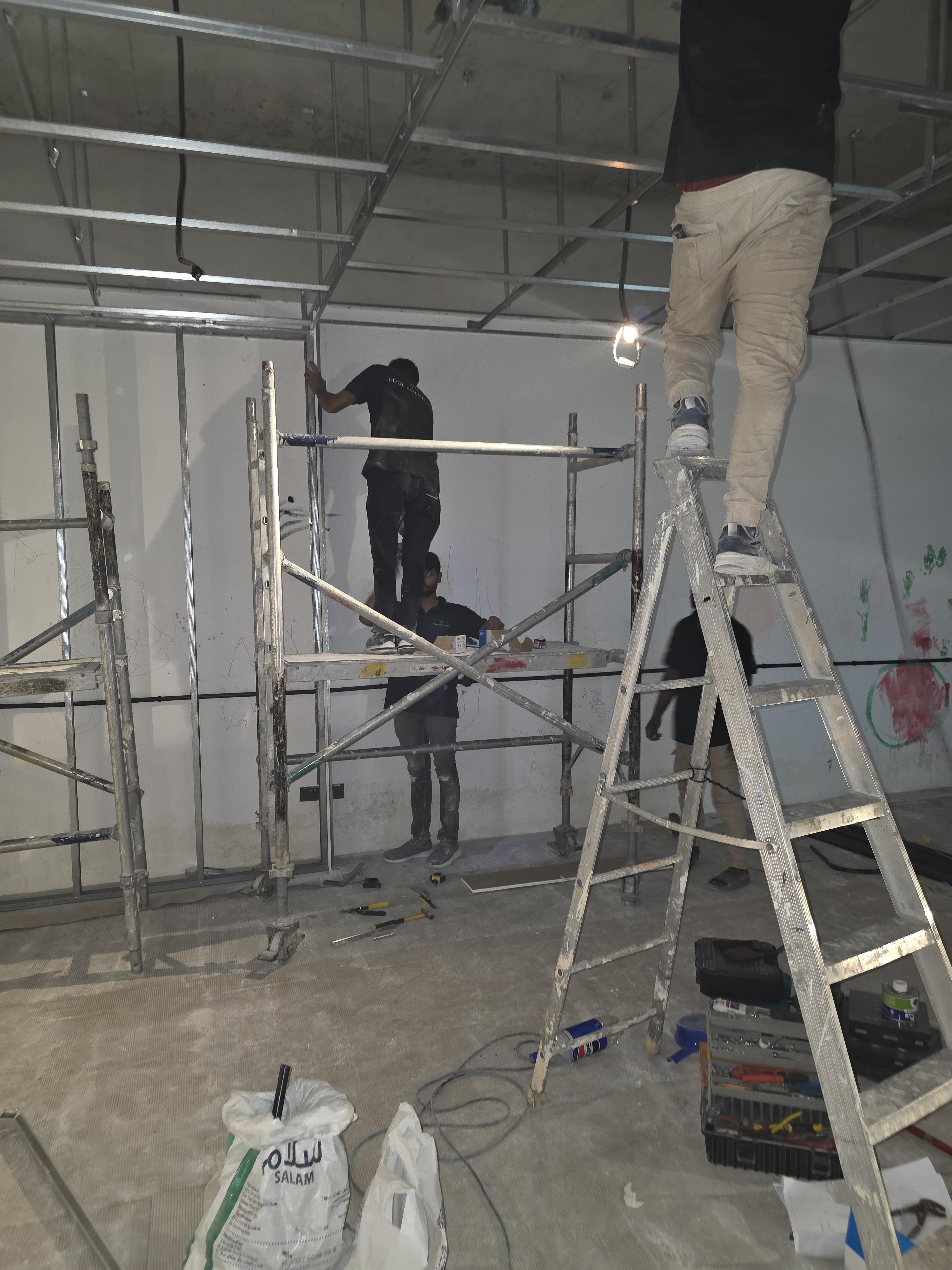
Before finalizing construction, it’s important to conduct thorough checks. This means verifying that all isolation materials are in place and that noise paths are minimized. Ensuring that elements like subwoofers and conduits are properly isolated can prevent future issues. These checks are not just a formality; they are an essential step in protecting your investment. By taking action before closing walls or ceilings, you ensure that everything is as it should be, setting the stage for a successful project outcome.
Long-term Benefits of Design-Stage Planning
Planning for vibration control during the design stage offers lasting benefits. It’s about ensuring performance and value for years to come.
Protecting Audio Performance and Comfort
When you address vibration control early, you protect audio performance and comfort. This is particularly important in settings like private cinemas, where sound quality is critical. By ensuring that your environment is free from unwanted noise, you create a space where audio systems can perform at their best. This attention to detail not only enhances the experience but also ensures long-term satisfaction.
Ensuring Property Value and Reliability
Proper vibration control also protects your property’s value. When noise issues are addressed from the start, you reduce the risk of damage or disruption later. This means your property remains a reliable investment, free from costly repairs. Buyers and tenants alike value properties that offer a quiet, comfortable environment. By planning for vibration control early, you protect your investment for the long term.
Setting Noise and Vibration Criteria
Finally, setting clear noise and vibration criteria from the start is essential. By defining these standards early, you ensure that everyone involved understands the goals and expectations. This clarity helps prevent misunderstandings and ensures that the project stays on track. By establishing these criteria, you set the stage for a successful project that meets both your needs and industry standards.


