

HVAC coordination for quiet residential AV systems in UAE villas
Poor HVAC coordination remains a leading cause of noise and vibration problems in private cinemas and smart homes within UAE villas. When HVAC and AV systems are planned separately, the result is often frustrating interference that undermines long-term comfort and system reliability. This post explains how early HVAC coordination, guided by proven acoustic and mechanical principles, ensures quiet AV system operation while protecting your investment.
Importance of Early HVAC–AV Coordination
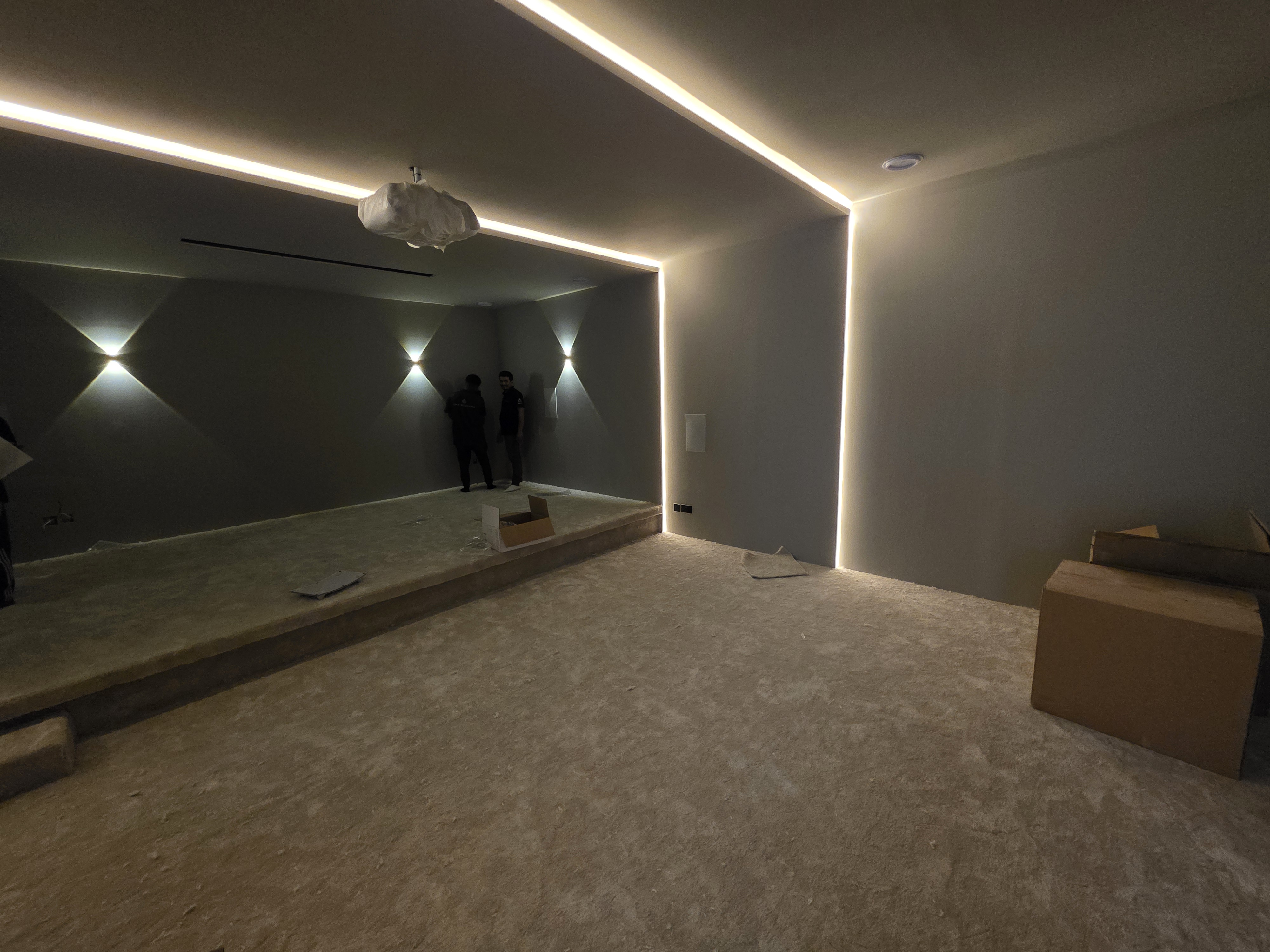
Starting with a proactive approach to HVAC and AV coordination prevents common pitfalls. By addressing potential issues early, you protect your investment and ensure system longevity.
Preventing Noise and Vibration Issues
Noise and vibration in your villa can disrupt the serene environment you desire. To prevent this, it’s vital to plan the HVAC and AV systems together. This coordination ensures that mechanical vibrations from HVAC components do not interfere with the enjoyment of your entertainment systems. Consider a scenario where HVAC ducts run too close to AV equipment: sound can transmit through these ducts, creating unwanted noise. This is why the placement of ducts and equipment must be carefully planned. Using flexible connectors and spring hangers can also help minimize vibration transmission, preserving the quiet ambiance of your home.
Managing Heat for System Performance
Heat management is crucial for ensuring the performance of your AV systems. High temperatures can damage sensitive equipment, leading to costly repairs or replacements. By integrating HVAC systems that manage heat effectively, you can maintain optimal conditions for your AV equipment. A common oversight is not accounting for the heat generated by AV equipment. Projector hush boxes and equipment rack cooling solutions are effective ways to manage this heat. Keep in mind that heat management is not just about preserving equipment; it also contributes to the overall comfort in your living space.
Best Practices for Quiet AV Systems

To achieve quiet AV systems, certain practices must be in place. These involve setting specific noise criteria and using acoustic treatments to maintain a peaceful environment.
Setting Noise Criteria and NC 20 Goals
Establishing clear noise criteria is a foundational step. For many luxury villas, the goal is to achieve a noise criterion (NC) level of 20 or lower. This ensures that ambient noise from HVAC systems is barely audible. Achieving this requires strategic planning: determine where noise might intrude and address it early. In practice, this means selecting equipment and materials that support your noise goals. Think of it like setting the stage for a performance. You wouldn’t want background noise to disrupt a quiet movie scene, would you? By setting these goals upfront, you align every decision with your desired outcome.
Implementing Acoustic Duct Lining and Silencers
Acoustic treatments, such as duct lining and silencers, play a significant role in noise control. These elements absorb sound and reduce noise transmission through HVAC ducts. An example is the use of acoustic duct lining, which can reduce noise levels significantly by absorbing sound waves within the ducts. This approach not only reduces noise but also enhances the clarity of sound from your AV systems. When you listen to a movie or music, you’ll notice the difference—sound is crisp and clear without the hum of HVAC systems in the background.
Practical Steps for Reliable Operation

Achieving reliable operation requires thoughtful planning and design. These steps help ensure that your systems remain functional and efficient over time.
Planning AHU Placement and Vibration Isolation
The placement of air handling units (AHUs) is critical for minimizing vibration. Poor placement can lead to vibrations affecting the entire structure, thereby impacting AV systems. To prevent this, strategically position AHUs away from sensitive areas and employ vibration isolation techniques. Use materials like neoprene or rubber to isolate units from the building structure. Consider the example of a cinema room: if an AHU is too close, vibrations can travel through walls, affecting sound clarity. By planning carefully, you ensure these systems operate quietly and efficiently.
Designing Low-Velocity Ducts and Return Air Paths
Low-velocity ducts are essential for quiet operation. They reduce air turbulence, which can create noise. Aim for duct velocities that keep noise levels low, integrating them with return air paths that direct air smoothly and quietly. This approach not only minimizes noise but also improves system efficiency. Imagine a peaceful home cinema where the air flows gently, unnoticed by those enjoying a film. This is achievable with well-designed ducts and air paths. The longer you wait to address these aspects, the more likely you are to encounter noise issues that disrupt your enjoyment.
In conclusion, by coordinating HVAC and AV systems early, setting clear noise criteria, and implementing effective acoustic measures, you can create a home environment that is both comfortable and technologically sophisticated. This strategic approach not only enhances your living experience but also protects your investment for years to come.
Read more about our approach to engineering-led residential systems.


