
HVAC Coordination in Smart Homes: Engineering Practices for Quiet, Reliable Performance
HVAC coordination in smart homes often falls short in UAE villas, causing noise, vibration, and heat issues that lead to costly rework. Many projects overlook how HVAC interacts with AV and ELV systems until it’s too late. This post outlines engineering practices that prevent these problems, ensuring quiet, reliable performance designed to last beyond handover.
Engineering-Led HVAC Coordination
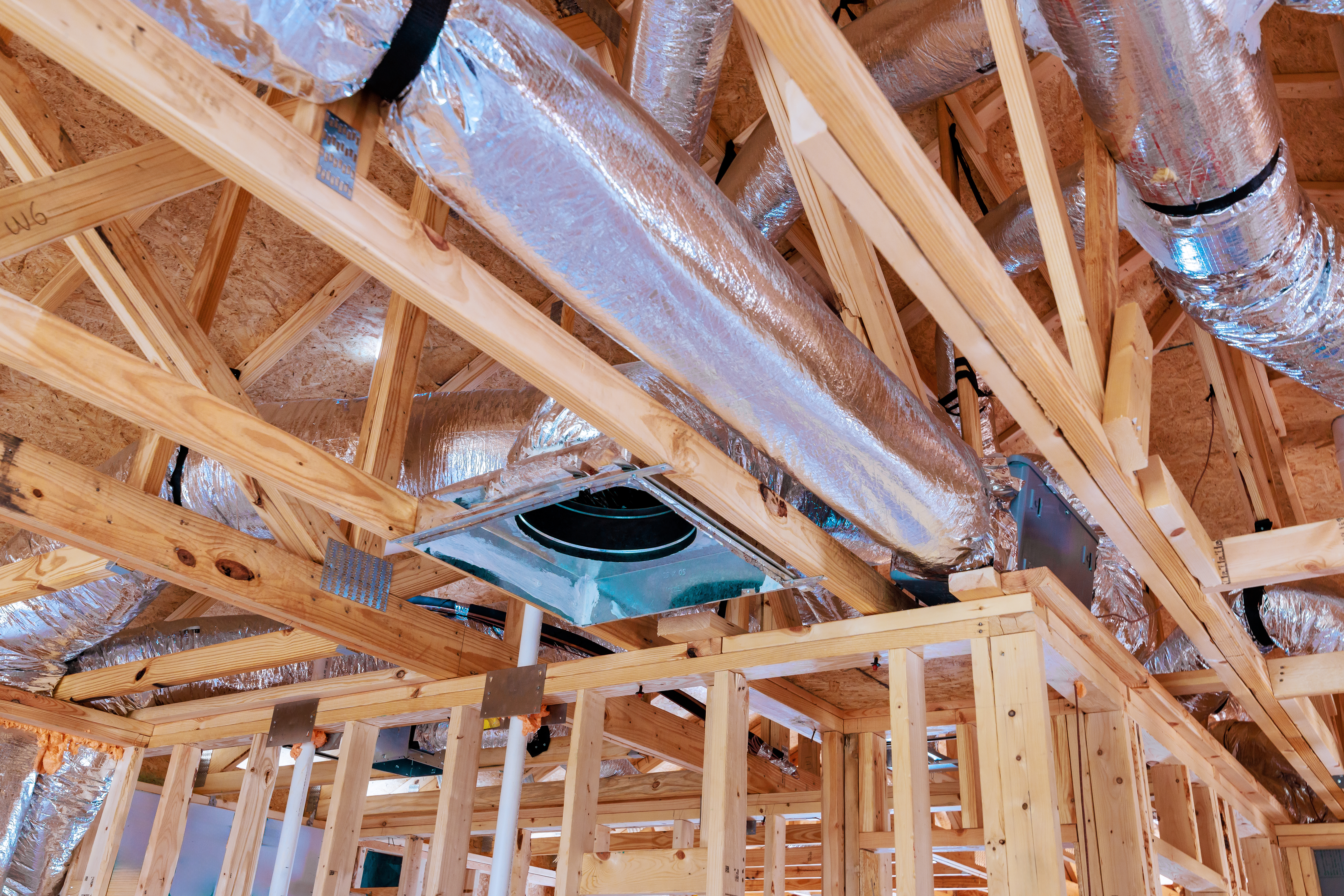
Managing HVAC systems in smart homes involves more than just installation. It’s about creating a quiet and reliable environment. Proper planning can prevent the common pitfalls that lead to noise and vibration issues.
Smart Home HVAC Challenges
In UAE villas, integrating HVAC with AV and ELV systems often presents challenges. Many projects only address these interactions when issues arise. Early coordination ensures all systems work together smoothly. For instance, common problems like system interference and excessive noise can be avoided by planning the placement of ducts away from sensitive audio equipment.
Noise and Vibration Control
Noise and vibration are major concerns in luxury homes. Addressing these early can save time and money. Using materials like neoprene or rubber mounts can isolate vibrations, keeping the environment serene. Additionally, soft duct liners and silencers can reduce airflow noise, ensuring a peaceful home.
Best Practices for Residential MEP Coordination
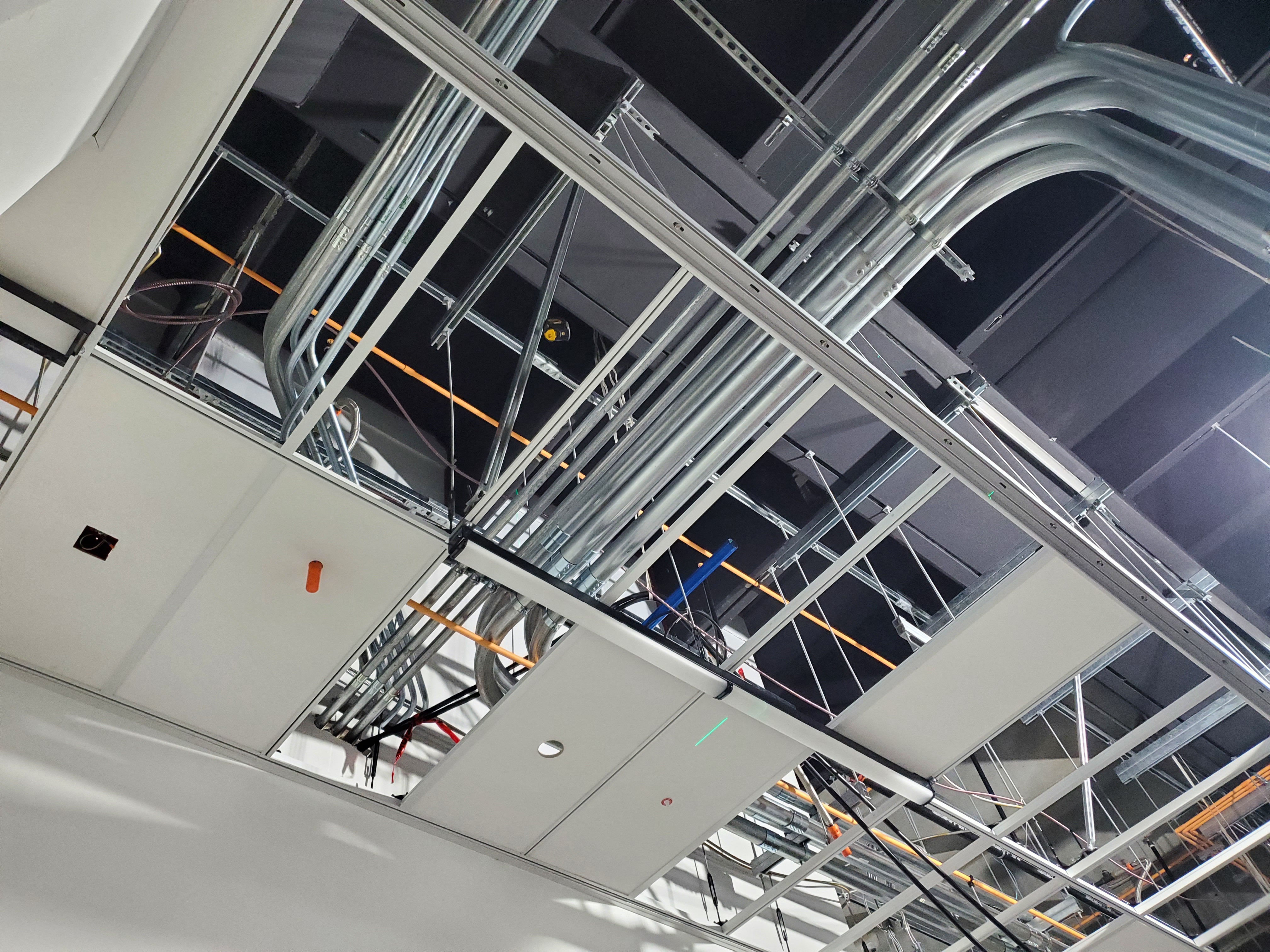
Effective MEP coordination is crucial for smart home success. It minimizes conflicts and enhances system performance. Let’s explore the key techniques that make a difference.
Acoustic Attenuation Techniques
Reducing sound transmission is vital. Start by using acoustic barriers between rooms. These barriers stop sound from traveling through walls. Another technique is adding absorptive materials in ceilings and walls. This minimizes echoes and keeps sound contained within designated areas. Implementing these methods ensures that equipment doesn’t disturb the home’s tranquility.
Power and Grounding Planning
Reliable power supply and proper grounding prevent system failures. Establish separate circuits for audio-visual equipment. This avoids overloads and interference. Also, ensure that all systems are properly grounded. This reduces the risk of electrical noise, which can disrupt sensitive equipment. Proper planning in this area enhances long-term system reliability.
Avoiding Common HVAC Pitfalls

Identifying potential HVAC issues early can prevent costly rework. Consider equipment placement and system integration to maintain efficiency and performance.
Equipment Rack Ventilation
Proper ventilation of equipment racks is essential. Inadequate airflow can lead to overheating. Use vented doors and fans to maintain optimal temperatures. This keeps equipment functioning efficiently. Remember, a well-ventilated rack prolongs the life of your devices, preventing unexpected shutdowns.
Control System Integration
Integrating control systems with HVAC requires precision. Ensure that all components are compatible and communicate effectively. This avoids delays and malfunctions. Testing the integration before finalizing installation can highlight issues early. Proper control system planning contributes to a seamlessly managed smart home environment.
With the right engineering practices, HVAC integration in smart homes can be smooth and efficient. By focusing on noise control, system coordination, and careful planning, you can ensure a quiet and reliable home environment. The key is to address potential issues before they become problems, saving both time and resources in the long run.


