

Before the Gypsum Closes: Documenting Concealed AV/ELV Works to Prevent Rework
Most AV and ELV issues surface only after gypsum closure, when access is costly and disruptive. Skipping thorough pre-closure documentation leaves you exposed to costly rework, delayed commissioning, and uncertain system reliability. This post outlines a practical checklist to capture essential as-built documentation before gypsum closure, securing your residential AV infrastructure and protecting your investment.
Importance of Pre-Closure Documentation
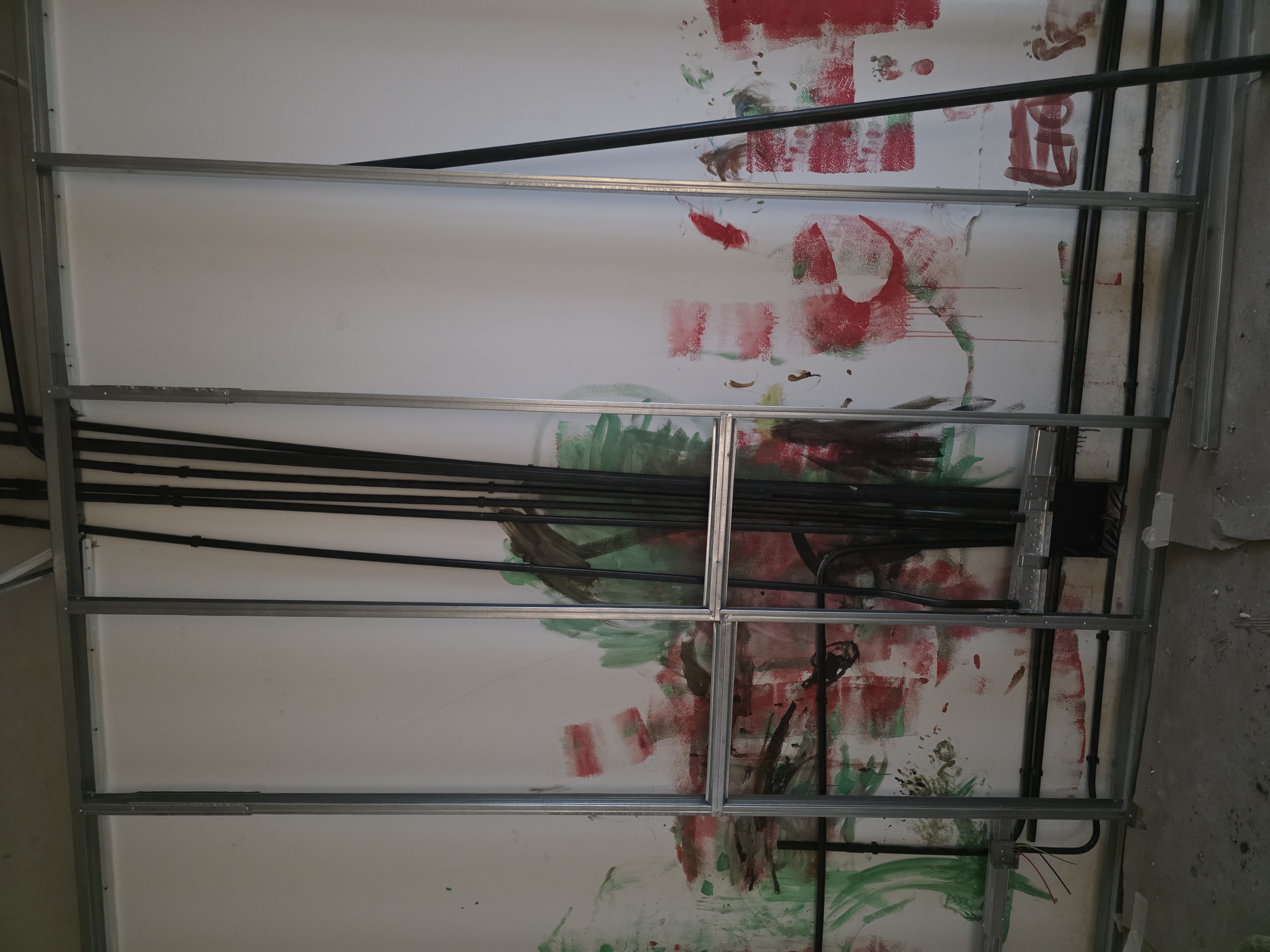
When you close up walls and ceilings, the unseen becomes a potential risk. Documenting your AV and ELV systems before this step is crucial. It saves you from expensive fixes and ensures everything works as it should.
Preventing Costly Rework
Imagine completing your project only to find out something’s not right. Fixing it could mean tearing things apart. Pre-closure documentation helps you avoid this. By capturing details beforehand, you can prevent future headaches. Think of it as a roadmap. This roadmap shows where everything is and how it works. When you know exactly what’s behind those walls, there are no surprises later. You’ll save time and money by getting it right the first time.
Ensuring System Reliability
A reliable system is essential for peace of mind. Documentation plays a big role here. By knowing every cable and connection, you ensure everything functions smoothly. It’s like a safety net. You catch issues before they become problems. This means fewer interruptions and more consistent performance. Ultimately, a well-documented system is a reliable one, providing you with the confidence that it will perform as intended.
Engineering-Led Documentation Framework
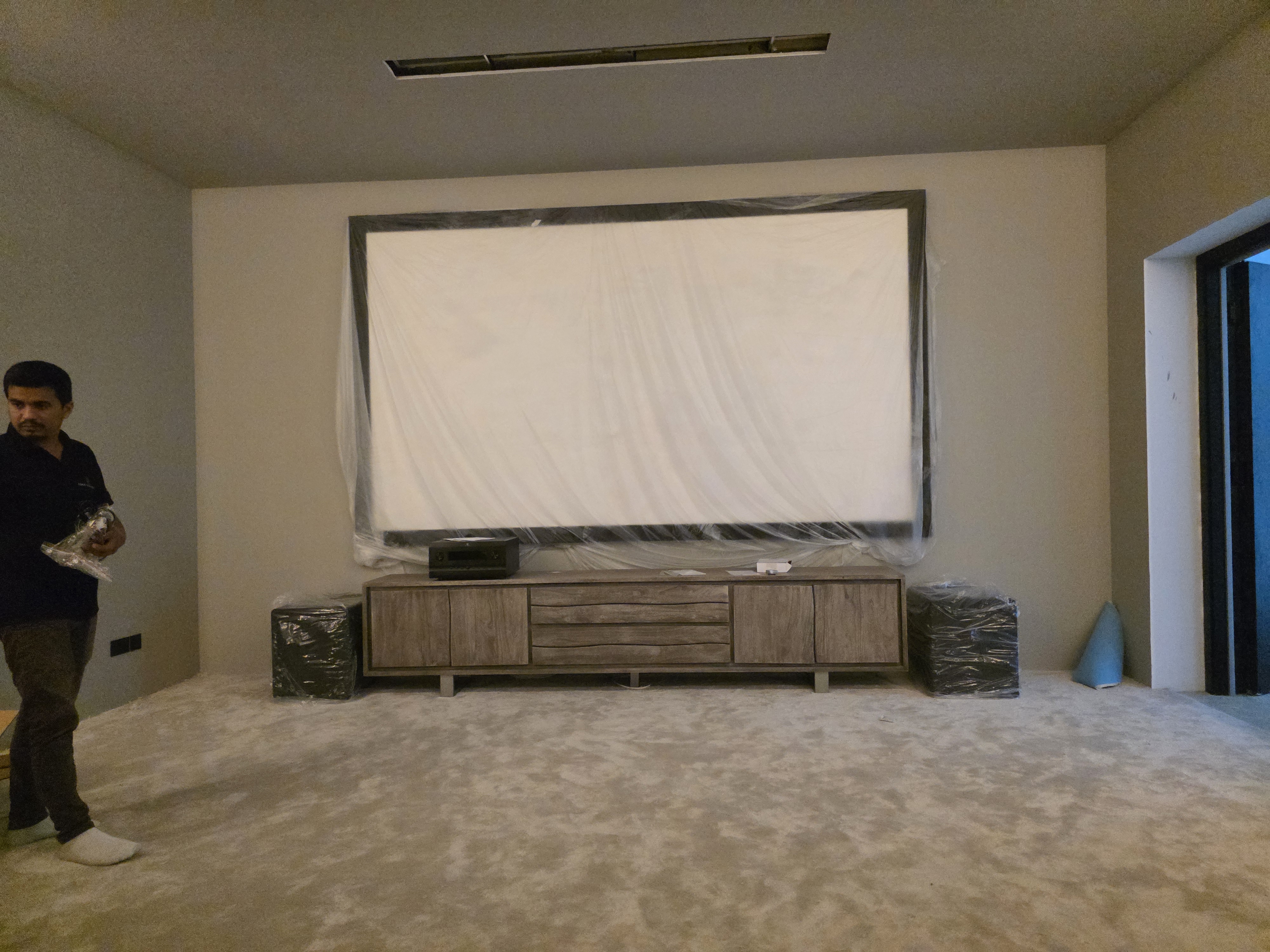
A solid framework is key to effective documentation. It guides you through the process, making sure nothing is missed. Let’s explore how this works.
Comprehensive Checklist Approach
A checklist is your best friend in this process. It covers all bases, leaving no stone unturned. Start by listing every component: cables, devices, and connections. Each item needs verification. This systematic approach ensures everything is accounted for. It minimizes errors and omissions. By following a checklist, you create a clear picture of your system. This clarity is your shield against future issues.
Key Deliverables and Their Benefits
Documenting isn’t just about ticking boxes. It’s about delivering value. The key deliverables include detailed photos, labeled diagrams, and test results. These elements provide a comprehensive overview. They serve as a reference for future upgrades or troubleshooting. This documentation acts as a bridge, connecting your system’s current state to its future potential. It empowers you with knowledge, enhancing both short-term and long-term system performance.
Risks of Skipping Documentation
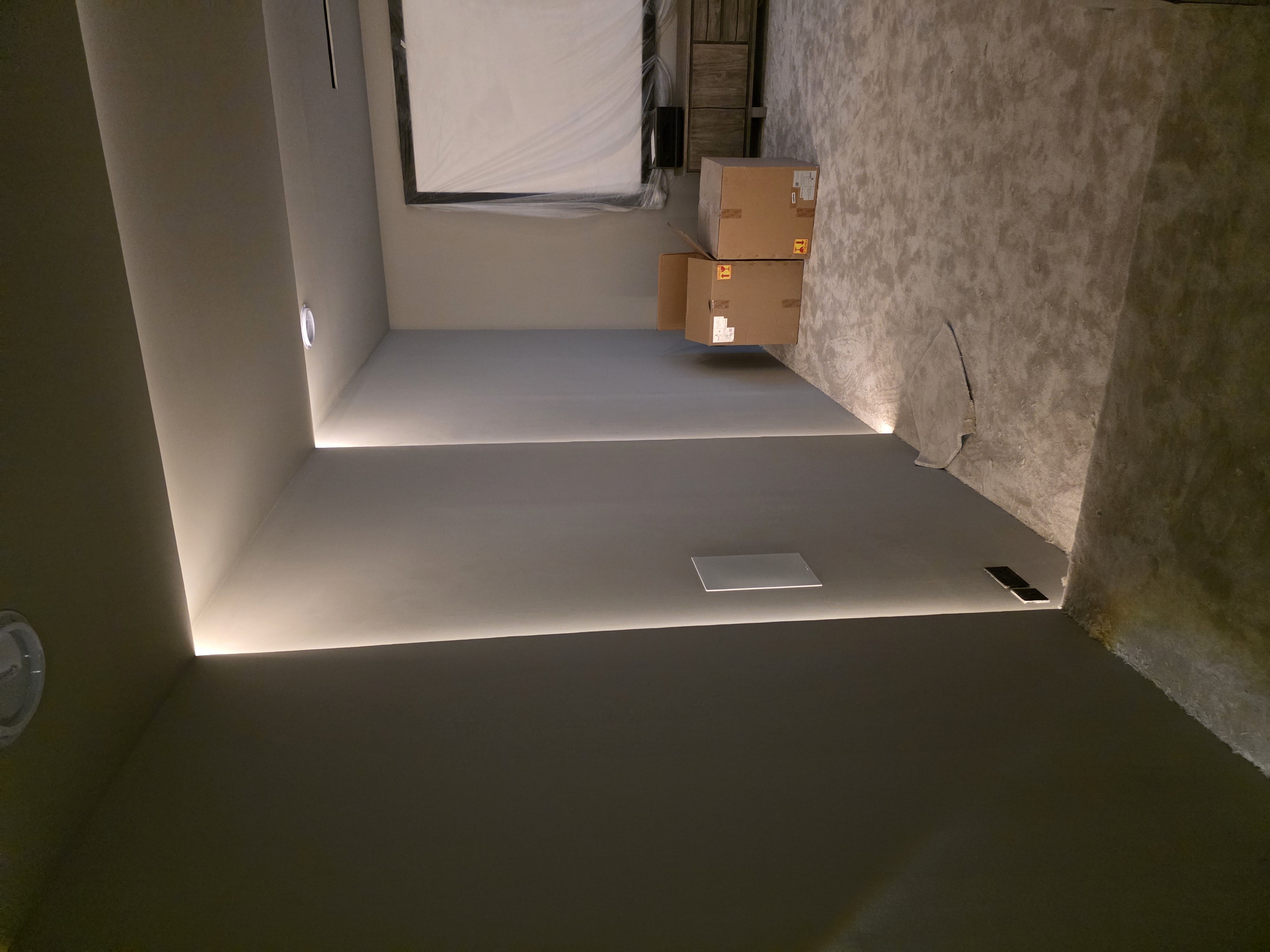
Ignoring documentation can lead to trouble. The risks are both financial and operational, affecting not just your wallet but also system efficiency.
Financial and Operational Implications
Skipping documentation can be costly. Imagine discovering a problem after walls are closed. Fixing it means extra labor and materials. This adds up quickly. Operationally, a documented system runs smoother. Without it, downtime increases. Costs rise as you scramble to fix issues. In the long run, neglecting documentation impacts your bottom line. It’s a gamble not worth taking.
Long-Term Performance Concerns
Documentation is like a time capsule. It preserves your system’s integrity. Without it, future changes become difficult. There’s uncertainty about what’s behind those walls. This affects performance over time. Your system may not adapt well to new technology. By documenting now, you ensure seamless integration later. You’re building a foundation for lasting performance, protecting your investment for years to come.


