

Documenting AV Design Decisions to Prevent Construction Rework
Most construction rework in UAE residential projects traces back to unclear AV design documentation. When decisions on AV, ELV, and automation systems are not recorded precisely, coordination breaks down and costly fixes follow after walls and ceilings close. This post outlines a clear framework and checklist to document those critical choices early, so your project avoids surprises and maintains technical clarity through handover.
Importance of AV Design Documentation
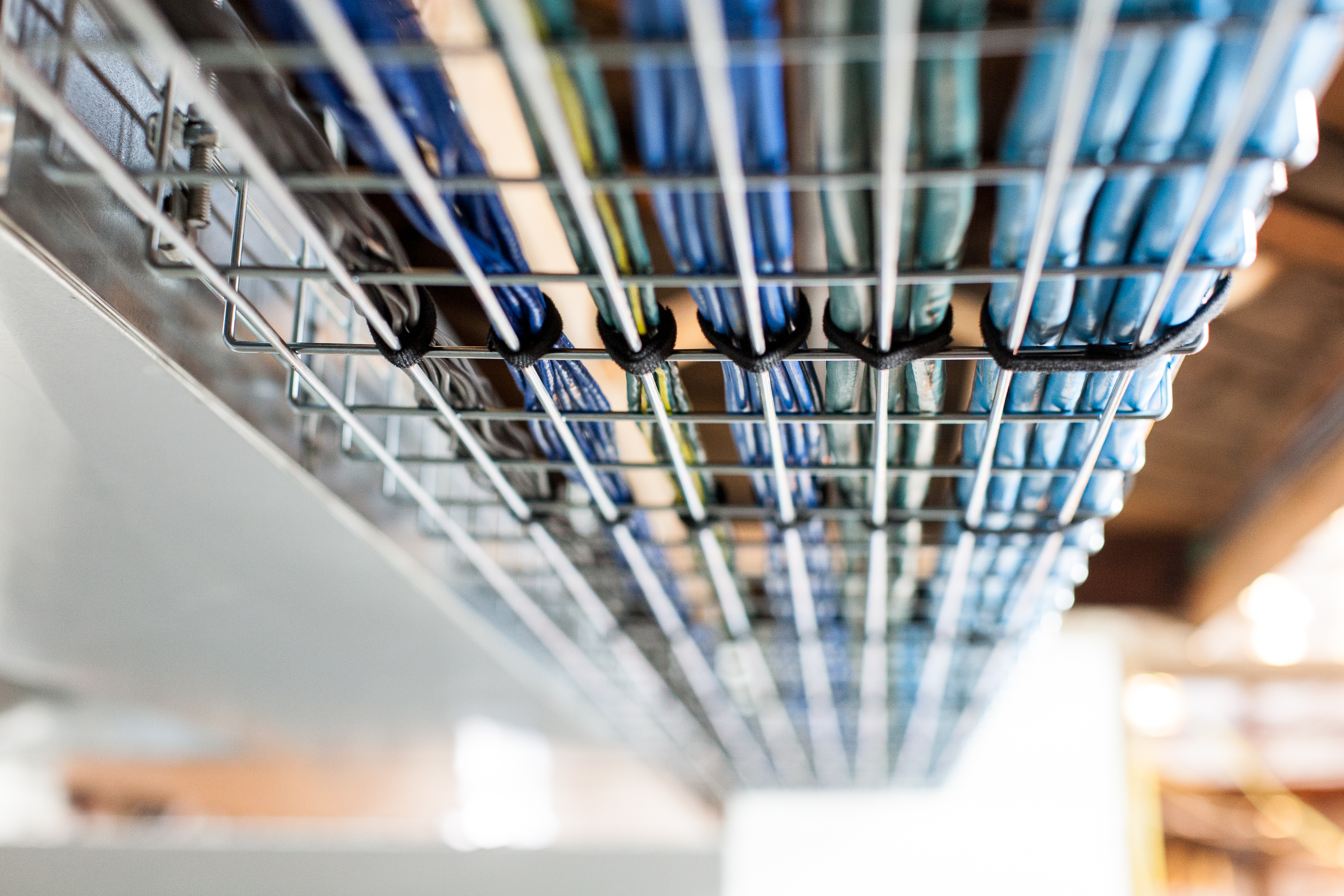
Documenting AV design decisions is crucial to prevent costly mistakes. A structured approach ensures every decision is clear and aligns with the project’s overall goals.
Minimizing Construction Rework
Poor documentation often leads to expensive construction rework. When you’re planning a high-end residential project, you can’t afford missteps. Accurate documentation saves time and resources by avoiding misunderstandings. Imagine a scenario where your AV system conflicts with structural elements. Without early documentation, resolving this could require tearing down walls—a costly and avoidable mistake. By noting every detail from the start, you reduce rework and maintain quality.
Coordinating with Project Teams
Coordination is key to successful project execution. Clear documentation acts as a bridge among teams involved. When AV design decisions are meticulously recorded, all parties—whether architects, MEP professionals, or contractors—stay informed. Everyone knows what to expect, preventing last-minute surprises. This level of transparency fosters collaboration and trust, ensuring each system works harmoniously. It also means less time spent on meetings and more on actual progress, streamlining your project timeline.
Framework for Documentation
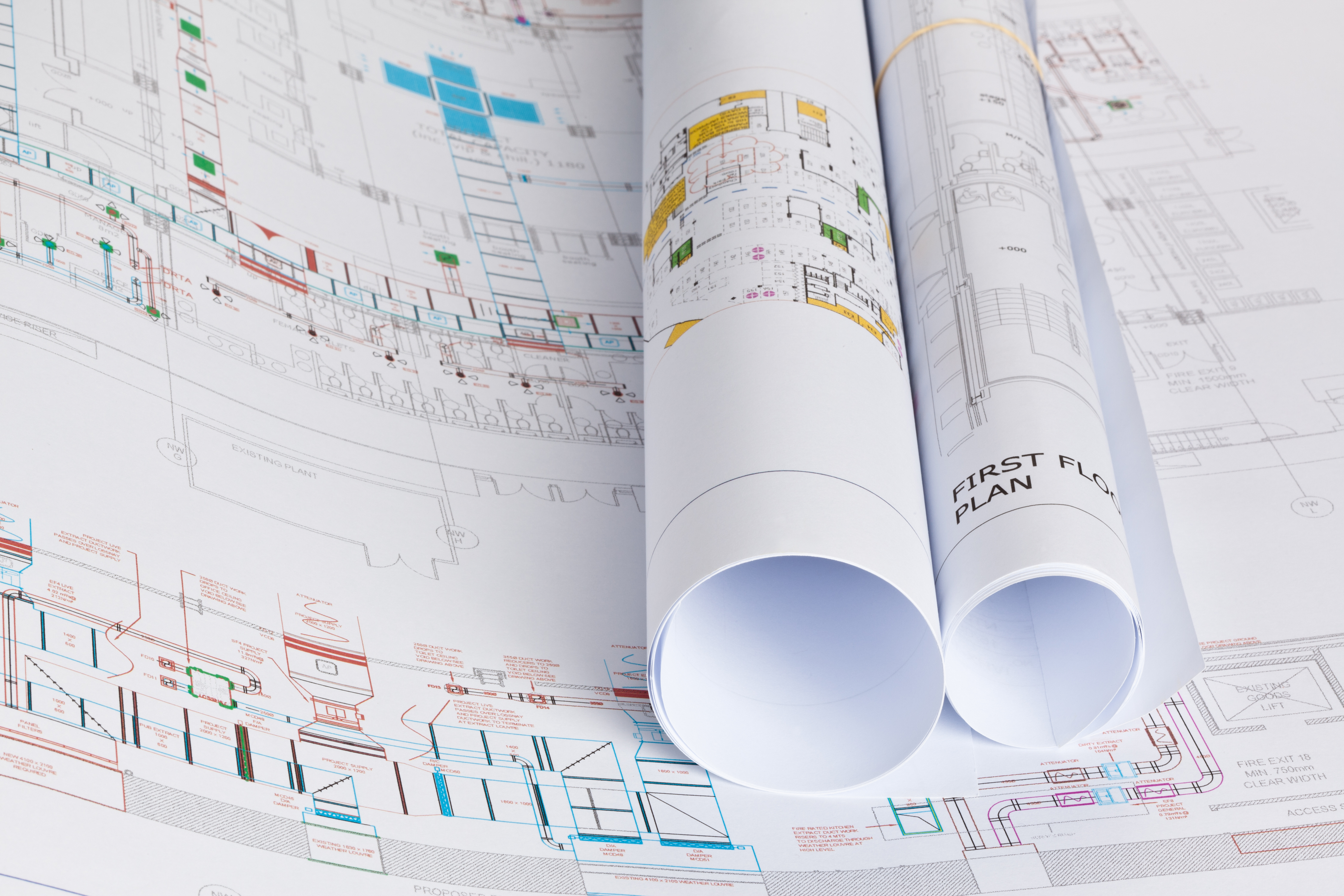
Now that the importance of documentation is clear, let’s explore the framework. A comprehensive approach captures every vital element, ensuring nothing is overlooked.
Key Elements to Capture
When documenting, it’s essential to include specific elements. Start with detailed equipment lists—know what goes where and why. Record installation guidelines to ensure consistency. Next, focus on interface control documents. These outline how systems will interact, preventing future conflicts. Capture cable schedules for clarity on routing and lengths. This attention to detail ensures systems are installed correctly from the outset, minimizing errors. Success lies in the specifics, not assumptions.
Coordinated Drawings and Plans
Drawings and plans serve as visual confirmations of decisions made. They should integrate AV, MEP, and structural elements cohesively. By coordinating these drawings early, you can foresee and resolve potential clashes. For example, ensure speaker placements don’t conflict with HVAC vents. Such foresight avoids costly revisions after construction begins. Clear, coordinated plans guarantee that every team works towards the same goal, reducing delays and confusion.
Effective Risk Management
Proper documentation also plays a critical role in managing risks effectively. By anticipating challenges, you can implement solutions before issues arise.
Change Control and RFI Processes
Change is inevitable, but how you handle it makes all the difference. Implementing a change control process ensures that any modifications are documented and approved by all stakeholders. This includes using Request for Information (RFI) protocols to clarify uncertainties. By maintaining a structured approach to changes, you prevent scope creep and unexpected costs. This framework keeps everyone accountable and informed, ensuring decisions are consistent with initial plans.
Ensuring Long-term System Performance
Finally, ensuring that systems perform long-term is paramount. Regular documentation updates capture any adjustments post-installation. This creates a reliable record for maintenance and troubleshooting. It also guarantees that systems are understood by future teams, preserving the integrity of your work. A well-documented project is a legacy of quality and reliability—one that performs seamlessly for years, avoiding the pitfalls of poorly managed installations.
In summary, diligent AV design documentation is not just a safeguard; it’s a strategic approach to ensuring your residential project in the UAE stands the test of time. By capturing essential details, coordinating effectively, and managing risks, you set a foundation for success that minimizes rework and enhances performance.
Read more about our approach to engineering-led residential systems.


