

Structured Cabling Design: The Foundation of Long-Term Smart Home Reliability
Structured cabling is often overlooked until problems arise—interference, noise, system failures. You might think smart home reliability depends on gadgets or software, but the truth lies in disciplined villa low-voltage design. Getting structured cabling right in UAE villas and penthouses prevents costly rework and protects your investment for years. This article explains how early ELV coordination and careful planning ensure your smart home systems perform exactly as intended long after handover.
Structured Cabling: A Smart Home Pillar

Understanding the backbone of a smart home is crucial. Structured cabling forms the foundation, ensuring your systems operate smoothly and reliably.
Villa Low-Voltage Design Essentials
Low-voltage design covers more than just wiring. It’s about creating a robust framework for seamless operations. Start with a detailed plan that maps out every connection. This foresight prevents future disruptions.
Every villa has unique needs. Identifying these early helps tailor the design. Considerations like room dimensions and usage patterns guide the process. This ensures that every outlet and cable serves a purpose.
Signal Integrity and Interference Control
Signal integrity is key to system performance. Poor cabling can lead to weak signals and interference. Shielded cables and precise routing prevent these issues. It’s not just about the cables but how they’re installed.
Interference often comes from unexpected sources. Nearby electronics or structural elements can disrupt signals. Careful planning and testing mitigate these risks. Ensuring clean signals keeps your systems running smoothly.
AV Integration UAE: Key Considerations
Incorporating AV systems requires precision. It’s more than just connecting devices. Every connection must be deliberate and well-planned. This prevents compatibility issues and ensures optimal performance.
Consider the acoustics of your space. Sound quality relies on more than just speakers. The room’s design affects how sound travels. Proper integration considers these factors, delivering clear, immersive audio.
Coordination Steps for Reliable Systems
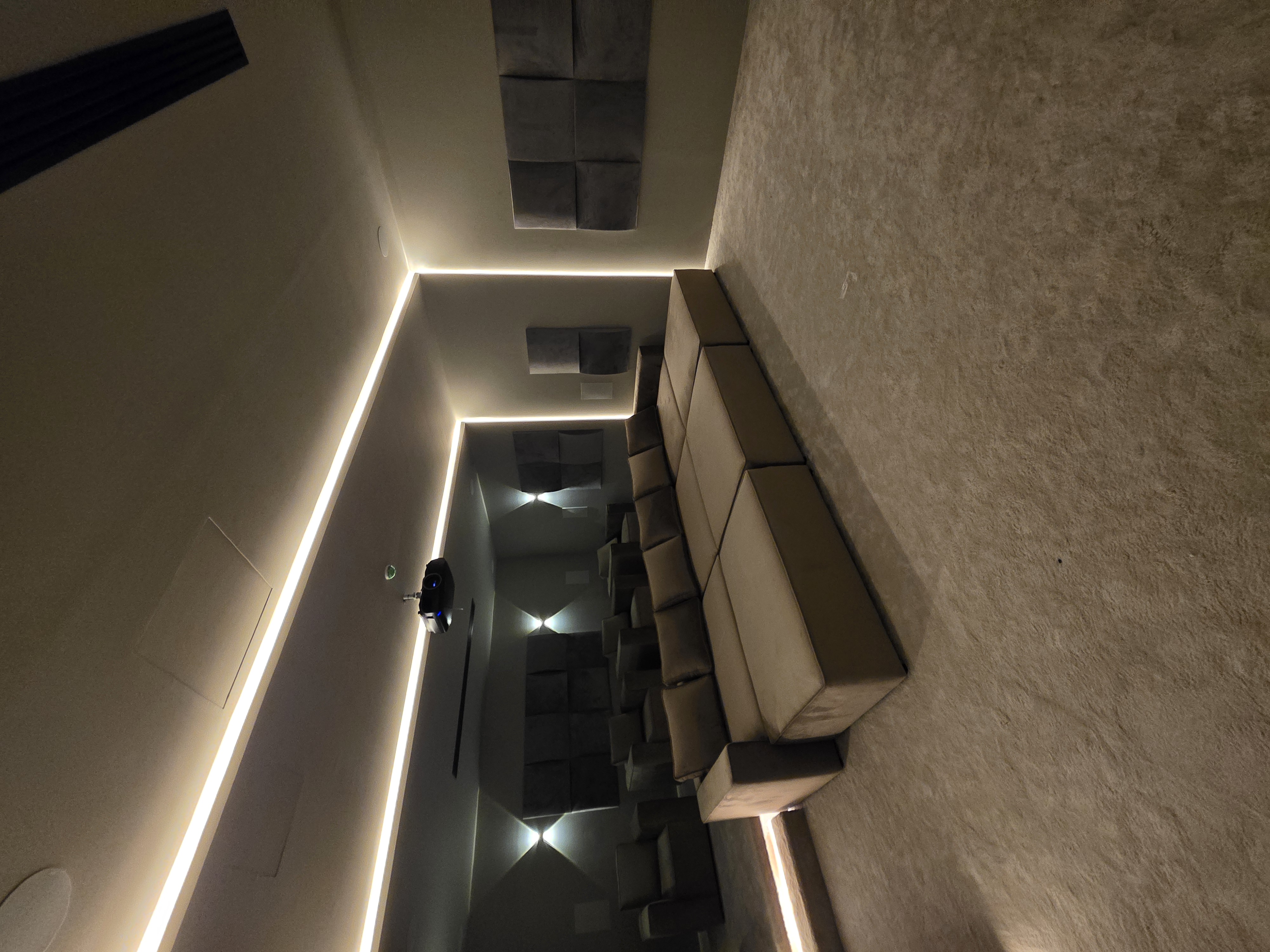
Coordination is a vital step in ensuring reliability. Effective planning and execution protect your investment long-term.
Rack Design and Thermal Planning
Rack design is more than aesthetics. It’s about functionality and efficiency. Plan your rack to accommodate all necessary components. This includes allowing for future expansions.
Thermal planning is critical in preventing overheating. Proper ventilation ensures components stay cool. This not only prolongs their lifespan but also maintains performance levels.
Grounding and Bonding Techniques
Grounding and bonding might seem minor, but they’re crucial for safety and performance. Proper techniques prevent electrical faults and reduce noise. This ensures a stable and reliable system.
Ensure all components are properly grounded. This prevents potential damage and protects your investment. Bonding connects all elements, creating a unified system that functions seamlessly.
Cable Containment and Segregation
Organized cabling reduces confusion and potential errors. Use trays and conduits to keep cables neat and accessible. This makes maintenance easier and prevents accidental damage.
Segregating cables prevents interference. Different systems can affect each other if placed too closely. By keeping them separate, you ensure each system operates without disruption.
Practical Checkpoints Before Closure
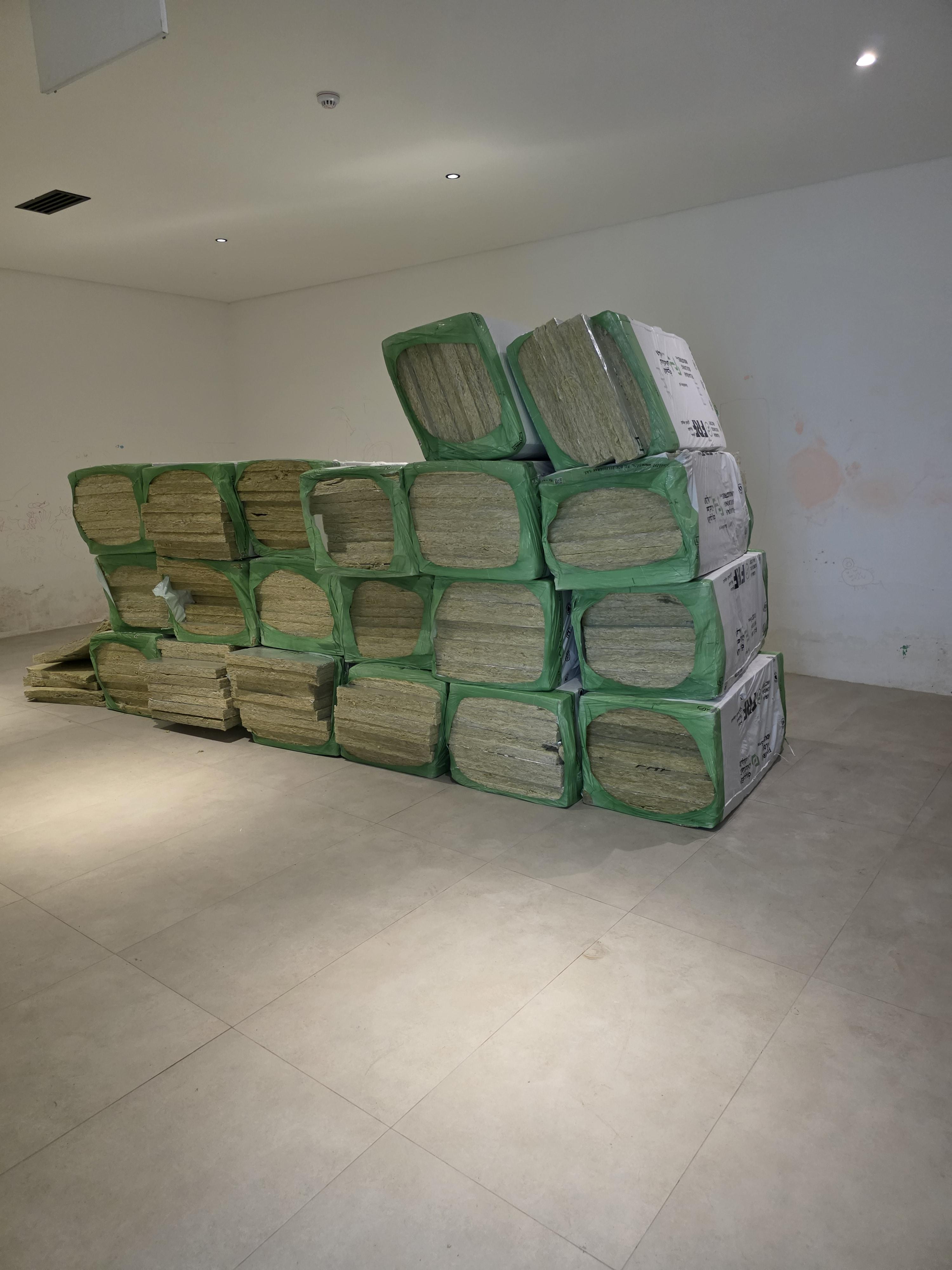
Before finalizing any project, it’s essential to validate your setup. These checkpoints ensure everything is in place for reliable operation.
PoE Power Planning and Validation
Power over Ethernet (PoE) simplifies installations. It combines power and data transmission, reducing the need for separate cables. However, planning is crucial to ensure sufficient power for all devices.
Validate your PoE setup by testing each connection. This ensures every device receives adequate power and functions correctly. Early validation prevents issues after installation.
Documentation and Labeling Standards
Proper documentation is invaluable. It provides a roadmap for future maintenance and troubleshooting. Labeling each cable and connection helps identify them quickly and accurately.
Establish clear standards for documentation. This ensures consistency and facilitates easier management. Detailed records prevent confusion and streamline any necessary updates or repairs.
Fiber Backbone for Villas: Best Practices
Fiber optics offer superior speed and reliability. They form the backbone of modern communication systems. Implementing fiber in villas enhances connectivity and future-proofs your home.
Best practices include using high-quality materials and precise installation. This ensures optimal performance and longevity. By investing in fiber, you’re securing a reliable, high-speed network for years to come.
Summary: Structured cabling is the unseen hero of any smart home. Proper planning and execution protect your investment and ensure long-term reliability. By focusing on key areas like low-voltage design, signal integrity, and proper coordination, you create a foundation that supports a seamless, efficient smart home environment.
Read more about our approach to engineering-led residential systems.


