

Pre-closure Checklist for Private Cinema Rooms: Avoiding Long-Term Issues
Most private cinema rooms face costly issues that only surface after walls and ceilings close. You might think final inspections catch every risk, but noise leaks, vibration, HVAC interference, and electrical faults often slip through unnoticed. This private cinema checklist focuses on key pre-closure inspection points to prevent those problems in your cinema room UAE project. Following it ensures long-term performance without expensive rework or compromises.
Essential Pre-Closure Inspections
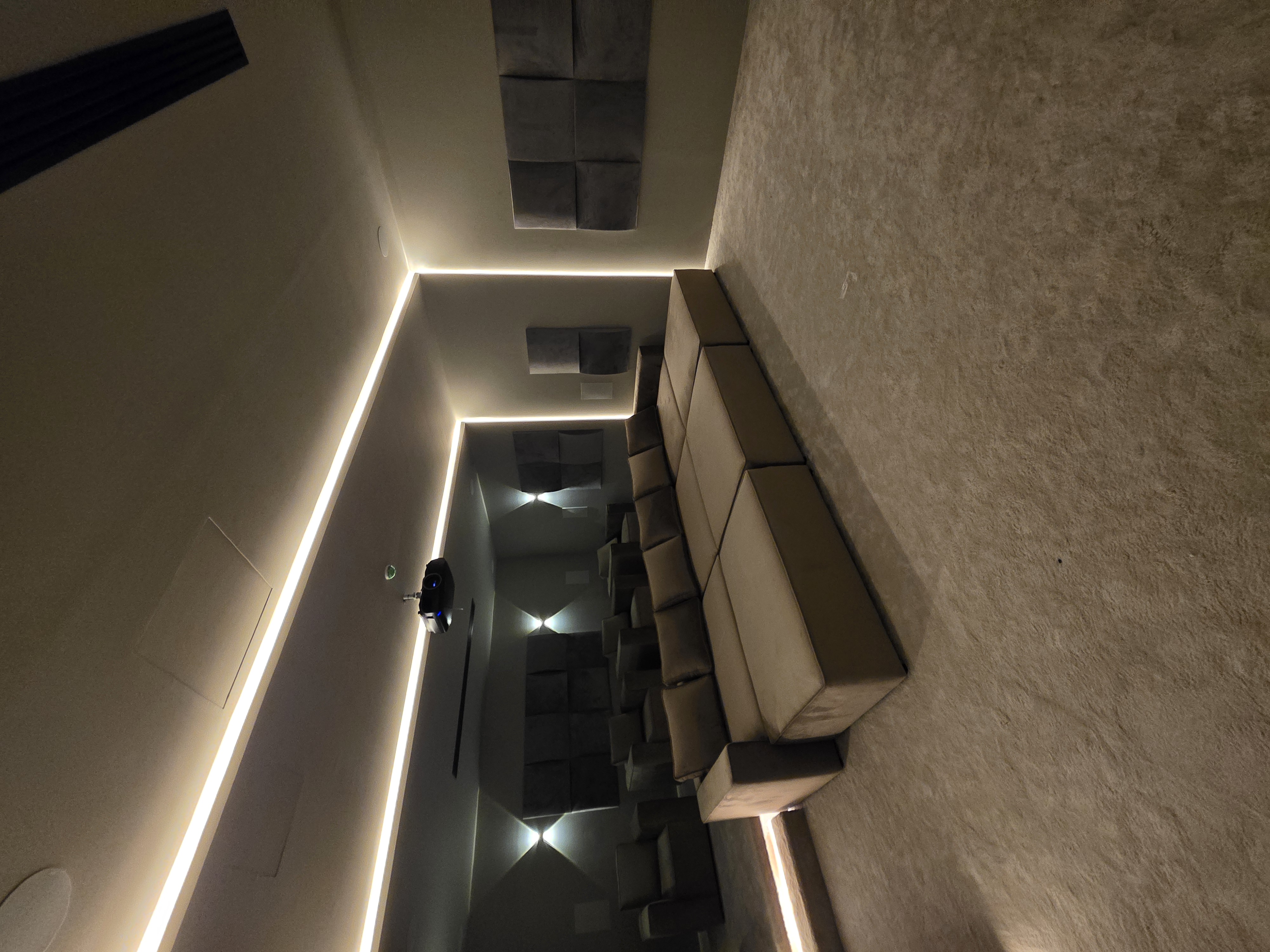
When building a private cinema room, thorough pre-closure inspections are crucial. Addressing potential problems beforehand will save you time and money. Let’s dive into the essential checks you need.
Acoustic Isolation and Sound Leakage
Sound leakage can ruin your cinema experience. Proper acoustic isolation ensures sound stays where it should. Start by examining your walls and ceilings: they need to be solid barriers against sound escape. Use materials like dense insulation and double-layered gypsum board to absorb and block noise. Pay special attention to door assemblies, which should have high Sound Transmission Class (STC) ratings to prevent sound from slipping out.
Next, seal all gaps and joints meticulously. Even tiny openings can lead to significant sound leaks. Use acoustic sealant for this task as it remains flexible and effective over time. Finally, remember to check penetrations like electrical outlets and light fixtures. These areas can be weak spots for sound to travel through if not properly sealed.
Vibration Control and Structural Coordination
Vibration can undermine the stability of your cinema setup and diminish audio quality. To prevent vibration issues, consider using floating floor and riser designs. These structures help isolate sound and minimize vibrations transferred through the building. Ensure that no rigid connections exist between the floor and structural elements.
Coordination between structural elements is also essential. Avoid metal-to-concrete contact, especially in vibration-sensitive areas. Using neoprene or rubber pads can help isolate vibrations. By prioritizing these measures, you ensure a stable environment for your cinema equipment.
HVAC Noise and Duct Design
The last thing you want is HVAC noise interrupting your movie night. Effective duct design and noise control are key. Start by planning your HVAC noise criteria to meet NC-20/25 levels. This standard helps keep background noise to a minimum. Ducts should be lined with sound-dampening materials to reduce noise transmission.
Consider installing silencers in your ductwork to further minimize sound. Additionally, ensure that supply and return air paths are free from obstructions and placed strategically to avoid interfering with your audio setup. Proper planning and design can greatly reduce HVAC noise and enhance your cinema experience.
Power and Grounding Integrity
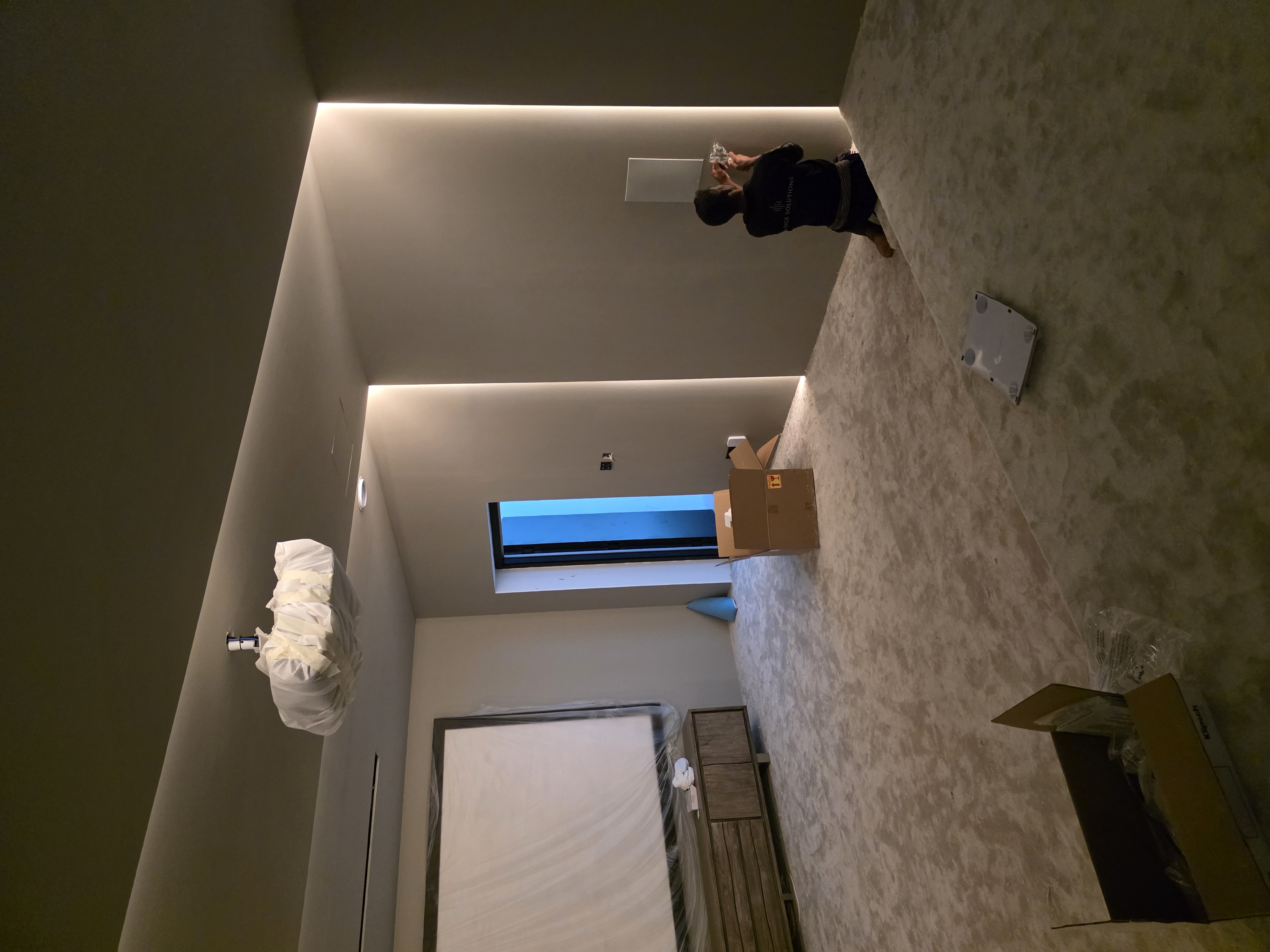
Ensuring solid power and grounding integrity is vital for a reliable cinema setup. Let’s explore how dedicated circuits and proper grounding contribute to performance.
Dedicated Power Circuits
A dedicated power supply minimizes interference and power fluctuations. Allocate separate circuits for your cinema equipment to avoid sharing with other appliances. This separation prevents overloads and ensures consistent power delivery. Verify that your power circuits are properly sized and capable of handling the load.
Having dedicated circuits also safeguards your equipment against electrical noise. It reduces the risk of interference, ensuring clear audio and video signals. By investing in dedicated power circuits, you enhance the reliability and longevity of your cinema room.
Electrical Grounding and Bonding
Proper grounding is crucial for electrical safety and performance. All equipment should be correctly bonded to prevent electrical faults. This bonding avoids ground loops that can introduce noise into your system. Ensure that your grounding system is continuous and meets all local electrical codes.
Remember, a robust grounding setup protects your equipment from power surges and interference. It stabilizes your system’s electrical environment, contributing to a seamless and enjoyable cinema experience.
EMI/RFI Interference Control
Electromagnetic interference (EMI) and radio frequency interference (RFI) can disrupt your audio and video signals. Shielding cables and equipment is one way to combat these issues. Use shielded cables for your audio and video connections to minimize interference.
Additionally, keep your cables organized and separated from potential sources of interference, such as motors or fluorescent lights. Implementing these measures helps maintain signal integrity and ensures your cinema system performs flawlessly.
Cabling and Equipment Considerations
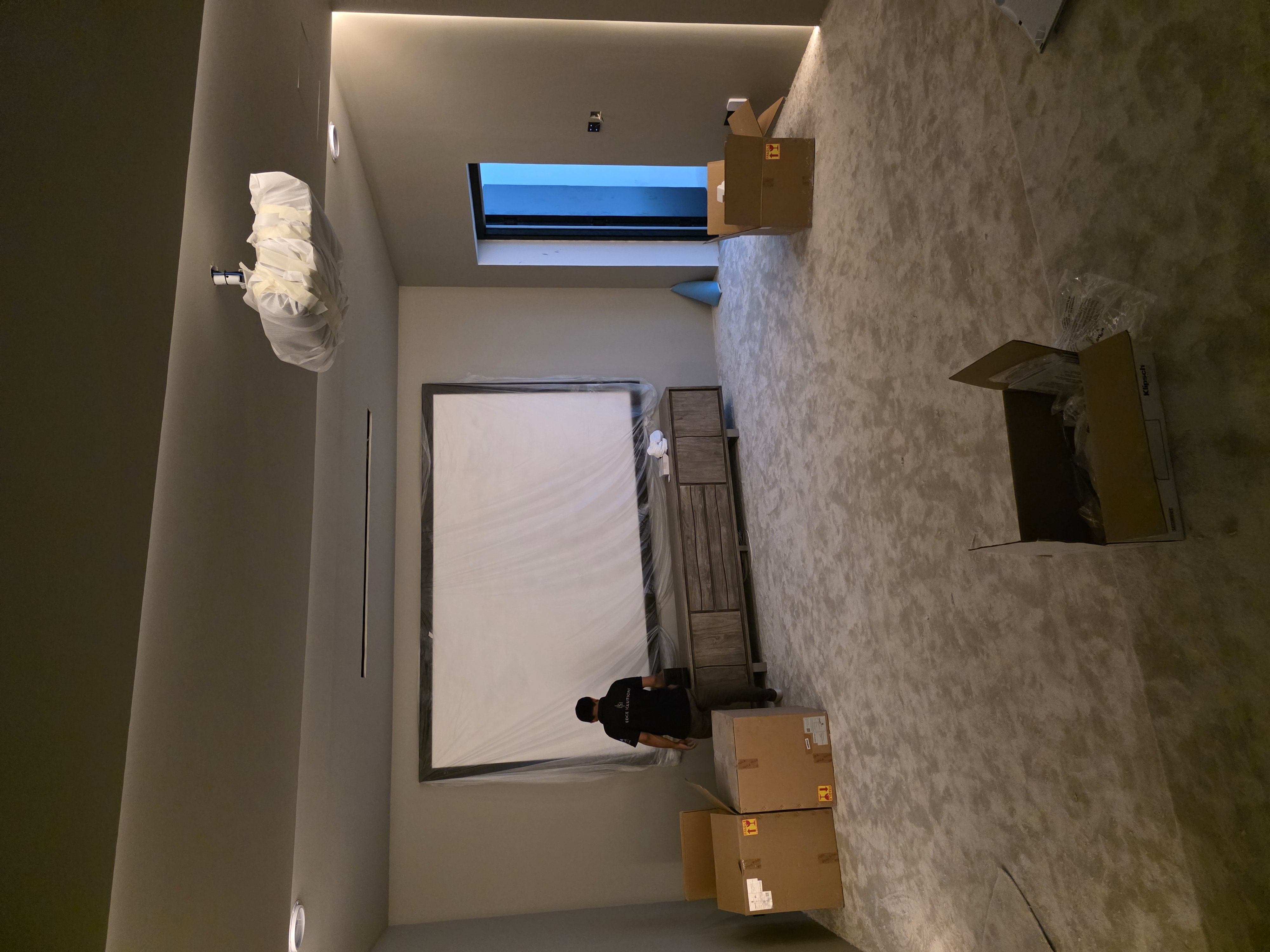
Cabling and equipment setup is another critical area for pre-closure inspections. Let’s cover the essentials for projector alignment and equipment ventilation.
Projector Throw and Sightlines
Accurate projector alignment is essential for a clear and immersive viewing experience. Begin by calculating the projector throw distance and ensuring it fits your room dimensions. This calculation determines where to place your projector for optimal screen coverage.
Sightlines are equally important. Ensure that nothing obstructs the view from any seating position. Proper projector placement and alignment eliminate distortion and provide a crisp image, enhancing your cinematic experience.
Equipment Rack Ventilation and Airflow
Proper ventilation is vital to prevent overheating and equipment failure. Ensure your equipment rack has adequate airflow to dissipate heat effectively. Consider installing fans or vents to promote consistent air circulation.
Monitor the heat load generated by your equipment and adjust your ventilation setup accordingly. Effective ventilation prolongs the life of your equipment and maintains optimal performance levels.
Conduit and Cable Pathways
Organized cable pathways prevent tangles and interference. Plan your conduit and cable pathways carefully, keeping signal and power cables separate to avoid interference. Use labeled conduits to simplify maintenance and troubleshooting.
Proper cable pathways ensure easy access for future upgrades and maintenance. By implementing a structured cabling approach, you protect your investment and enable seamless system expansion.
In conclusion, thorough pre-closure inspections in your private cinema room prevent costly issues later. By focusing on acoustic isolation, vibration control, HVAC noise, power integrity, and cabling organization, you set the stage for a flawless cinematic experience. Remember, attention to detail now translates into long-term satisfaction and enjoyment.


