

Coordinating AV, Lighting, and HVAC in Residential Projects: A Practical Framework for Risk Control
Most residential projects fail to coordinate AV, lighting, and HVAC early enough. That gap leads to noise issues, overheating, and control conflicts that show up after handover—when fixes cost time and money. This article lays out a clear process for AV coordination UAE teams can use to align these systems during design and avoid costly rework.
Coordinating AV and MEP Systems
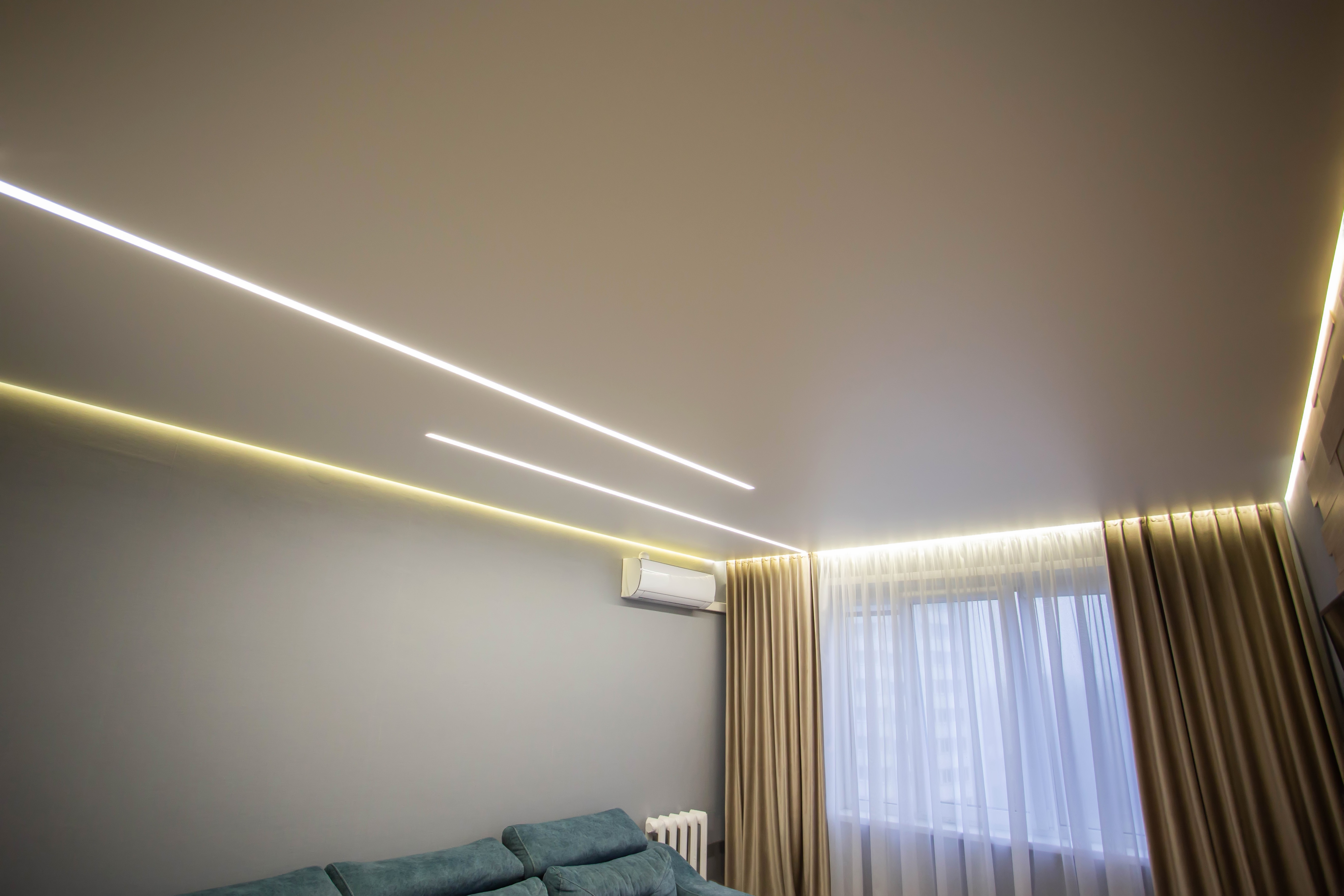
You might think that integrating AV systems with lighting and HVAC is straightforward. In reality, it’s a complex task requiring precise coordination early in the design phase.
AV Coordination UAE
When working on AV coordination UAE projects, starting early is crucial. By addressing issues before walls and ceilings are closed, you can avoid costly rework.
-
Early Planning: Begin with a thorough review of architectural layouts. Check for any constraints that could affect system performance.
-
Collaborative Approach: Work closely with architects and MEP teams to ensure all systems align. This reduces the risk of noise and control conflicts.
Residential MEP Coordination Process
The MEP coordination process is essential for integrating AV systems into residential projects. The goal is to ensure that all components work together smoothly.
-
Design Phase Integration: Connect with MEP teams during the design phase. This helps in identifying potential issues before they become problems.
-
Clash Detection: Use advanced modeling techniques to spot conflicts between AV, lighting, and HVAC systems. Resolving these ahead of time saves both time and resources.
Addressing Control System Challenges
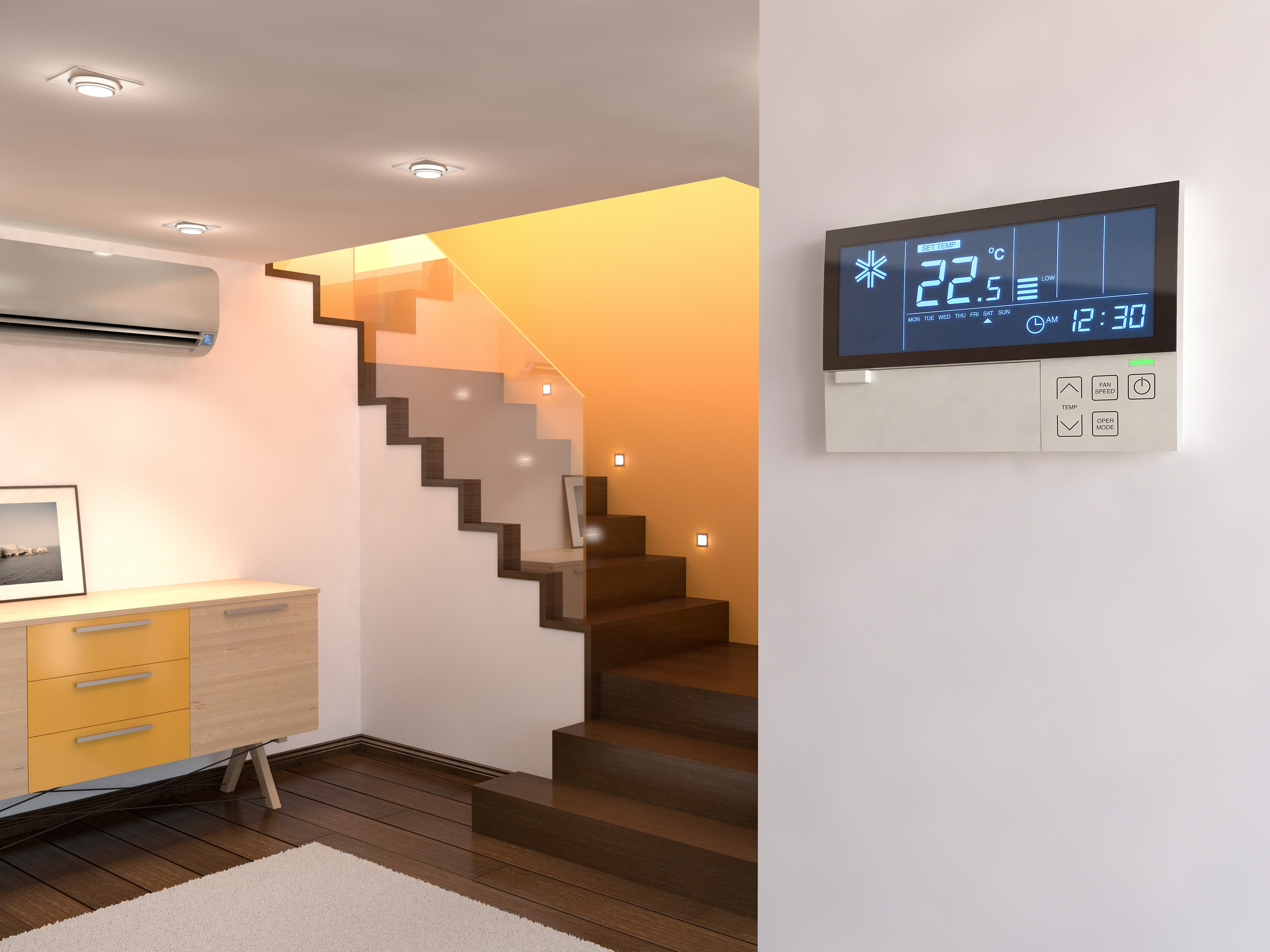
Moving on, let’s tackle some common control system challenges that can arise without proper integration.
Lighting Control Integration Tactics
Lighting control is more than just dimming lights. It’s about creating an atmosphere and ensuring energy efficiency.
-
Strategic System Design: Plan your lighting system to complement the AV setup. This ensures harmony in both aesthetics and functionality.
-
Energy Efficiency: Opt for systems that allow for dynamic control, reducing energy consumption without compromising comfort.
HVAC Noise Control Solutions
Noise control in HVAC systems is often overlooked, yet it’s critical for maintaining a peaceful environment.
-
Silent Operations: Choose HVAC components known for low noise levels. This is particularly vital in media rooms where quiet operation is a must.
-
Isolation Techniques: Implement isolation techniques to prevent vibrations from transferring through the structure. This enhances the overall experience.
Ensuring Long-Term System Performance
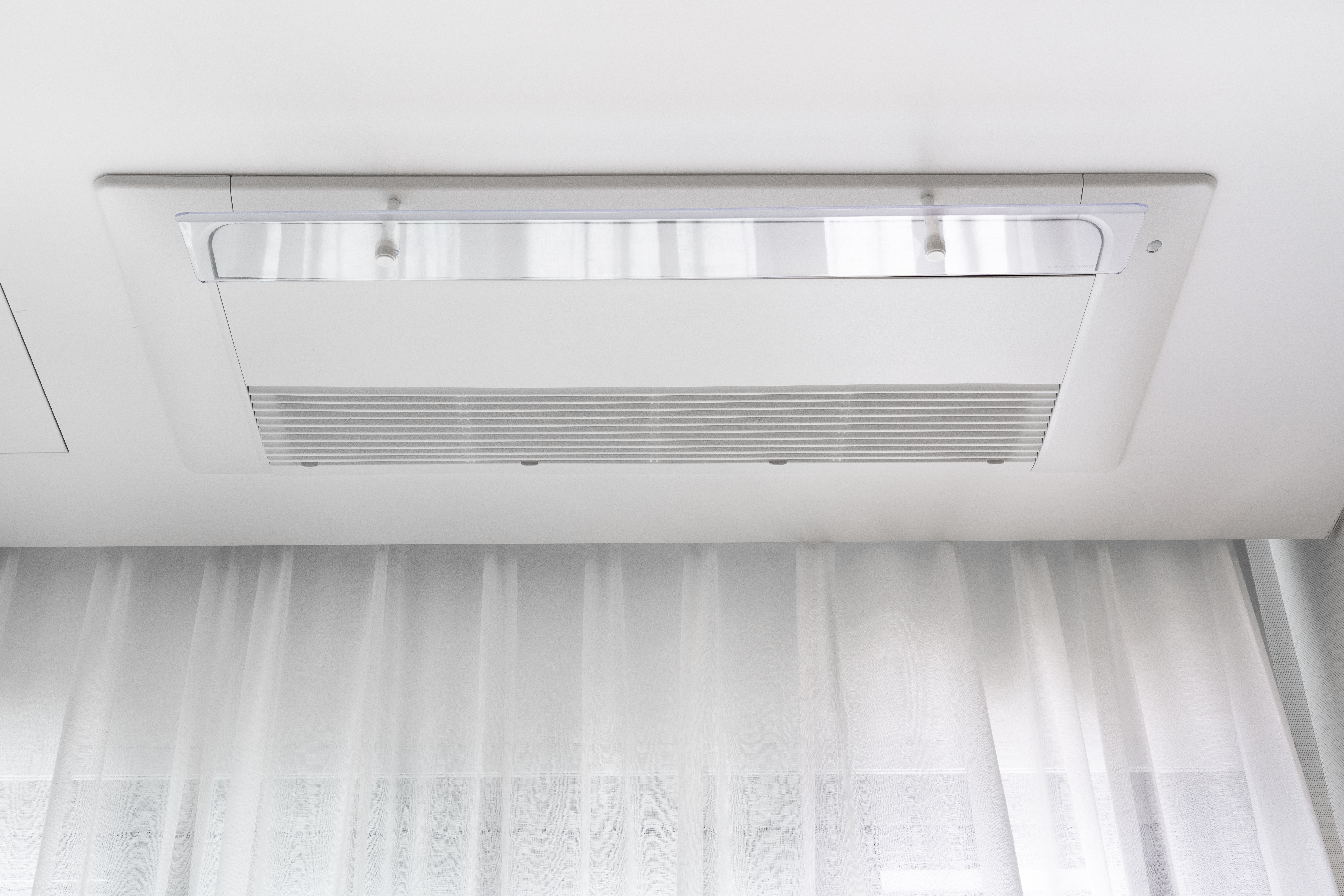
Finally, it’s important to focus on the long-term performance of your AV, lighting, and HVAC systems.
Equipment Rack Thermal Management
Equipment racks need proper thermal management to ensure longevity and performance.
-
Cooling Solutions: Ensure adequate ventilation to prevent overheating. This can prolong the life of your equipment significantly.
-
Compact Design: Opt for a design that minimizes space while maximizing airflow. This helps in maintaining optimal operating conditions.
Grounding and Earthing Strategy
Proper grounding and earthing are essential for safety and reliability.
-
Safety First: Implement a robust grounding strategy that meets all safety standards. This prevents electrical faults and potential hazards.
-
Consistent Checks: Regularly inspect and maintain all grounding connections. This ensures ongoing reliability and performance.
By following these guidelines, you ensure that your systems not only work well from day one but continue to perform reliably for years to come.

