
The Quiet Power of Engineering Discipline in Smart Home Systems
Most smart home problems start long before installation. When engineering discipline takes a back seat to gadget hype, systems often become noisy, unreliable, and costly to fix. Your smart home’s long-term system performance depends on planning that respects acoustics, vibration management, and MEP coordination. This post explains why calm, detailed engineering—not flashy features—ensures smart home reliability you can trust for years.
Importance of Engineering Discipline
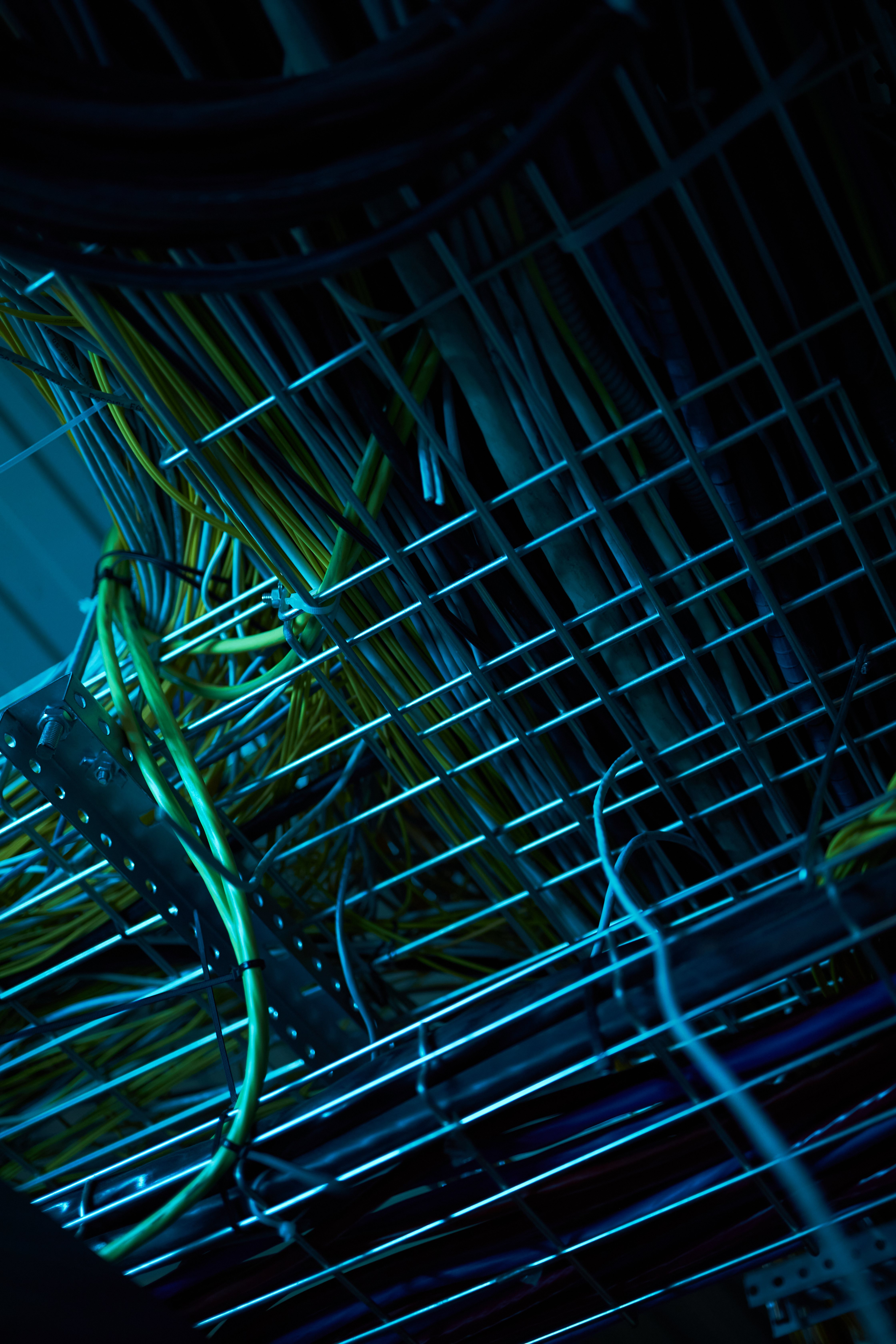
When embarking on a smart home project, the foundation is critical. A well-engineered plan ensures systems run smoothly and quietly, while poor planning can lead to noise, disruptions, and frequent repairs. Let’s dive into how engineering discipline is your best ally.
Calm System Performance
Calm system performance begins with thoughtful design. It’s not about how many gadgets you install, but how they integrate into your home. You want systems that work harmoniously without calling attention to themselves. This means considering acoustics and vibration from the start. For example, a well-placed speaker setup avoids disruptive echoes, letting you enjoy sound without distraction. By focusing on these details, your smart home will feel like an oasis of peace.
Long-term Reliability
Reliability isn’t just about today; it’s about years down the line. When systems are planned with precision, they require fewer fixes and last longer. Imagine the frustration of a system that constantly needs tuning or repairs. By prioritizing solid engineering from the outset, you ensure your smart home remains dependable. This forward-thinking approach saves time and money, providing a space that’s as functional as it is comfortable.
Achieving Reliable Smart Homes
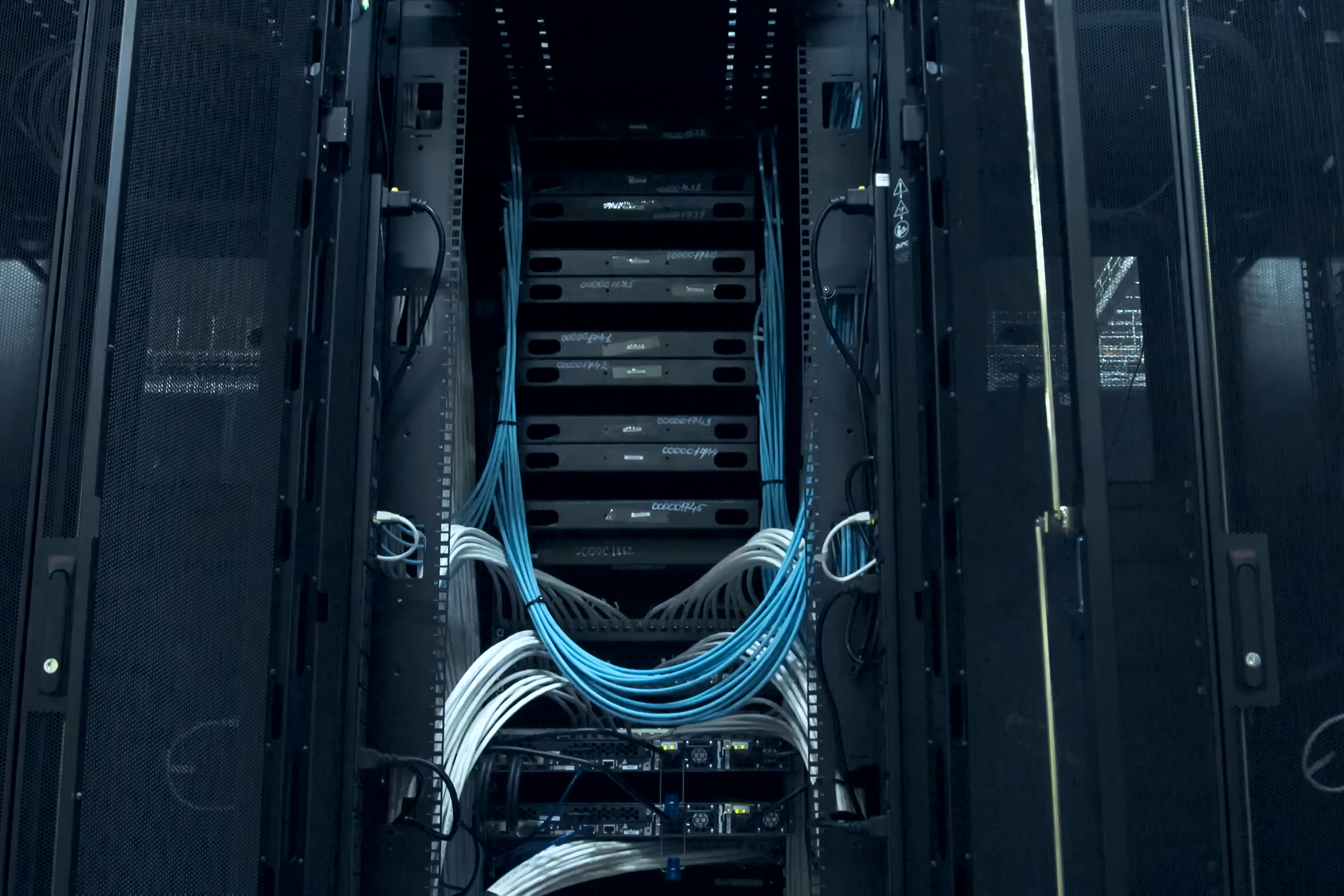
Achieving reliability in smart homes involves more than just installing devices. It requires coordination between various systems to ensure they work together seamlessly. Let’s explore how to achieve this harmony.
AV Integration and MEP Coordination
Successful smart homes depend on the integration of audio-visual (AV) systems with mechanical, electrical, and plumbing (MEP) elements. This coordination means your home’s backbone supports your technology. Proper AV integration ensures that sound and visuals enhance your living space without interference. MEP coordination ensures that wires, ducts, and systems don’t clash, preventing future headaches. These efforts create a seamless experience, allowing you to enjoy technology without noticing its complexity.
Noise and Vibration Management
Noise and vibration can disrupt even the most beautiful homes. Managing these elements requires strategic planning. For example, placing HVAC units away from quiet areas prevents unwanted noise. Vibration management might involve using special mounts to isolate equipment, keeping your home tranquil. By addressing these factors early, you’re investing in a peaceful environment. Remember, a home should be a sanctuary, not a source of stress.
Benefits of Early Coordination
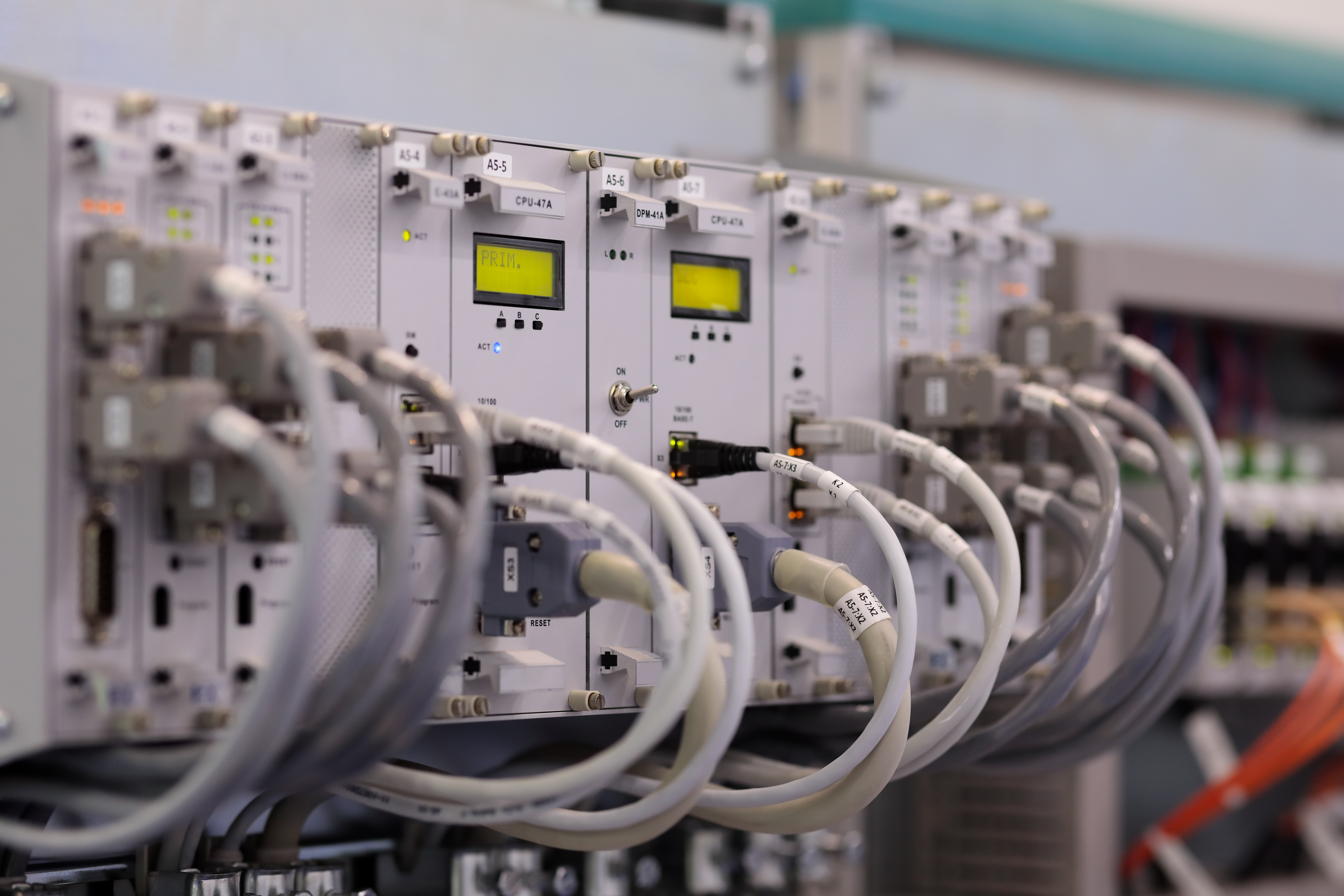
Early coordination sets the stage for a successful project. By addressing potential issues early, you prevent costly mistakes and ensure smooth execution. Let’s see how early coordination benefits your smart home.
Preventing Common System Failures
Common system failures often arise from poor planning. By coordinating early, you identify and solve problems before they escalate. Consider how misaligned systems can cause power failures or connectivity issues. Addressing these during planning reduces the risk of failures, ensuring your home functions without interruptions. This proactive approach gives you peace of mind, knowing your systems are robust.
Ensuring Long-term System Performance
Long-term performance is about laying a solid foundation from the start. By focusing on engineering discipline, you ensure your systems are built to last. This means fewer repairs and consistent performance over time. Imagine a home where everything just works, year after year. By investing in quality planning, you create a reliable space that meets your needs now and in the future. In the end, smart planning leads to smart living, where technology enhances your life without complications.


