
Conduit selection for vibration-sensitive AV zones: practical standards for quiet, stable systems
Conduit selection in vibration-sensitive AV zones is often underestimated, yet it directly impacts signal integrity and system stability. Many premium residential projects face costly rework because early decisions overlook vibration isolation and electromagnetic interference risks. This guide presents clear criteria and coordination checkpoints essential for protecting AV cabling UAE environments, especially in private cinema UAE setups and ELV pathways. Understanding these standards ensures quiet, reliable systems that maintain performance well beyond handover.
Understanding Vibration-Sensitive AV Zones
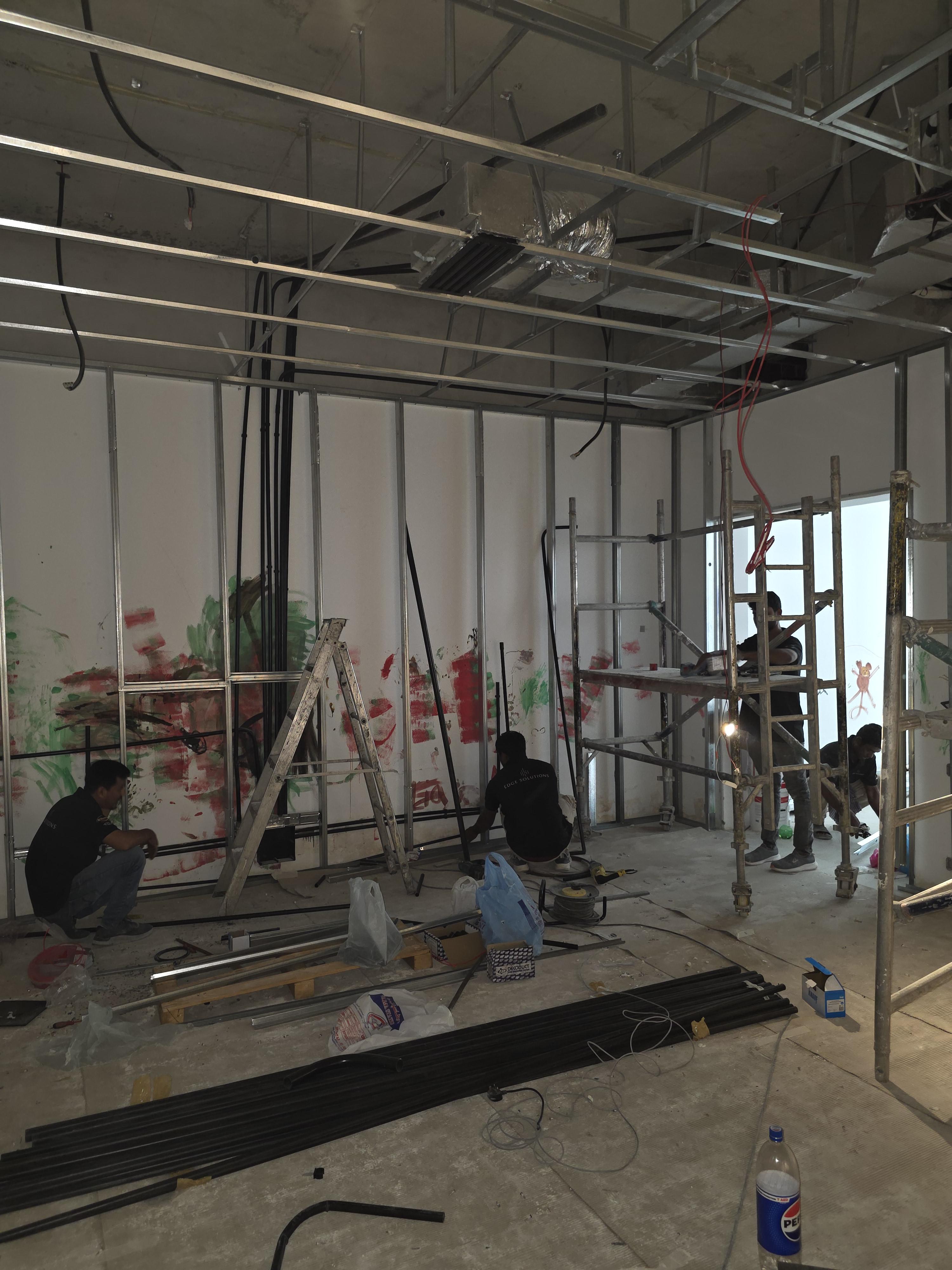
Navigating the complexities of vibration-sensitive AV zones requires a deep understanding of signal integrity and noise management. This knowledge is crucial to avoid common pitfalls and ensure durability in your systems.
The Importance of Signal Integrity
Signal integrity is the backbone of any high-performance AV setup. It ensures that audio and video signals are transmitted without distortion or loss. Imagine watching a movie in your private cinema and experiencing interruptions. This can be both frustrating and costly to fix later. To avoid this, focus on choosing the right materials and configurations during the initial phases of your project. Consistent signal integrity means uninterrupted sound and picture quality, which is vital for a seamless experience.
Noise Transfer Prevention Strategies
Noise transfer is a hidden enemy in many AV installations. To combat this, consider using specific isolation materials that prevent noise from traveling through walls and floors. These materials act as barriers, stopping sound from transferring between rooms. You might also consider using soundproofing techniques such as decoupling conduits and using flexible materials that absorb sound. By implementing these strategies, you can ensure a quiet and immersive environment for your entertainment spaces.
Common Mistakes in AV Cabling UAE
Mistakes in AV cabling often arise from poor planning and coordination. A frequent error is using galvanised steel conduits in areas prone to vibration. While sturdy, these can act as conduits for noise and vibration, leading to signal interference. Another common oversight is neglecting proper isolation techniques, particularly in areas near subwoofers. Avoid these pitfalls by ensuring your team is well-informed and your plans are thoroughly reviewed. By doing so, you’ll safeguard your project from unnecessary disruptions and costly reworks.
Criteria for Conduit Selection
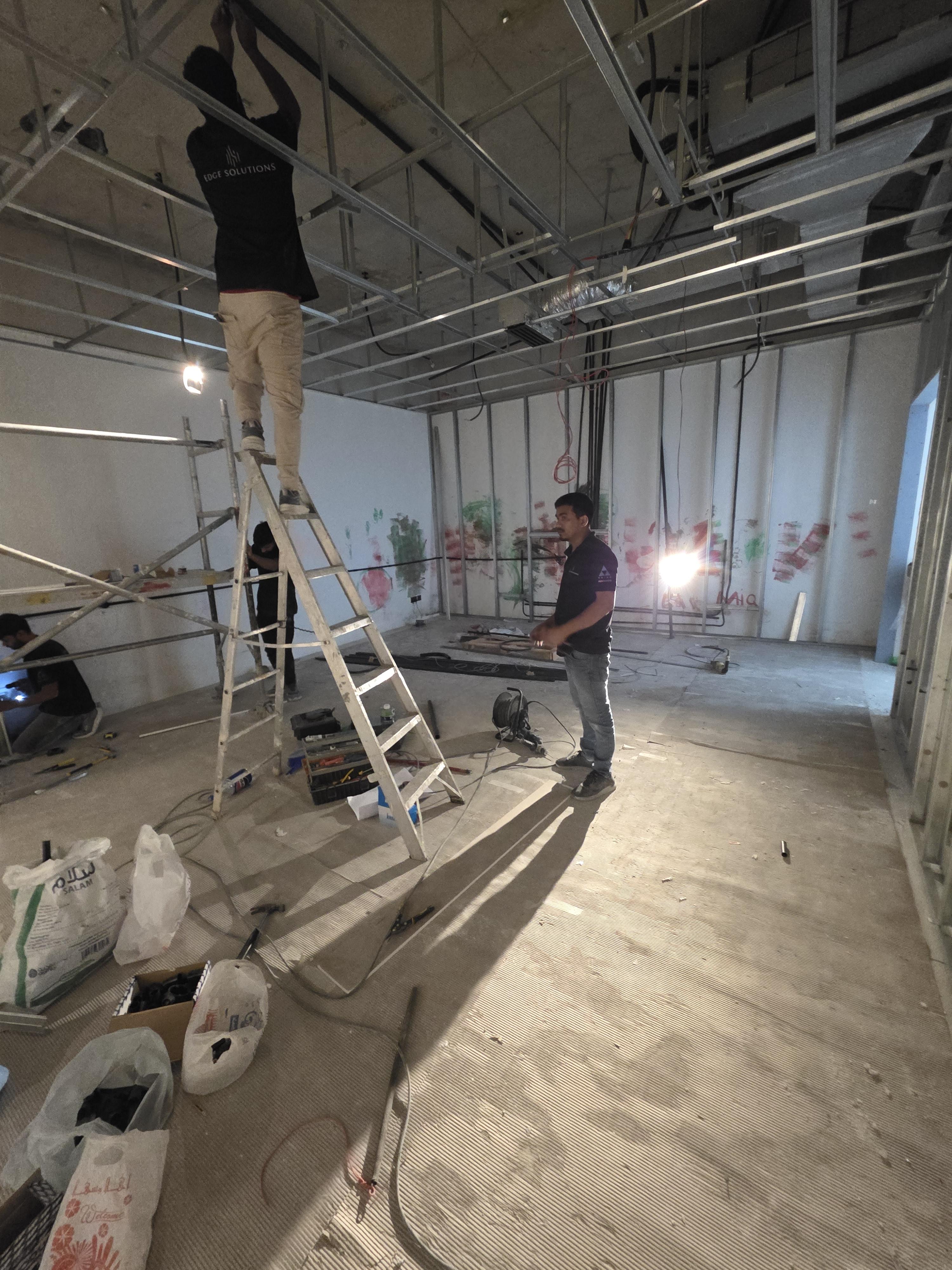
Choosing the right conduit is essential for maintaining system integrity in vibration-sensitive zones. The initial choices you make will have lasting effects on performance and reliability.
Material Choices: Galvanised Steel Conduit
Galvanised steel is a popular choice for its durability. However, in vibration-sensitive areas, it may not always be the best option. Metal conduits can transfer vibrations, which might disturb signal integrity. Instead, consider using PVC or flexible conduits that can minimize vibration transfer. These materials still provide the necessary protection for cables while reducing the risk of noise interference. By carefully selecting materials, you protect your investment and ensure long-term performance.
Isolation Techniques for Subwoofer Vibration Control
Subwoofers can dramatically impact the environment due to their powerful low-frequency outputs. One effective isolation technique is using rubber mounts or isolation platforms. These tools can absorb and dampen vibrations, preventing them from affecting the rest of the structure. Another approach is strategically placing subwoofers away from structural elements that could amplify vibrations. By focusing on isolation techniques, you maintain a quieter and more controlled AV space.
EMI Mitigation and Low-Voltage Infrastructure
Electromagnetic interference (EMI) can severely affect the performance of AV systems. To mitigate this, prioritize low-voltage infrastructure and proper grounding techniques. Shielded cables and conduits can help reduce interference, ensuring that signals remain clear and strong. Additionally, maintaining a safe distance between power and signal cables can prevent EMI from becoming an issue. By planning for these elements early, you protect your system from potential performance hiccups.
Coordination and Installation Best Practices
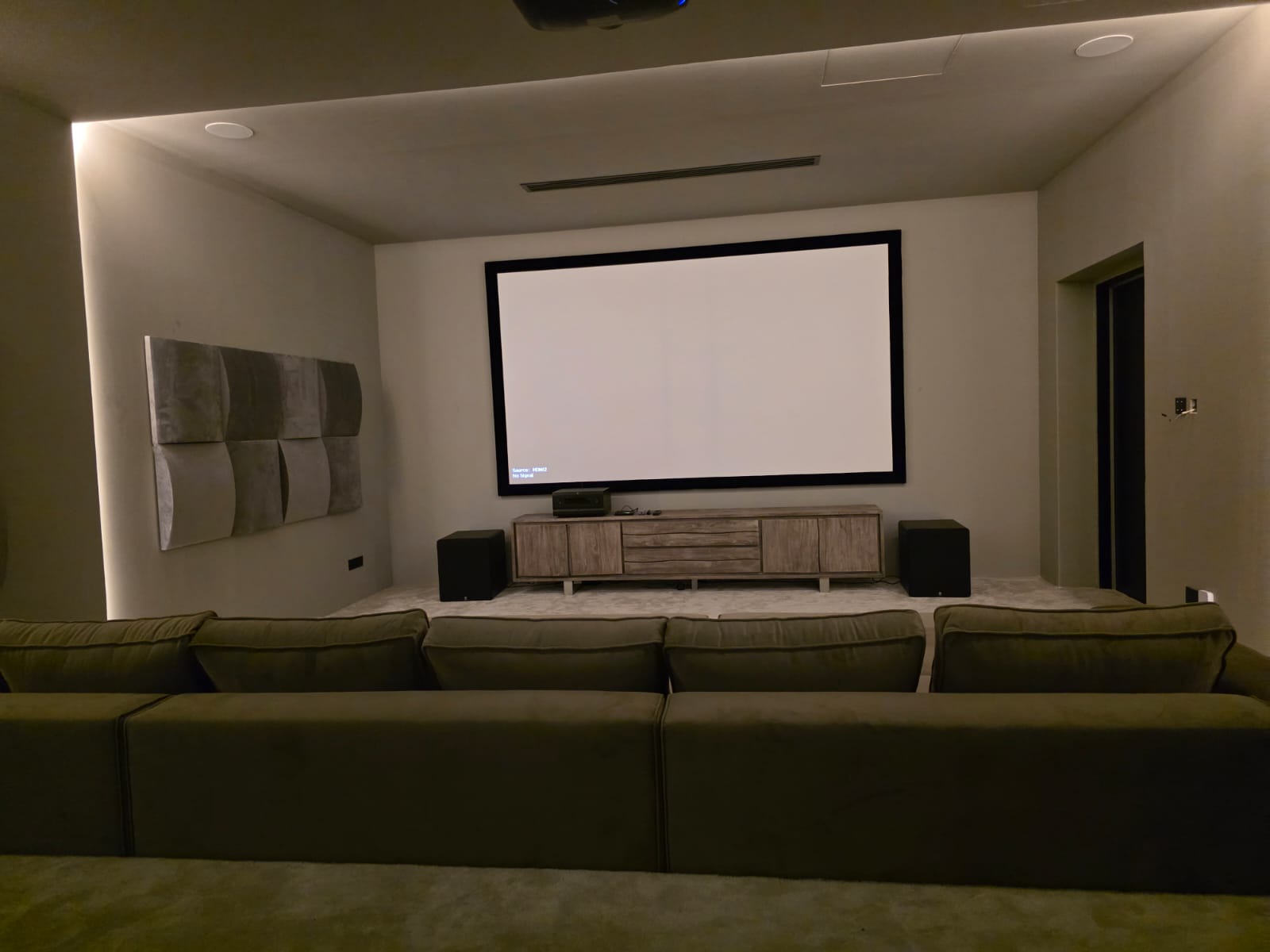
Effective coordination and installation are key to achieving reliable AV systems. By focusing on these practices, you can ensure a successful project execution.
MEP Coordination UAE: Key Checkpoints
In UAE projects, mechanical, electrical, and plumbing (MEP) coordination is crucial. Regular checkpoints with MEP teams can ensure that all systems are integrated smoothly. Address potential conflicts early, such as HVAC interference with AV setups. Coordination meetings can resolve issues before they escalate, saving time and costs. It’s these proactive steps that ensure your project runs smoothly and without unnecessary setbacks.
Equipment Rack Entry and Grounding
Proper equipment rack entry and grounding are essential for system stability. Ensure that racks are easily accessible for maintenance and cable management. Grounding is equally important—without it, you risk system instability and potential damage to equipment. Use proper grounding techniques to protect against electrical faults and ensure long-term reliability. These precautions are vital for the integrity and performance of your AV system.
Ensuring Pathway Serviceability and Access
Maintaining serviceability and access to pathways is often overlooked. Ensure that all conduits and cables are accessible for maintenance and upgrades. This planning will save time and cost in the future, as easy access prevents the need for disruptive construction work. Consider future-proofing your pathways by allowing room for additional cables or upgrades. By planning for serviceability, you ensure that your investment remains intact and adaptable over time.
By following these guidelines, you can protect your AV systems from common pitfalls and ensure their reliability and performance for years to come. Investing time and resources into proper planning and execution will pay off, resulting in a seamless and high-quality AV experience.
Read more about our approach to engineering-led residential systems.

