
Power vs. Signal: Proper Conduit Separation for Reliable Residential AV
Separating power and signal conduits is not a minor detail—it’s a decisive factor in whether your residential AV system runs quietly or becomes a source of constant interference. Electrical noise, ground loops, and RFI can silently undermine performance if this step is overlooked. This guide explains clear rules and coordination practices for conduit separation in residential AV UAE projects, helping you prevent costly rework before the first fix.
Importance of Conduit Separation

Separating power and signal conduits is crucial for maintaining the integrity of your residential AV systems. Let’s explore how this separation prevents interference and enhances system reliability.
Preventing Noise and Interference
When you mix power and signal conduits, you invite noise and interference into your AV system. Electrical noise can cause buzzing and distortion, disrupting your listening experience. By keeping power and signal conduits apart, you reduce the chance of unwanted noise. This separation ensures your audio and video signals remain clear, allowing your AV system to perform as intended.
Understanding Ground Loops
Ground loops can be a hidden enemy in AV systems. They occur when multiple paths to ground create a loop, introducing hum and distortion. Proper conduit separation plays a key role in avoiding these pesky loops. By isolating power and signal paths, you minimize the potential for ground loops, ensuring your system runs smoothly and quietly.
Impact on AV System Reliability
Reliability is the cornerstone of any quality AV system. When power and signal conduits are properly separated, your system’s components function without interference, reducing the risk of unexpected failures. This practice doesn’t just improve performance—it extends the life of your equipment. In the world of residential AV, a reliable system is one that provides consistent, high-quality performance every time you use it.
Practical Conduit Separation Guidelines

Having established the importance of conduit separation, let’s move on to practical guidelines to achieve it effectively. These guidelines will help you plan and implement conduit separation with confidence.
Clearance and Routing Rules
First, maintain a minimum clearance between power and signal conduits. A gap of at least 12 inches is recommended to prevent electromagnetic interference (EMI). While routing, avoid parallel runs of power and signal cables. If they must cross, do so at right angles to minimize interaction. This simple step significantly reduces interference risks.
Crossing and Shielding Techniques
When power and signal conduits must cross, use shielding to protect the signal lines. Shielded cabling acts as a barrier against interference, maintaining signal integrity. Additionally, employ metal conduit or ducting for added protection. These techniques ensure that your AV system remains free from unwanted noise and interference.
Planning for AV Rack Power
Proper power planning is essential for your AV rack. Dedicate a separate circuit for your AV equipment to avoid sharing power with high-demand appliances. This reduces the risk of electrical noise. Ground your AV rack properly to prevent ground loops and ensure a stable, quiet operation. Thoughtful power planning keeps your AV system running without hiccups.
Coordination and Verification Checklist
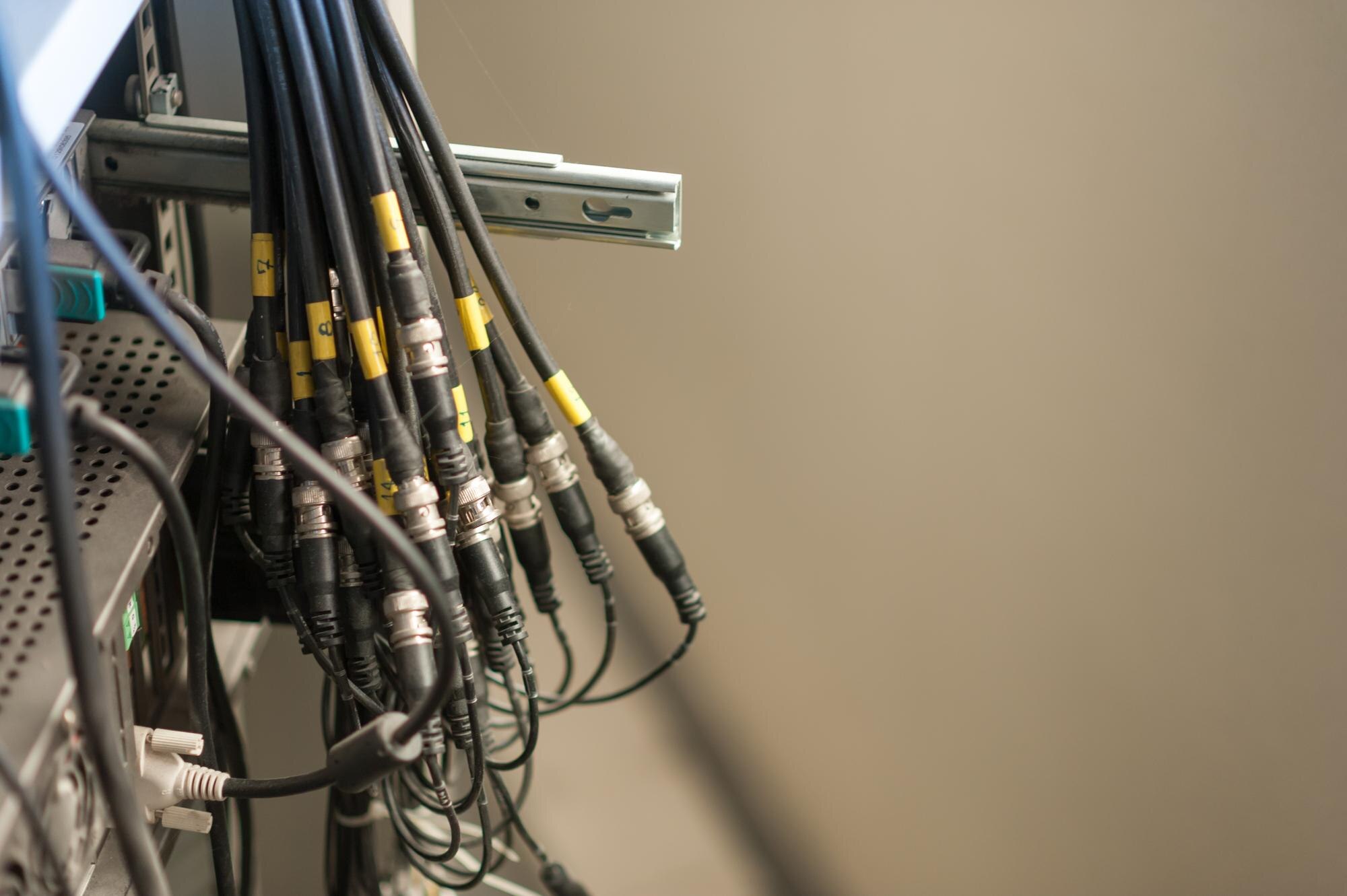
Understanding conduit separation is just the beginning. Coordination and verification are key to implementing these guidelines effectively. A structured checklist ensures nothing is overlooked.
MEP Coordination Best Practices
Coordinate with mechanical, electrical, and plumbing (MEP) teams early in the project. Ensure that conduit pathways are planned alongside other building services. By involving all stakeholders, you minimize the risk of conflicts and ensure that power and signal conduits are properly separated from the start.
Site Verification Steps
Before finalizing installations, conduct a site verification. Check that the planned conduit routes align with the actual site conditions. Verify that the separation guidelines are being followed, and address any deviations immediately. This proactive approach prevents costly rework and ensures compliance with the separation standards.
Checklist for Project Teams
Equip your project team with a comprehensive checklist. Include items such as verifying conduit clearance, confirming shielding techniques, and ensuring proper grounding. This checklist serves as a valuable tool to guide the team through the process, ensuring that all steps are completed correctly and confidently.
In conclusion, prioritizing conduit separation is essential for the success of residential AV systems. By following these guidelines, you not only enhance performance but also safeguard your investment against future issues. Consistent planning, coordination, and verification ensure your system remains a reliable and integral part of your home.
