

Mastering HVAC Integration in Home Theater Design: Challenges and Solutions
Most home theater projects underestimate how tricky HVAC integration can become once walls go up. Without careful coordination, noise and vibration issues quickly emerge, undermining your design’s intent. This post outlines the key challenges in HVAC integration for home theater design and offers practical steps you can take to protect system reliability and acoustic quality in your UAE residential project.
HVAC Integration Challenges
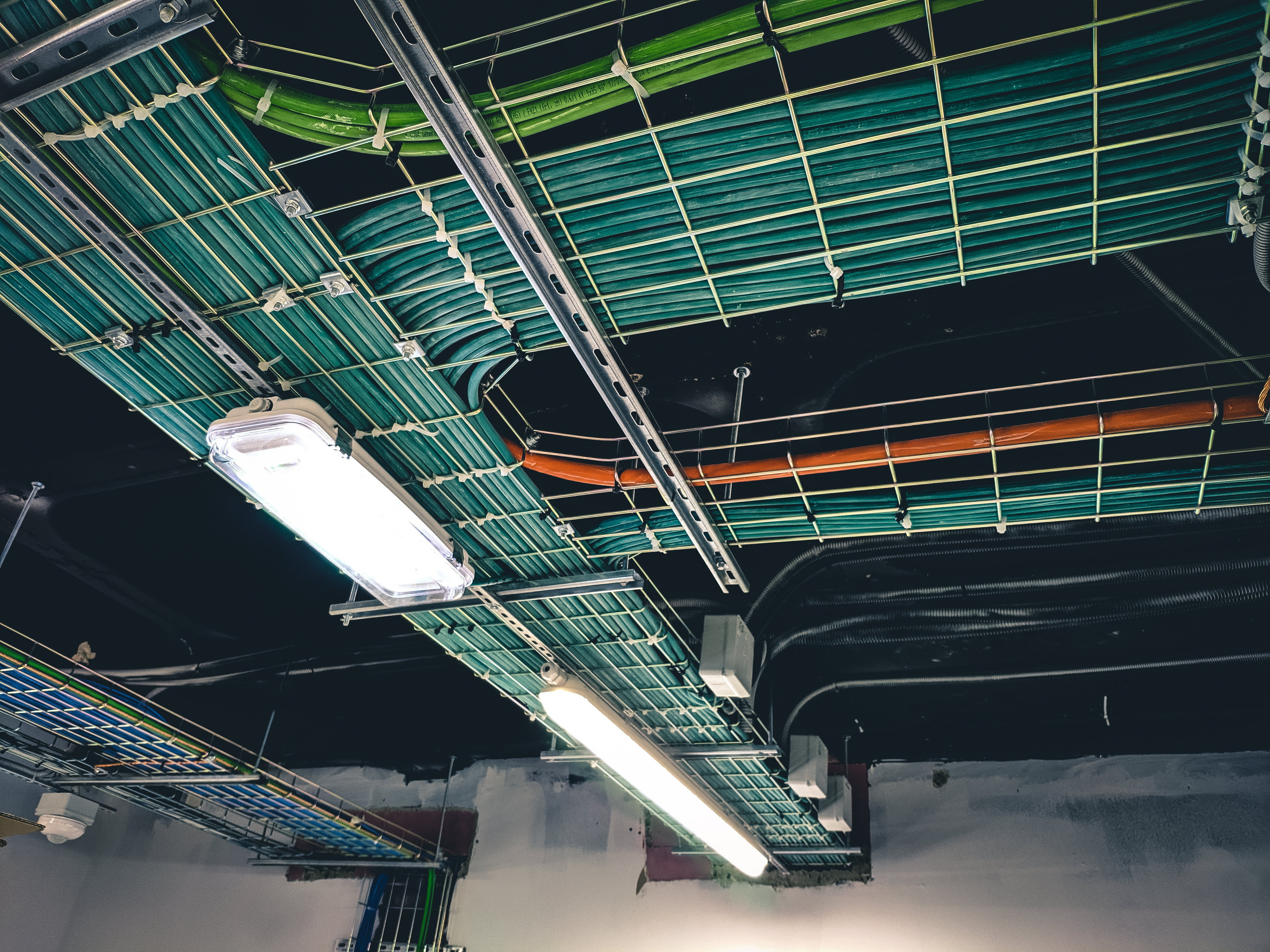
Integrating HVAC systems into home theater designs presents unique challenges that can impact both comfort and system performance.
Acoustic Planning for Comfort
To achieve a perfect sound environment in your theater, you need to manage unwanted noise from HVAC systems. It’s crucial to consider how sound travels through ducts and into your space. Use strategies such as sound baffles and special duct linings to reduce noise.
Imagine sitting in your home theater, and just as your favorite movie scene approaches, a loud hum distracts you. That’s what happens with poor acoustic planning. By planning effectively, you ensure that sound from the HVAC system doesn’t ruin your viewing experience.
The right materials and layout can make a significant difference. For instance, installing flexible duct sections can minimize noise transmission. These small changes ensure you enjoy your movies without disruptive background sounds.
Vibration Control Techniques
Vibration from HVAC units can easily transfer through building structures, affecting your theater’s audio quality. To counter this, it’s essential to implement specific techniques.
One effective method is using isolators. These devices absorb vibrations before they reach the structure. Consider them as shock absorbers for your system. They ensure that mechanical vibrations don’t travel through your walls and floors.
Another technique is to decouple the HVAC equipment from the main structure. This involves using rubber mounts or springs. By doing so, you prevent vibrations from causing unwanted noise or structural issues in your theater.
Solutions for System Reliability
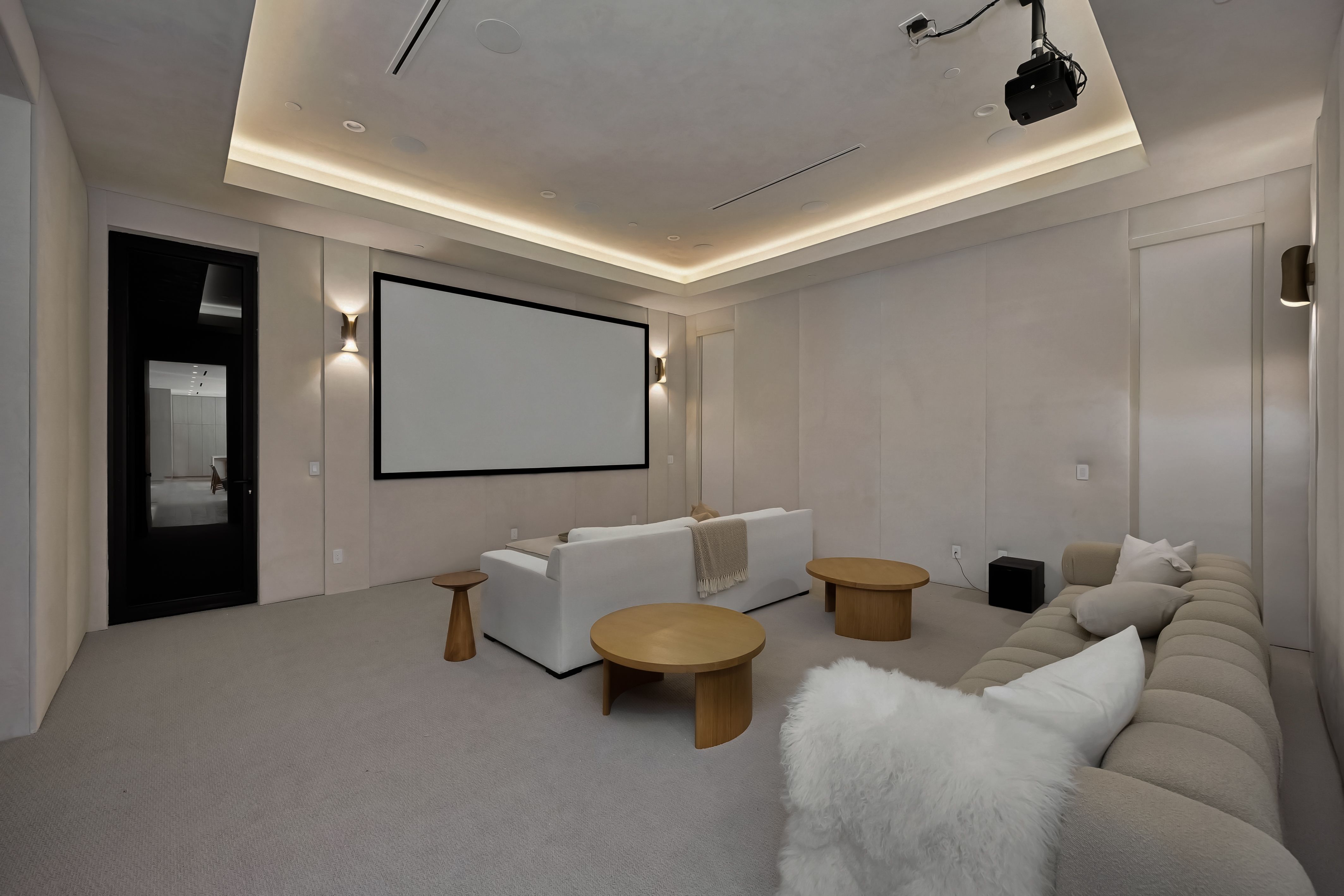
Beyond comfort, ensuring that your HVAC system operates reliably is critical for maintaining a high-performing home theater.
Engineering-Driven Approaches
Reliable systems come from precise engineering. By focusing on engineering principles, you can avoid common pitfalls. Engaging engineers early in the design phase helps anticipate and solve potential issues.
Engineers use advanced software to predict airflow and temperature distribution. This foresight allows for accurate system sizing, ensuring efficiency and longevity. By leveraging these insights, you save yourself from future hassles and repairs.
Additionally, engineers can recommend specific materials and technologies that suit your theater’s unique requirements. These tailored solutions ensure that your system runs smoothly over the years.
Technical Consultancy Benefits
Seeking technical consultancy provides a safety net for your project. Consultants bring industry experience and specific insights that guide you through the complexities of integration.
A consultant will conduct thorough assessments, identifying potential problems before they manifest. This proactive approach means fewer surprises and more control over your project’s outcome.
With their guidance, you can confidently make decisions, knowing they’re backed by technical expertise. This assurance translates into a theater that works reliably and as intended.
Best Practices for Home Cinema Design
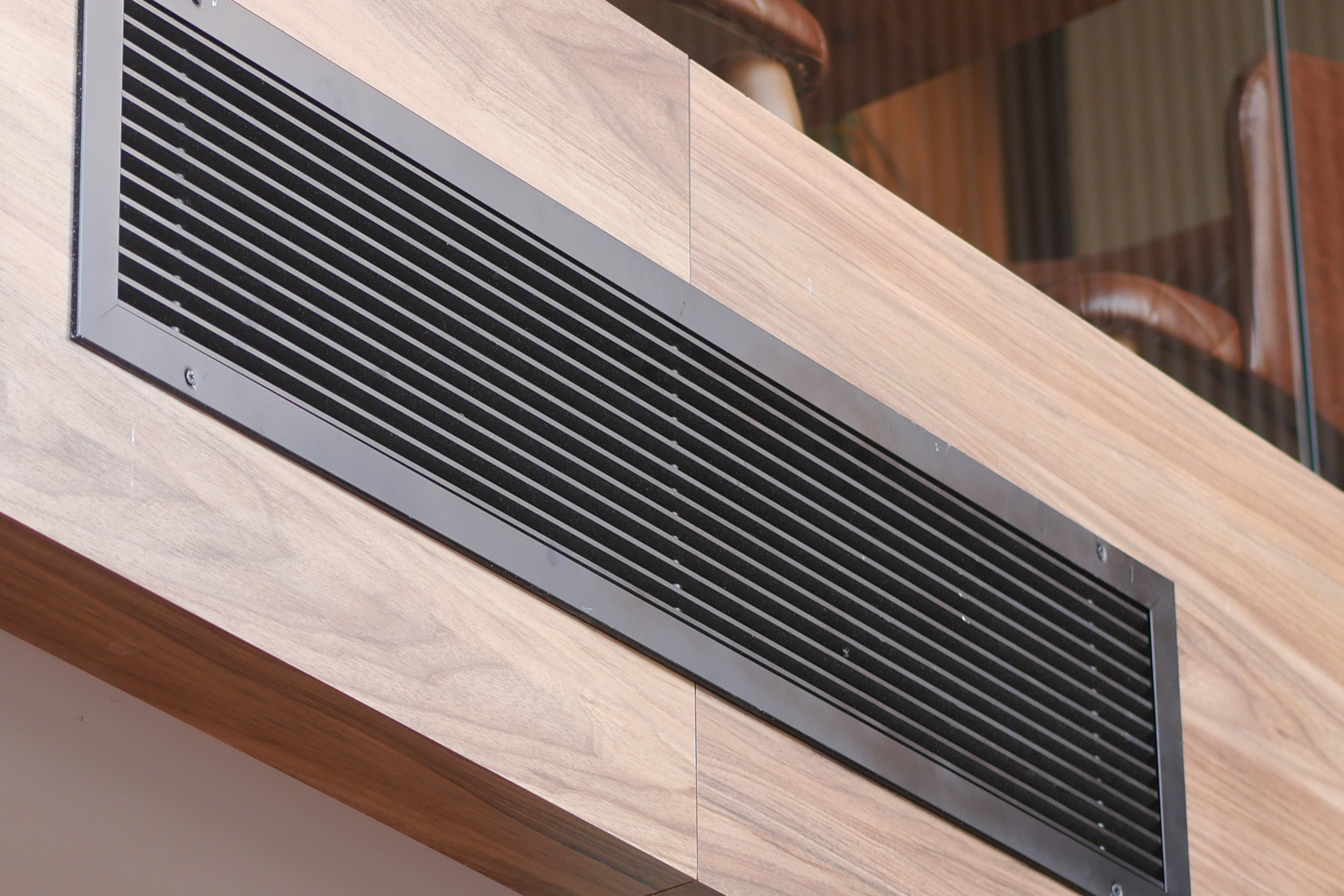
When planning a home cinema in UAE residential projects, specific best practices ensure lasting performance and satisfaction.
Planning in UAE Residential Projects
In the UAE, unique environmental factors must be considered. High temperatures and humidity levels demand robust HVAC solutions.
Begin by analyzing your space and identifying potential challenges. This includes considering local climate conditions and how they affect cooling needs. Proper planning ensures that your system can handle peak loads without faltering.
Coordinate with architects and MEP professionals to ensure your HVAC system integrates harmoniously with other building elements. This team effort helps avoid design conflicts that could compromise your theater’s performance.
Ensuring Long-Term Performance
For a theater that stands the test of time, focus on durability and maintenance. Choose materials and components known for their longevity.
Regular system checks and maintenance routines are vital. Schedule periodic inspections to catch minor issues before they escalate. This proactive care extends your system’s life and maintains optimal performance.
By following these practices, your home theater remains a source of enjoyment and pride for years to come. Invest in quality planning and execution to realize a cinema experience that meets your expectations and more.


