
Why Mechanical Noise Requires Physical Solutions, Not Calibration
Mechanical noise control cannot be solved by software tweaks or AV calibration limits. HVAC noise in home cinema and structure-borne vibration require physical design measures like spring hangers, resilient channels, and duct velocity and lining adjustments. Without addressing these fundamentals early, your background noise floor will never meet NC-20 cinema standards. This post explains why physical solutions matter and what steps you need to take for quiet, reliable villa cinema design in the UAE.
Mechanical Noise Control Essentials
Understanding and addressing mechanical noise is crucial for a seamless cinema experience. Let’s explore the essentials of controlling noise in high-end residential projects.
Understanding HVAC Noise in Home Cinema
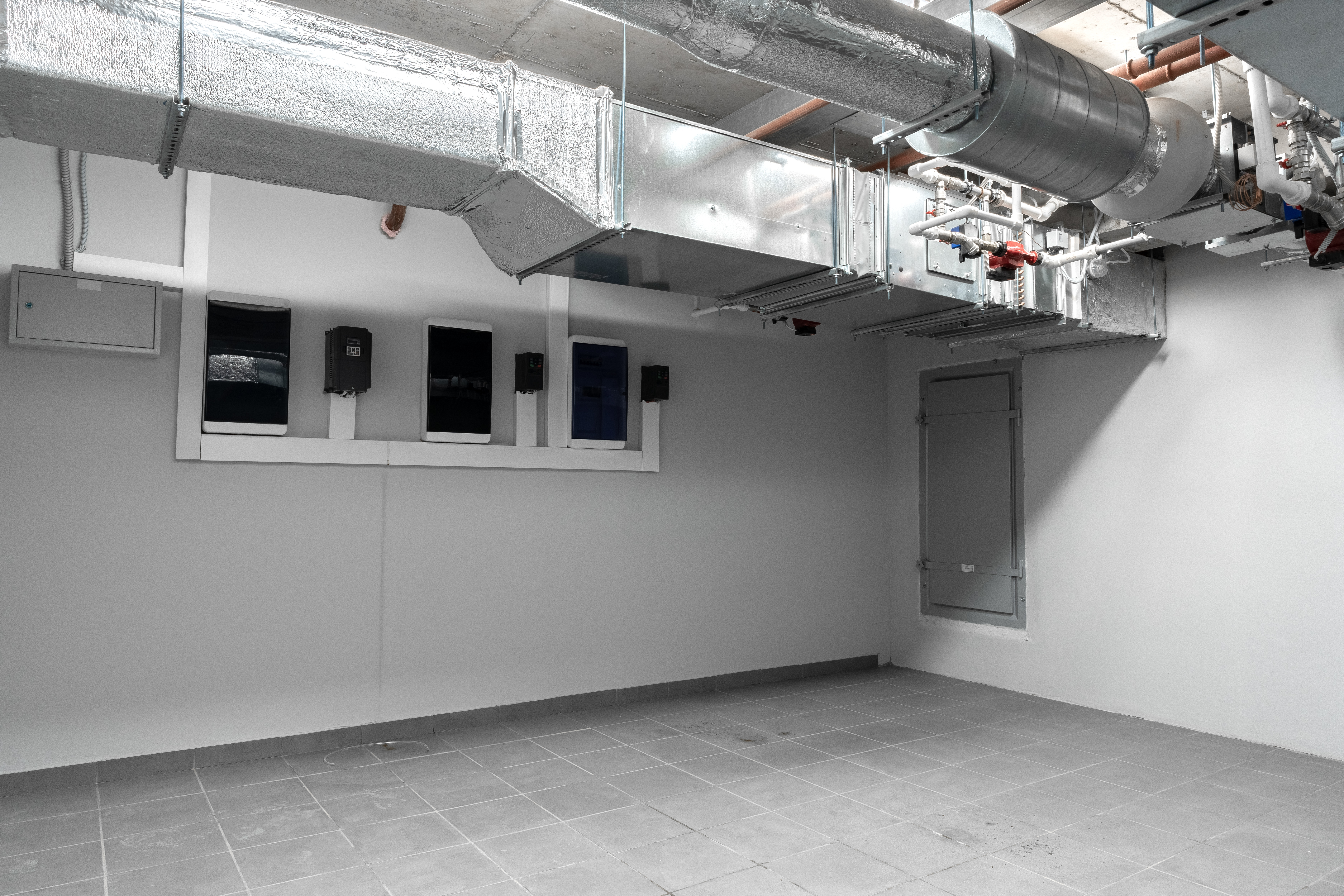
The hum of HVAC systems can disrupt your cinema experience. It’s not just about installing the latest tech; it’s about understanding how sound travels. HVAC systems can introduce unwanted noise that cannot be corrected with simple software adjustments. Imagine sitting in your cinema, the film’s quietest scenes marred by the low hum of air conditioning. This isn’t just annoying; it disrupts the entire experience.
To manage HVAC noise in home cinema, focus on the physical aspects. Consider duct placement and insulation. The goal is to minimize noise without compromising air quality. Proper duct design ensures that air flows smoothly, reducing turbulence and noise. Lining the ducts with sound-absorbing materials can further dampen sound. Addressing these aspects early in the construction phase is critical.
Addressing Structure-Borne Vibration
Structure-borne vibration is a silent disruptor. It travels through walls, floors, and ceilings, causing unwanted noise and vibration. These vibrations are often mistaken for electronic issues, but they are deeply rooted in the building’s structure. The challenge lies in identifying these paths and isolating them effectively.
By focusing on structure-borne vibration, you can prevent these issues from arising. Use materials like resilient mounts and isolation pads to absorb vibrations before they spread through the building. This approach not only quiets your cinema but also protects the integrity of your structure. Making these decisions early is key to preventing costly mistakes later.
Physical Design Solutions
Now that we understand the basics of noise control, let’s dive into the physical solutions that address these issues head-on.
Designing the Projector Hush Box
A noisy projector can ruin your cinema experience. Enter the projector hush box, a simple yet effective solution. This box encases the projector, muffling its noise while ensuring proper ventilation. Soundproof materials inside the box absorb the noise, keeping your cinema quiet.
The design of the hush box is crucial. It must allow air to circulate to prevent overheating, yet be airtight enough to block noise. Properly designed, it becomes an essential part of your cinema, blending in while maintaining silence. Consider this a small investment with high returns in terms of audio clarity.
Effective Duct Velocity and Lining
Ducts are more than just air pathways; they’re potential noise conduits. Managing duct velocity and lining is essential. Fast-moving air can create noise, disrupting the cinema’s atmosphere. To combat this, ensure your ducts are adequately sized for your HVAC system. Slower air movement results in less noise, creating a calm environment.
Lining ducts with sound-absorbing materials further reduces noise. These materials trap sound within the ducts, preventing it from spreading throughout the room. This step is often overlooked, yet it’s a critical component of noise control. It’s about creating a space where the only sounds are those you want to hear.
Vibration Isolation Techniques
Physical solutions are indispensable in controlling noise. Let’s look at techniques to isolate vibrations effectively.
Implementing Spring Hangers and Pads
Spring hangers and pads play a pivotal role in vibration isolation. These devices are designed to absorb and dissipate energy, preventing it from traveling through your building’s structure. When installed correctly, they can significantly reduce vibrations from mechanical systems and equipment.
Using spring hangers under heavy equipment, like HVAC units, isolates vibrations. Similarly, pads placed under machinery can dampen vibrations before they transfer to the structure. The result is a quieter, more stable environment. This approach is proactive, addressing potential issues before they become problems.
Acoustic Sealing and Quiet Ventilation Design
Finally, we turn to acoustic sealing and quiet ventilation design. Acoustic sealing involves closing gaps around doors, windows, and other openings. This prevents sound from leaking in or out, maintaining the cinema’s acoustic integrity. Specialized seals and gaskets can block noise effectively, ensuring your cinema stays quiet.
Quiet ventilation design is equally important. By integrating noise-reducing features into your ventilation system, you can maintain air quality without compromising on sound. This might include using quieter fans or integrating sound baffles. Together, these strategies ensure a peaceful cinema environment, free from noise distractions.
In conclusion, achieving a quiet, reliable villa cinema goes beyond technology. It’s about making informed decisions early, focusing on physical solutions, and understanding how different systems interact. By addressing mechanical noise at its source, you create a space that’s both technically sound and enjoyable for years to come.

