

The Impact of Conduit Material on Vibration and Noise Control in High-End AV Systems
Most AV system noise problems trace back to overlooked conduit materials. When vibration control isn’t factored into material selection, your system risks persistent hums and rattles that can undermine years of careful design. This guide explains how choosing the right conduit materials influences noise control in AV systems, safeguarding system reliability in high-end residential projects.
Understanding Conduit Materials

Choosing the right conduit materials is a critical step in ensuring the reliability of AV systems. It often begins with understanding the types and properties of these materials.
Types of Conduit Materials
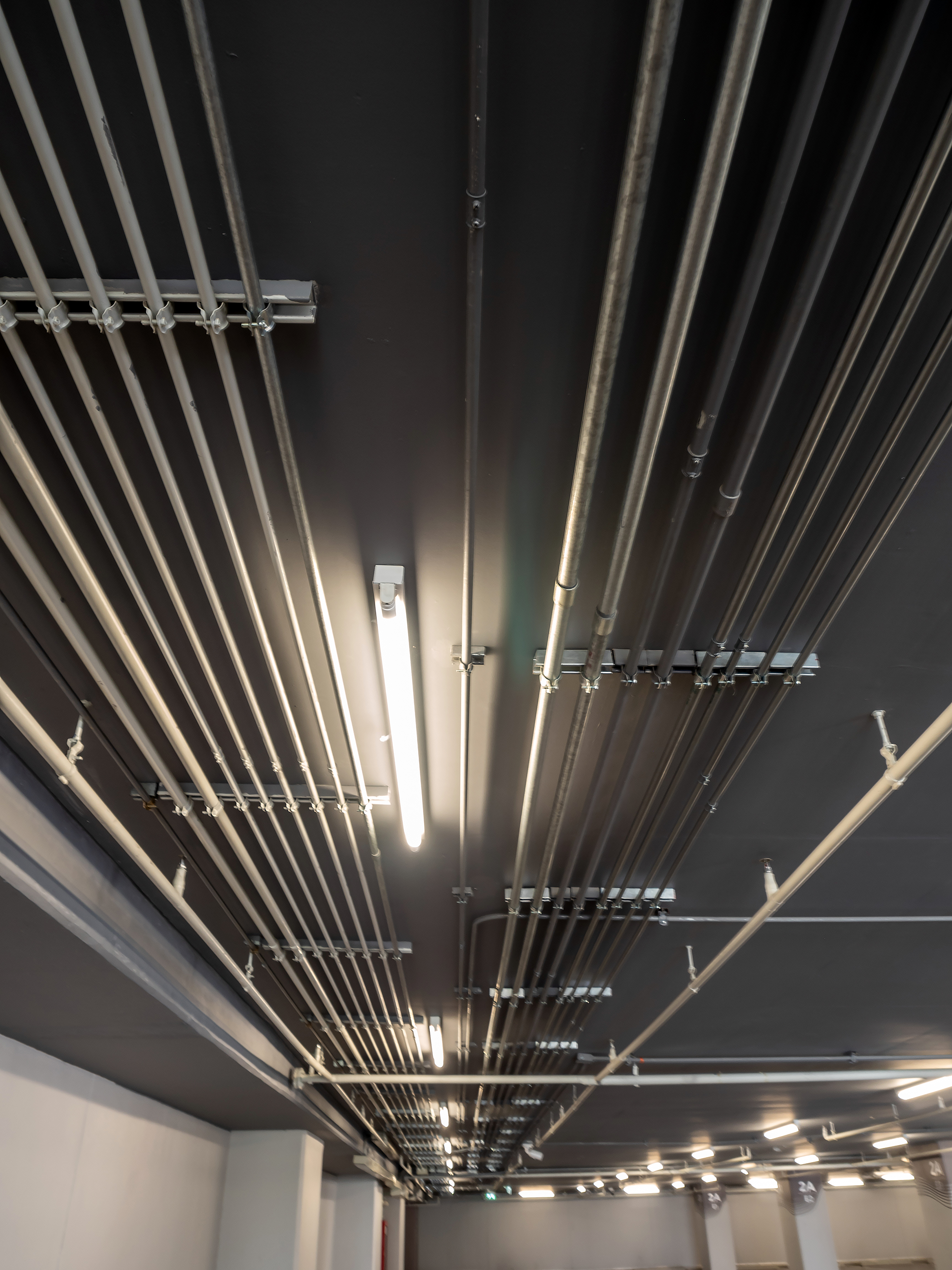
Conduit materials can vary significantly, each with its own set of advantages and limitations. Metal conduits, like galvanized steel, are commonly used due to their strength. However, they can act as conduits for vibration, transferring unwanted noise throughout the system. Plastic conduits, such as PVC, provide a lighter alternative and can help mitigate these issues by reducing vibration transfer. The choice between these materials should consider the specific requirements of your project, especially in vibration-sensitive zones.
For example, if your project involves areas prone to structural vibration, opting for PVC conduits may be beneficial. This can help in preventing the transfer of structural noise, a common culprit in high-end AV setups. As you weigh these options, remember that choosing the right material can prevent costly noise issues down the line.
Material Properties and Effects
The properties of conduit materials directly affect their performance in noise control. Metal conduits have high durability but can amplify vibrations if not isolated properly. They may resonate at certain frequencies, causing audible hums in your AV system. Plastic conduits, on the other hand, offer better insulation against vibration. They are less likely to transmit structural noise, which is crucial in maintaining system reliability.
An example of this can be seen in cinema rooms, where using plastic conduits has effectively minimized unwanted noise interference. This decision often results in clearer sound reproduction and a more immersive experience. When planning your AV system, understanding these material properties ensures that your investment in high-end equipment is not compromised by avoidable noise issues.
Vibration and Noise in AV Systems
With conduit materials in mind, let’s explore how vibration and noise impact your AV systems. The reliability of these systems is crucial, especially in high-end residential projects.
Impact on System Reliability
Vibration and noise can severely affect the performance of AV systems. Unchecked vibrations can lead to persistent hums and rattles, which degrade audio quality. System reliability becomes compromised when these issues persist, frustrating users and potentially leading to costly repairs. In high-end residential projects, where quality is paramount, addressing these issues at the planning stage is essential.
Consider a high-end cinema room where unchecked vibrations were causing interference. By addressing the conduit material and routing, the project team significantly improved the audio clarity. This proactive approach ensured the system operated as intended, reinforcing the importance of early planning in minimizing noise issues.
Engineering Foresight and Planning
Effective planning is key to preventing noise issues in AV systems. This involves foresight in selecting the right materials and understanding how they interact with the environment. Engineering foresight allows you to anticipate potential problems and develop strategies to mitigate them. This includes coordinating with architects and MEP professionals to ensure that all elements work harmoniously.
For instance, in a recent project, early involvement of the AV team helped identify and resolve potential vibration paths. This collaboration resulted in a system that delivered outstanding performance, proving that foresight is a valuable tool in achieving long-term system reliability.
Choosing the Right Conduit
With a better understanding of vibration and noise, selecting the appropriate conduit becomes clearer. Considerations specific to residential projects can guide this decision.
Key Considerations for Residential Projects
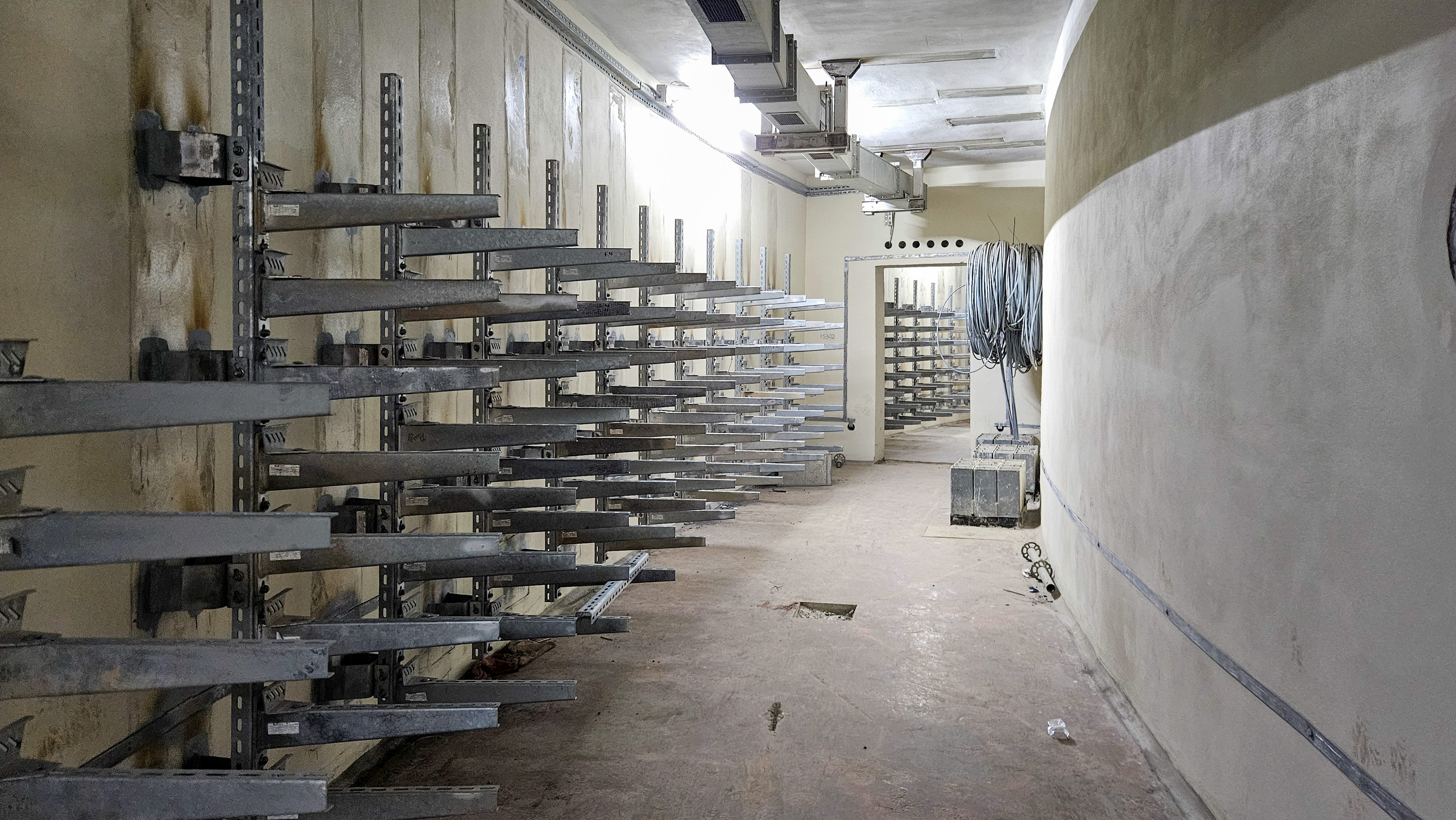
When choosing conduit materials for residential projects, several factors should be considered. Project-specific needs will often dictate whether metal or plastic conduits are more suitable. Acoustic requirements, structural elements, and the presence of vibration-sensitive equipment can all influence your decision.
A practical approach is to evaluate the conduit environment. Will it need to withstand high temperatures? Is it located near vibration sources like subwoofers? Addressing these questions ensures that your choice aligns with the project’s unique demands. This careful planning can prevent noise issues and maintain the integrity of your system.
Long-term Benefits of Proper Selection
Selecting the right conduit material transcends immediate project needs. It offers long-term benefits by preventing noise and vibration issues, reducing maintenance costs, and ensuring consistent performance. Proper selection enhances the overall experience in high-end AV systems, allowing users to enjoy the full potential of their investment.
In conclusion, thoughtful conduit selection is a cornerstone of successful AV installations. By prioritizing the right materials, you safeguard system reliability and deliver an experience that stands the test of time.


