
Testing and Commissioning Protocols for Private Cinemas: How to Prove Performance Before Handover
Most private cinemas in UAE villas fail to meet expectations because testing and commissioning happen too late or lack clear criteria. Without a structured AV commissioning protocol, costly rework and performance issues are common after handover. This post lays out how to prove your private cinema’s performance through disciplined home cinema testing UAE, ensuring measurable acceptance criteria and coordinated checks before walls close.
Defining Responsibilities in Cinema Commissioning
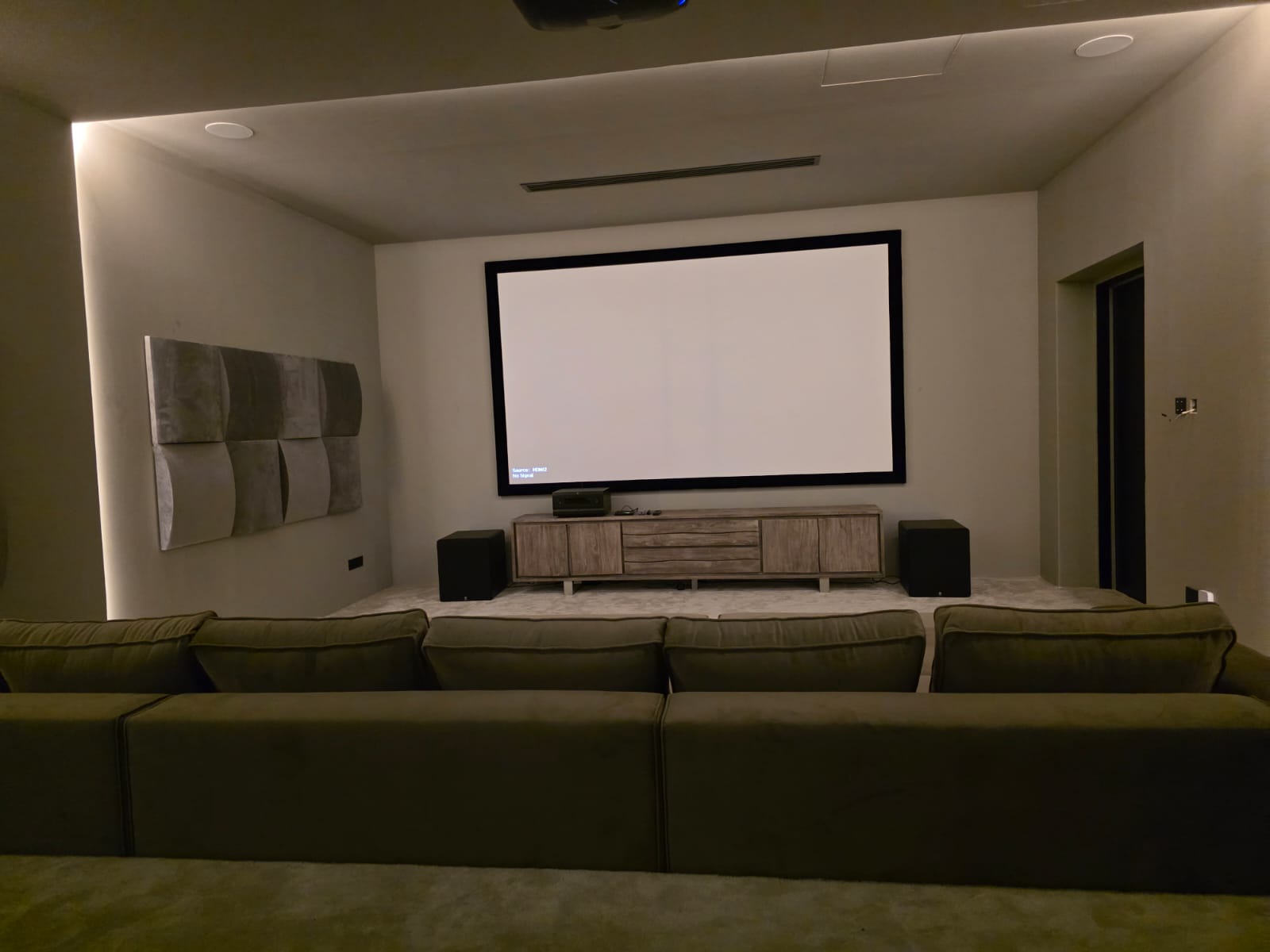
In private cinema projects, having a clear understanding of roles is key to avoiding costly mistakes. Let’s explore who should be doing what to ensure your cinema’s seamless performance.
Roles of Key Stakeholders
Every successful project starts with a team that knows its responsibilities inside out. In cinema commissioning, this includes the property owner, project manager, and AV consultants. You, as the property owner, should focus on understanding your project’s goals and ensuring the team aligns with them. Project managers, on the other hand, need to coordinate timelines and resources effectively. AV consultants bring the technical expertise, ensuring every piece of equipment functions as intended.
Here’s the key insight: without clear roles, projects risk delays and errors. Imagine trying to fit a jigsaw puzzle where no one knows which pieces they hold. It’s chaotic and inefficient. Clear role definition prevents this chaos.
Coordination with MEP and Contractors
The interplay between AV systems, mechanical, electrical, and plumbing setups often determines a project’s success. MEP consultants must ensure that their systems don’t interfere with audiovisual components. For instance, HVAC systems should operate silently to avoid disrupting the cinema audio. Similarly, electrical setups need to guarantee smooth power delivery without interference.
Contractors, meanwhile, must integrate this coordination into their construction plans. Think of them as the orchestra, ensuring that every note (or system) plays harmoniously together. Without such coordination, even the most advanced systems can fall short, leading to rework and cost overruns.
Verification Steps and Acceptance Criteria
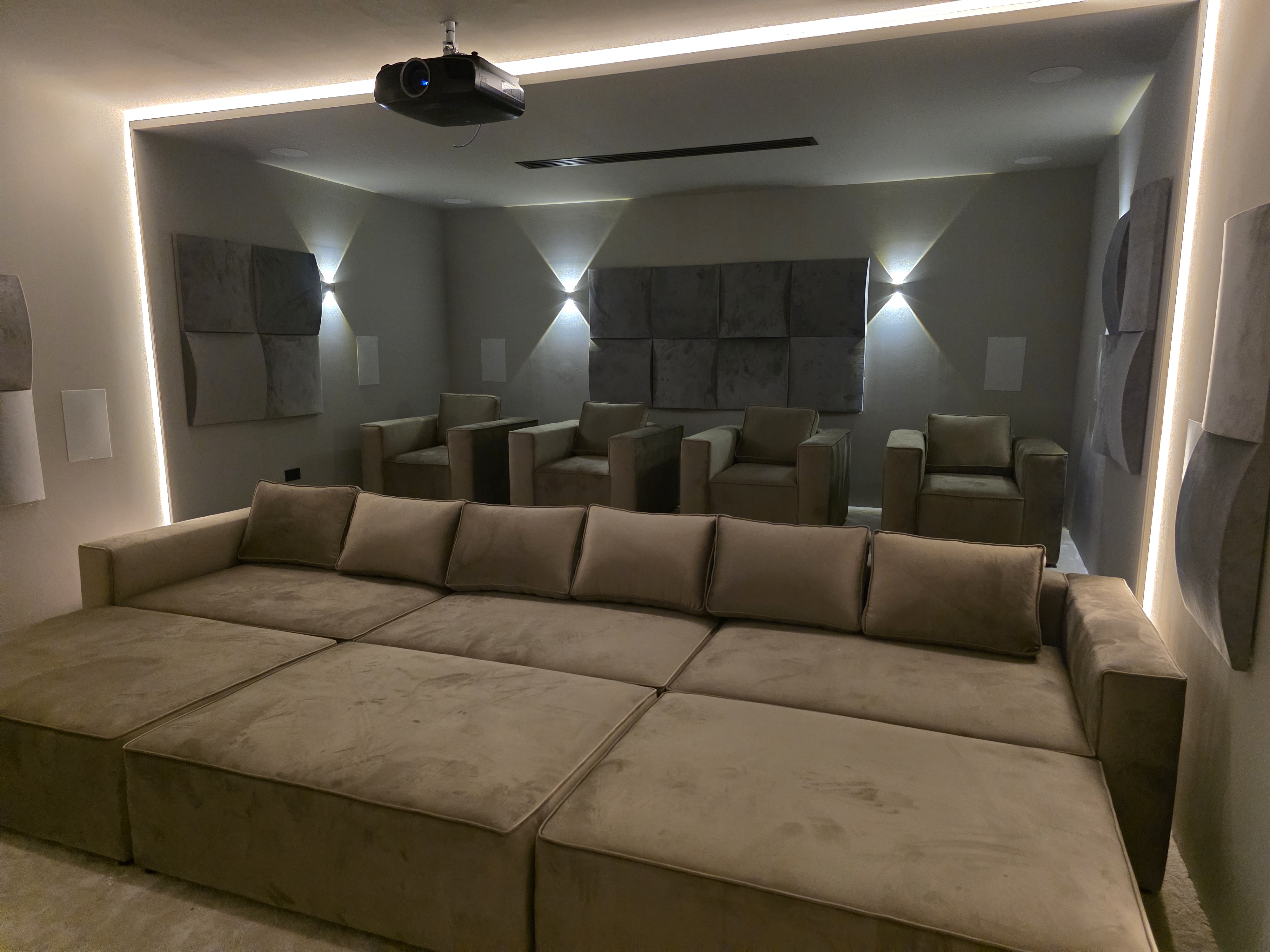
To ensure your private cinema meets expectations, meticulous verification at every stage is vital. Let’s delve into the checks and balances that prevent future headaches.
Power Grounding and HVAC Noise Control
Power grounding is essential to prevent disruptions in your cinema’s performance. A misstep here can lead to unexpected power surges or equipment failure. Ensure that grounding is verified during the construction phase to avoid these pitfalls. Listening to your cinema should be an immersive experience, free from buzzes or hums.
Speaking of sound, HVAC systems often introduce unwanted noise. It’s crucial to design ductwork that minimizes sound transmission into your cinema space. A well-planned layout can prevent noise from overshadowing your cinematic experience.
Common assumption: many believe HVAC noise is inevitable. But with precise planning, silence can indeed be golden.
Acoustic Calibration and System Tuning
Sound is the heart of any cinema experience. Acoustic calibration ensures that every note and whisper is heard as intended. By adjusting speaker placements and room acoustics, you can create an environment where sound flows naturally.
System tuning takes this a step further, refining audio and visual output for the perfect balance. This involves testing equipment under real conditions, adjusting settings for optimal clarity and depth. It’s the difference between hearing a movie and experiencing it.
Here’s your takeaway: Proper tuning transforms your cinema from just a room with speakers to an immersive experience.
Documentation and Handover Protocols
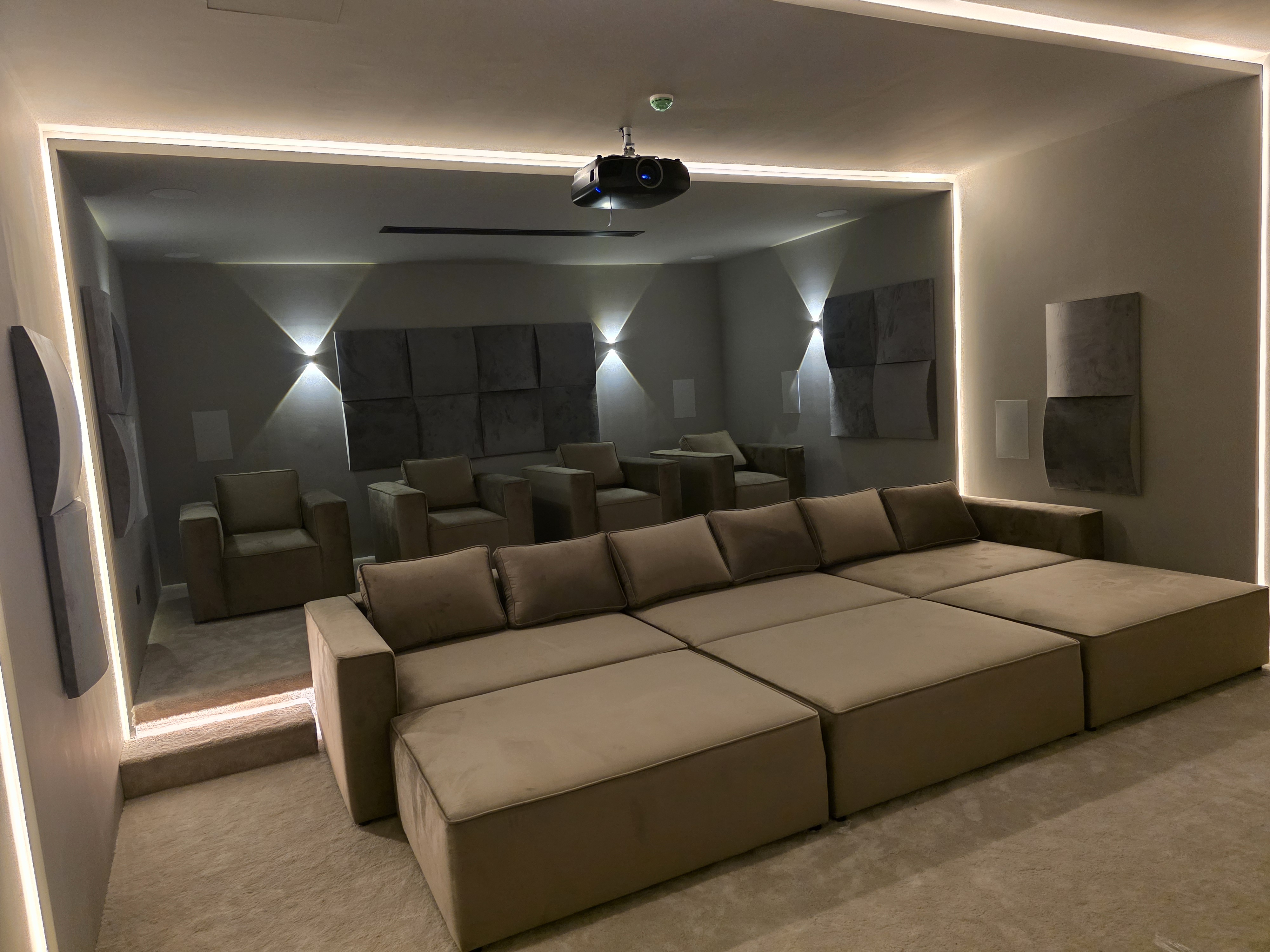
As your project nears completion, proper documentation ensures continuity and prevents future issues. Let’s uncover the protocols that solidify your cinema’s long-term success.
Measurement Reporting and Sign-Offs
Documentation is your project’s roadmap, capturing every detail from measurements to final adjustments. Clear reports provide a reference for future maintenance or upgrades. They also serve as proof that the system meets predefined criteria.
Sign-offs are equally important, marking the formal acceptance of each component. This step confirms that everything works as intended before the project wraps up. It’s like checking every item off a list before closing a suitcase, ensuring nothing’s forgotten.
Preventing Rework and Ensuring Long-Term Performance
The final step in your project is ensuring it stands the test of time. Preventing rework begins with thorough testing and documentation. By identifying potential issues upfront, you avoid costly fixes down the line.
Consider this: a cinema that requires frequent repairs disrupts enjoyment and can lead to frustration. Proper protocols ensure that your cinema not only performs well initially but continues to do so for years.
In summary, while projects may seem complex, focusing on structured processes and clear responsibilities ensures a cinema that not only meets but exceeds expectations. By adhering to these protocols, you protect your investment and enjoy a seamless cinematic experience in your UAE villa.


