
Structure-Borne Vibration in Private Cinemas: Causes, Consequences, and Prevention
Structure-borne vibration in home cinemas is more than an annoyance; it threatens the integrity of your entire system. Left unchecked, it leads to costly rework and compromises long-term performance. This post outlines how to identify vibration sources and coordinate architectural, MEP, and structural solutions to protect your villa home cinema design from day one.
Understanding Structure-Borne Vibration

When you set out to design a home cinema, understanding the sources of vibration becomes crucial. Without this insight, you might face issues that could have been easily avoided.
Causes of Home Cinema Vibration
Home cinema vibrations often originate from structural connections and sound equipment. Rigid connections between floors, walls, and ceilings can transmit low-frequency sounds. Subwoofers, if not isolated, can also cause vibrations. Common causes include:
-
Direct connections: Risers or stages fixed directly to slabs.
-
Improper conduit use: Metal conduits acting as bridges for vibrations.
-
Loose elements: Unsecured materials in ceilings or walls.
Imagine a cinema room where the bass hits and everything shakes. This isn’t just annoying; it affects the entire experience. Soundproofing isn’t about blocking noise; it’s about managing the vibrations that cause it.
Impact on Sound Quality and Structure
The effect of vibrations goes beyond sound. It can compromise structural integrity, leading to costly repairs. Poor sound quality is often the first sign. It manifests in rattles or buzzing noises during specific bass notes.
Vibrations can also lead to mechanical stress on structural elements. Over time, this might cause damage, requiring rework. The financial implications are clear. Fixing structural issues post-construction is far more expensive than addressing them early.
Identifying Vibration Sources
Pinpointing the sources of vibration requires a detailed review. Start with a simple test: play a range of bass frequencies and listen for changes. Follow these steps:
-
Inspect connections: Check for any direct mechanical paths.
-
Review materials: Ensure there are no metal-to-concrete contacts.
-
Test equipment placement: Confirm subwoofers and speakers are properly isolated.
Here’s the key insight: Most people overlook how small connection points can become significant vibration sources. But with a focused review, you can identify and address these early.
Designing for Vibration Control
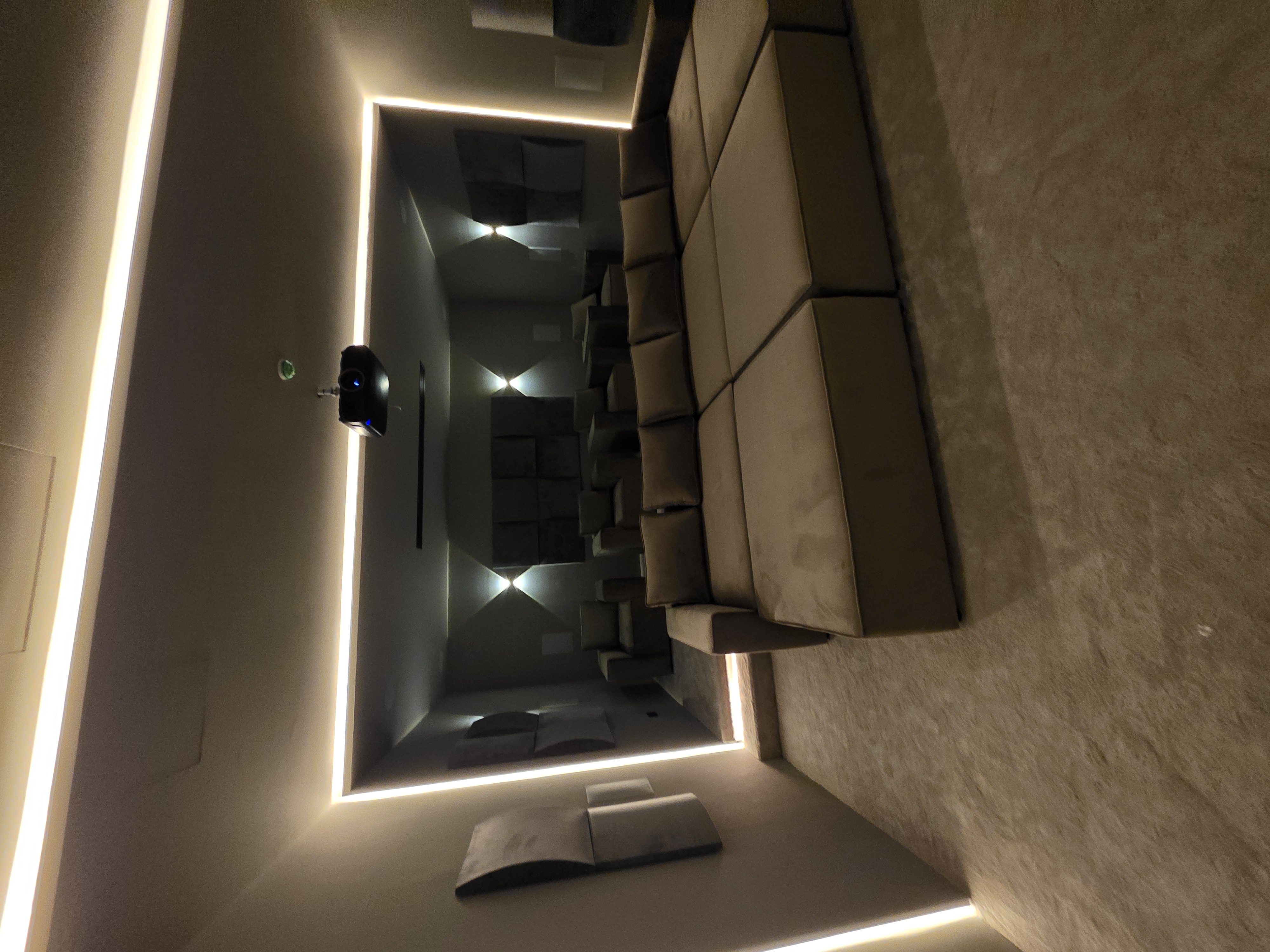
With a firm grasp on the problem, you can now explore effective design strategies to mitigate vibration. This requires thoughtful planning and coordination among all stakeholders involved in the project.
Decoupling Strategies for Cinemas
Decoupling involves separating structural elements to prevent vibration transfer. Implement this through:
-
Floating floor assemblies: These reduce direct contact with subwoofers.
-
Isolated stud walls: They minimize sound travel through walls.
-
Resilient ceiling systems: These prevent ceiling vibrations.
Picture a room where the floor seems to float. This isn’t magic; it’s engineering. By decoupling, you ensure that vibrations don’t pass from one element to another. This strategy is not only effective but essential.
Importance of Mechanical Isolation
Mechanical isolation is about using materials to absorb vibrations. This can involve:
-
Rubber mounts: These isolate equipment from the structure.
-
Neoprene layers: Placed between structural elements to absorb vibrations.
Mechanical isolation acts like a buffer, absorbing the energy that would otherwise travel through your home. It’s a simple solution with profound effects, reducing vibration and improving sound quality.
Coordination Across Design Teams
Successful vibration control requires coordination across architectural, MEP, and structural teams. Ensure:
-
Clear communication: Keep all parties informed about design considerations.
-
Technical oversight: Have a dedicated expert review all plans for potential vibration issues.
This isn’t just about planning; it’s about collaboration. When teams work together, they can avert issues before they arise. Remember, most people think planning ends with blueprints, but real success lies in execution.
Implementing Vibration Prevention
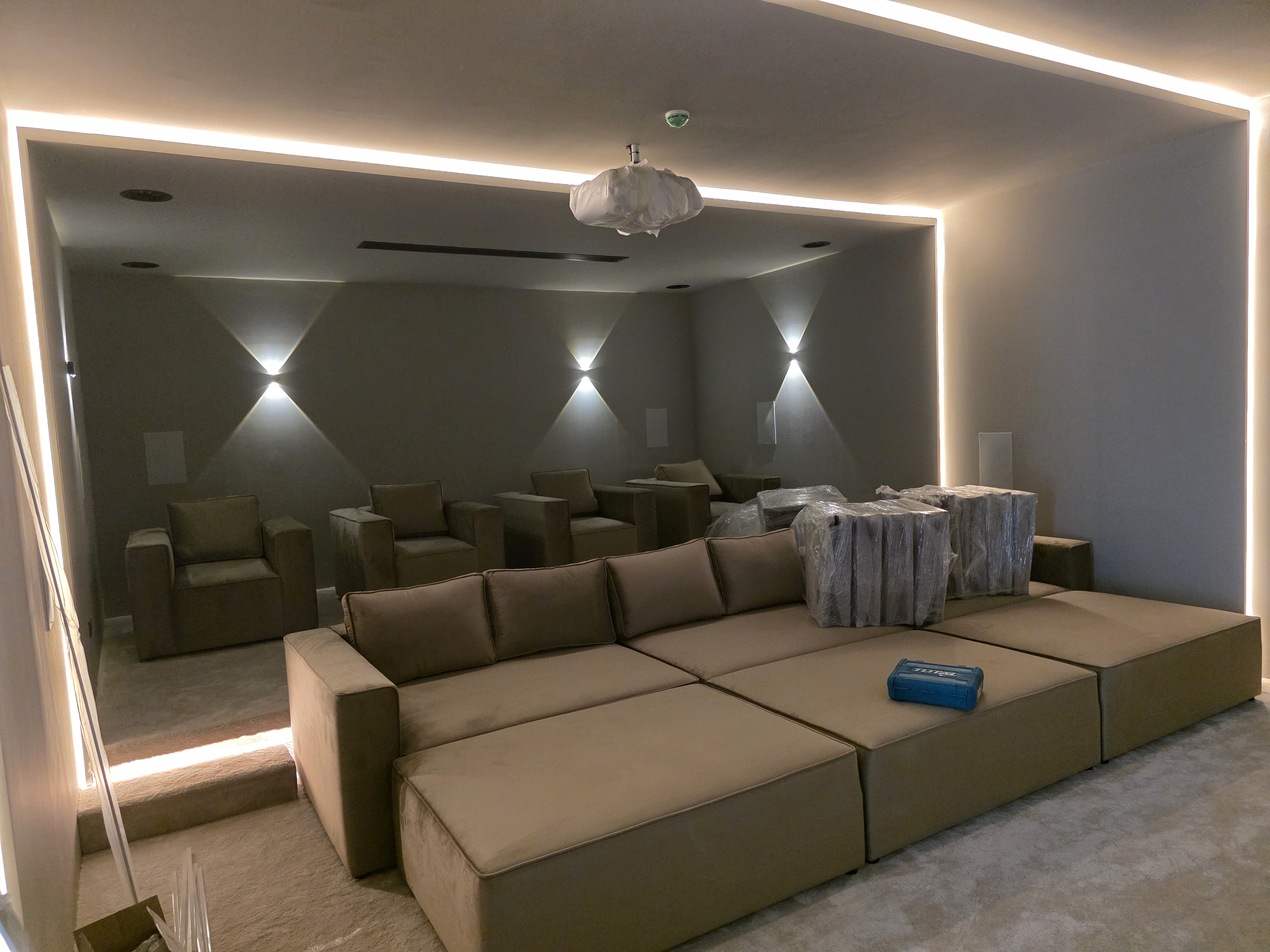
With the design stage complete, the next step is implementing your strategies. This involves a thorough review and precise execution to ensure lasting results.
Conducting a Vibration Risk Review
Before construction begins, conduct a detailed vibration risk review. This involves:
-
Testing: Identify any potential issues early.
-
Feedback loop: Use findings to refine design strategies.
A vibration risk review acts as a safety net. It’s your last chance to catch potential problems before they become costly mistakes.
Effective Use of Isolation Techniques
Implementing isolation techniques requires careful attention to detail. Ensure:
-
Correct installation: Follow guidelines for installing isolation materials.
-
Continuous monitoring: Regularly check that isolation remains effective.
Here’s where many projects fall short. Most people assume installation is a one-time task. But continuous monitoring ensures your system maintains its performance over time.
Documentation and Responsibility Allocation
Finally, ensure all steps are documented and responsibilities are clear. This includes:
-
Detailed records: Document every decision and why it was made.
-
Clear roles: Assign accountability to specific individuals for ongoing maintenance.
Documentation isn’t just about paperwork; it’s about accountability. When roles and responsibilities are clear, you ensure that your home cinema’s performance is protected long after the project is complete.
By adopting these strategies, you can safeguard your investment and enjoy a cinema experience that meets the highest standards of quality and performance.
