

Structure‑Borne Vibration in Private Cinemas: Causes, Consequences, and Corrective Design
Structure-borne vibration quietly sabotages private cinema performance, turning carefully designed spaces into sources of noise and disturbance. Many luxury villas in the UAE face this hidden challenge because construction details and MEP coordination often overlook vibration pathways. Understanding common causes like HVAC vibration and flanking transmission is critical before closing walls and ceilings. This post explains how to identify, control, and eliminate these risks to protect your cinema’s sound quality and long-term value.
Understanding Structure-Borne Vibration
Private cinemas should offer an immersive experience, yet unseen vibrations are often the silent disruptors. Let’s explore how these vibrations impact the performance of your luxury cinema.
Impact on Private Cinema Performance
Imagine settling in to watch a movie only to be distracted by unexpected rattles and hums. These disturbances often originate from structure-borne vibrations, which travel through walls and ceilings. Such vibrations degrade the acoustic quality of your cinema, turning a high-quality audio system into a source of frustration. By identifying these issues early, you can prevent the need for costly rework later.
Common Construction Sources
Your cinema’s elegant design might hide several culprits of unwanted noise. HVAC systems can transmit vibrations through ductwork, while poorly isolated subwoofers shake the floors. Rigid connections between structural elements like risers and slabs allow vibrations to travel freely. Understanding these sources helps you address them proactively.
Identifying Flanking Paths
Vibration sneaks into your cinema through flanking paths. These are unintended routes that sound waves take, bypassing typical barriers. A common example is the connection between metal conduits and concrete slabs. Identifying these sneaky paths is crucial. Early detection allows you to seal them off, protecting your cinema’s sound integrity.
Engineering Solutions for Vibration Control
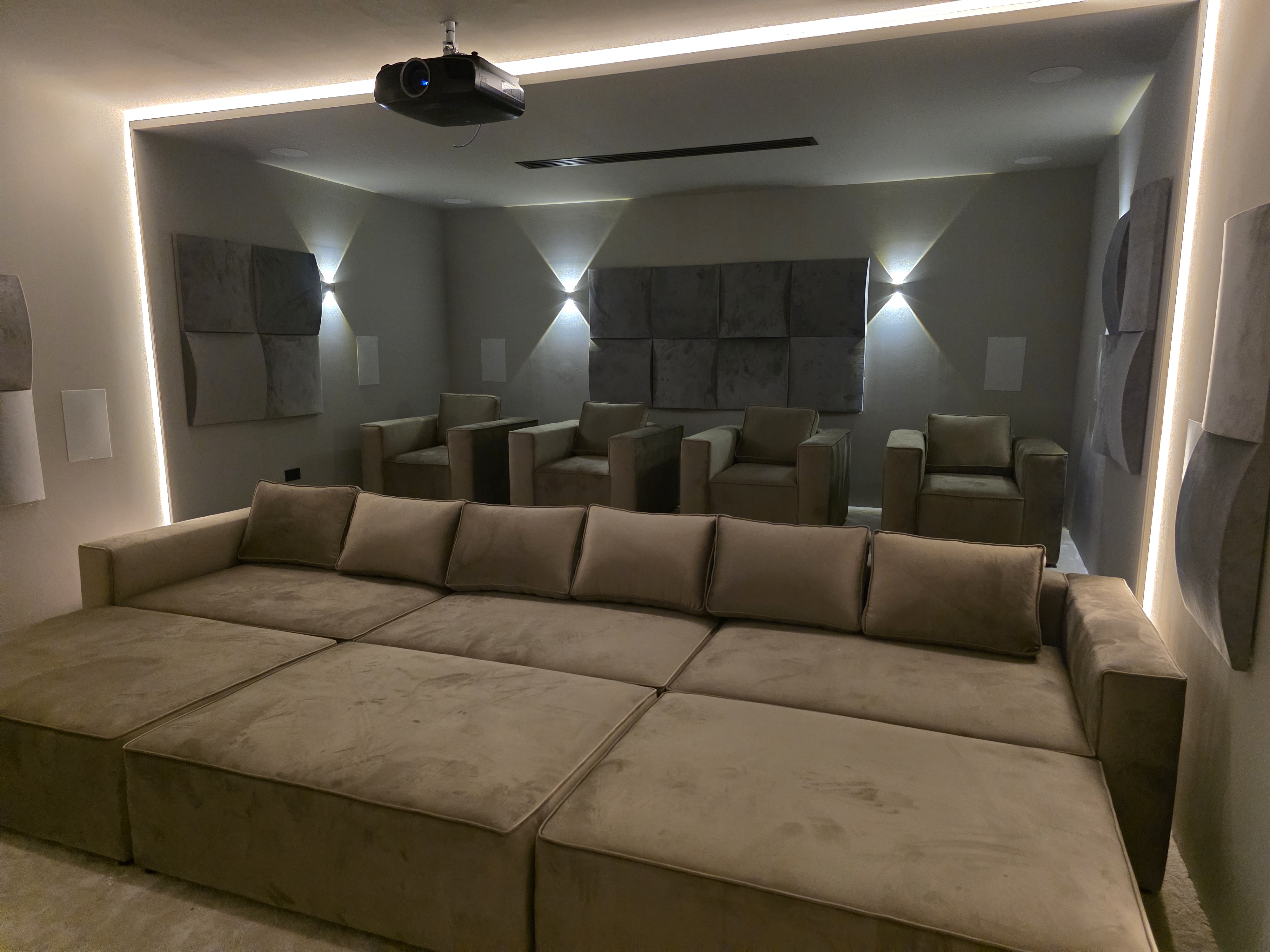
Addressing vibration issues requires targeted engineering strategies. Here, we delve into practical measures to safeguard your cinema’s performance.
Practical Isolation Strategies
Every cinema environment benefits from strategic isolation. Start by examining subwoofer placement. Use isolation platforms to prevent energy transfer to the floor. When planning construction, ensure resilient channels separate drywall from structural elements. These channels create a buffer, absorbing sound and preventing it from traveling through walls.
Importance of MEP Coordination
Coordination between mechanical, electrical, and plumbing (MEP) systems is often overlooked, yet it is crucial. Proper MEP coordination ensures that ducts and conduits are isolated from the cinema structure. This prevents HVAC vibration from becoming a persistent issue. Collaborative planning between these systems avoids unexpected noise and maintains your cinema’s peaceful ambiance.
Acoustic Decoupling Techniques
To further enhance your cinema, consider acoustic decoupling. This technique involves separating audio equipment from the building structure. For instance, using floating floor systems can dramatically reduce vibration transmission. By decoupling components, you minimize the risk of unwanted noise infiltrating your cinema space.
Ensuring Long-Term Cinema Performance
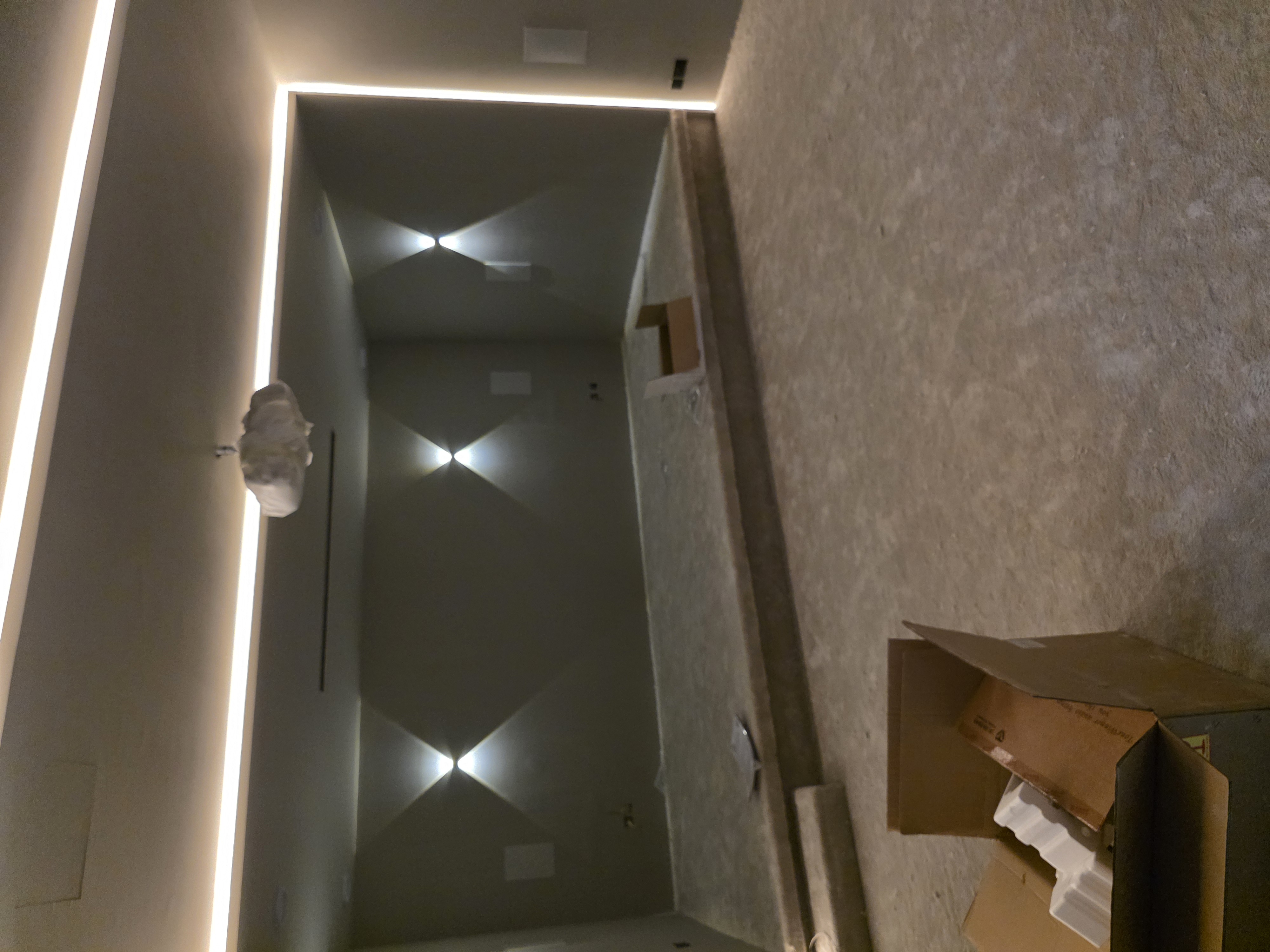
The goal is not just immediate results but sustained performance. Here’s how to maintain the quality of your cinema over time.
Pre-Construction Reviews
Before construction begins, conduct a thorough review. Evaluate plans for potential vibration issues. Are there flanking transmission risks? Is the cinema room design soundproofed properly? By addressing these questions in advance, you set the stage for a successful build that requires minimal alterations later.
Calibration and Final Checks
Once construction is complete, calibration ensures everything is in order. Fine-tune audio settings and conduct tests to identify any lingering mechanical issues. These checks confirm that all systems, from projector and rack isolation to grounding and noise control, are functioning as intended.
Protecting Investment in UAE Villas
For luxury villa owners in the UAE, protecting your investment means more than just installation. It involves ongoing vigilance. Regular maintenance and reviews ensure your cinema remains a source of enjoyment. By prioritizing cinema vibration control from the outset, you secure not only sound quality but also the long-term value of your property.
In summary, addressing structure-borne vibration before it becomes a problem preserves your cinema’s acoustic excellence and your peace of mind.

