
Quiet Air, Accurate Sound: How HVAC Design Determines Private Cinema Performance
HVAC noise in home theater spaces often goes unnoticed until it ruins the entire experience. You might have invested heavily in speakers and acoustic treatments, only to find the system compromised by poor airflow design and vibration issues. This post explains how precise home cinema HVAC design directly impacts private cinema acoustics in the UAE and outlines the critical steps to avoid costly mistakes before construction closes.
Impact of HVAC Design
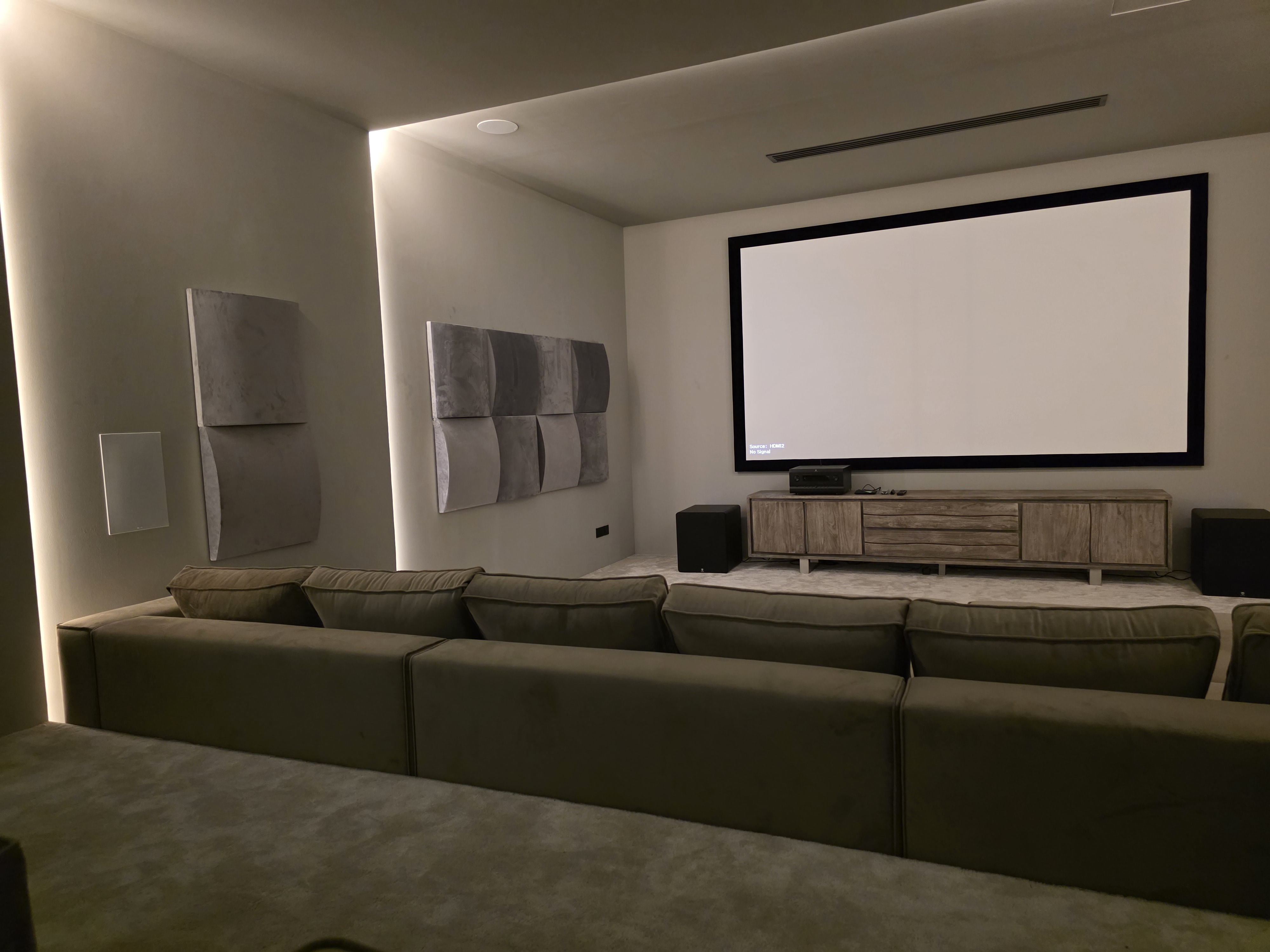
Sound and air go hand in hand. In luxury home theaters, home cinema HVAC design is more than just airflow; it is about crafting a serene environment where every whisper and boom is heard as intended.
HVAC Noise in Home Theater
Imagine you’re watching a movie, and the soft hum of your HVAC system drowns out the dialogue. It’s frustrating. HVAC noise in home theater environments can overshadow even the best audio systems. This noise seeps in through poorly designed ductwork or improperly placed air outlets. It disrupts the cinematic experience, reducing your investment’s impact. To mitigate this, focus on planning duct paths and selecting quiet equipment. Remember, a silent backdrop lets your audio shine.
Mechanical Noise Control Techniques
Mechanical noise sneaks in through structural channels. It’s the subtle hum or rattle that sometimes blends into the background. But in a cinema, it stands out. Techniques to control this include isolating ductwork from structural elements and ensuring flexible connections. Use acoustic baffles and attenuators to absorb sound energy. These methods help maintain the integrity of private cinema acoustics in the UAE, offering a distraction-free experience.
Vibration Isolation Mounts
Vibrations are stealthy, often creeping in unnoticed until the bass drops. Vibration isolation mounts are essential in dampening these disturbances. These mounts separate mechanical equipment from building structures, preventing vibration transmission. By doing so, they preserve sound clarity, ensuring your theater’s audio system performs at its peak. This subtle yet powerful measure is crucial for achieving NC-15 cinema standards.
Coordination Failures in Design
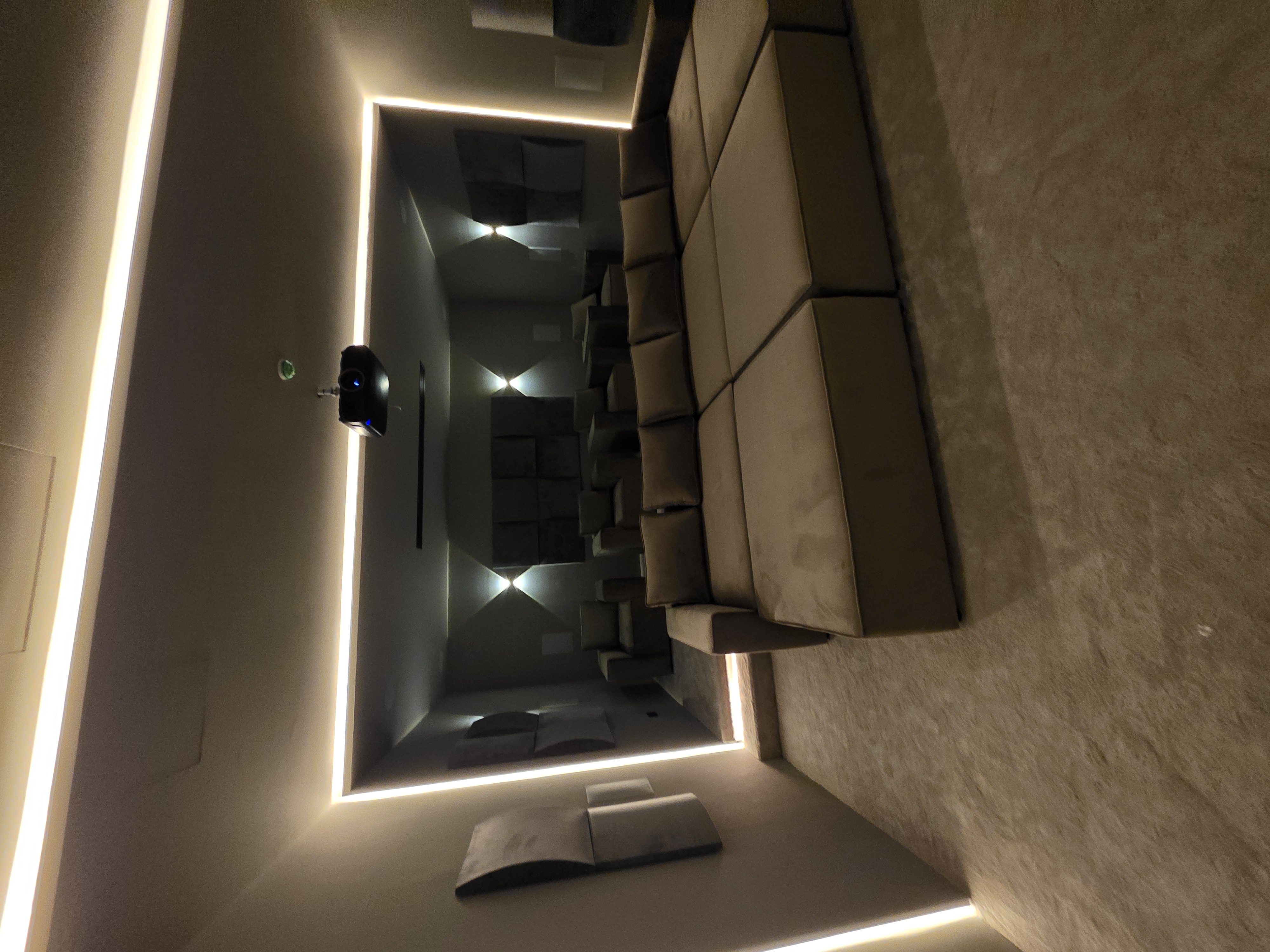
Even a well-designed system can falter without proper coordination. Misalignments between trades lead to noise and performance issues.
Common MEP Coordination Mistakes
Missteps in MEP coordination are all too common and costly. Overlapping trades can lead to conflicts, such as ductwork clashing with speaker placements. These mistakes often result in last-minute changes that impact sound quality. To avoid this, integrate all services early in the design phase. Ensure that HVAC, electrical, and acoustic elements work in harmony. This foresight prevents disruptions and promotes system stability.
Grille Selection Noise Issues
Grille selection might seem minor, but it can significantly impact noise levels. Improper grille sizing or placement can result in audible air turbulence. Choose grilles with a design that minimizes noise, such as those with a larger face area and gentle airflow paths. This attention to detail ensures that your Dubai home theater design remains acoustically pure.
Plenum Sizing Home Cinema Challenges
Plenum sizing is often underestimated. Incorrect sizing can lead to inadequate airflow or excessive noise. Properly sized plenums distribute air evenly, reducing noise and maintaining comfort. Collaborate with HVAC specialists to determine the ideal plenum size for your space. This step is vital for achieving the desired acoustic performance without compromising air distribution.
Pre-Close Checks and Best Practices
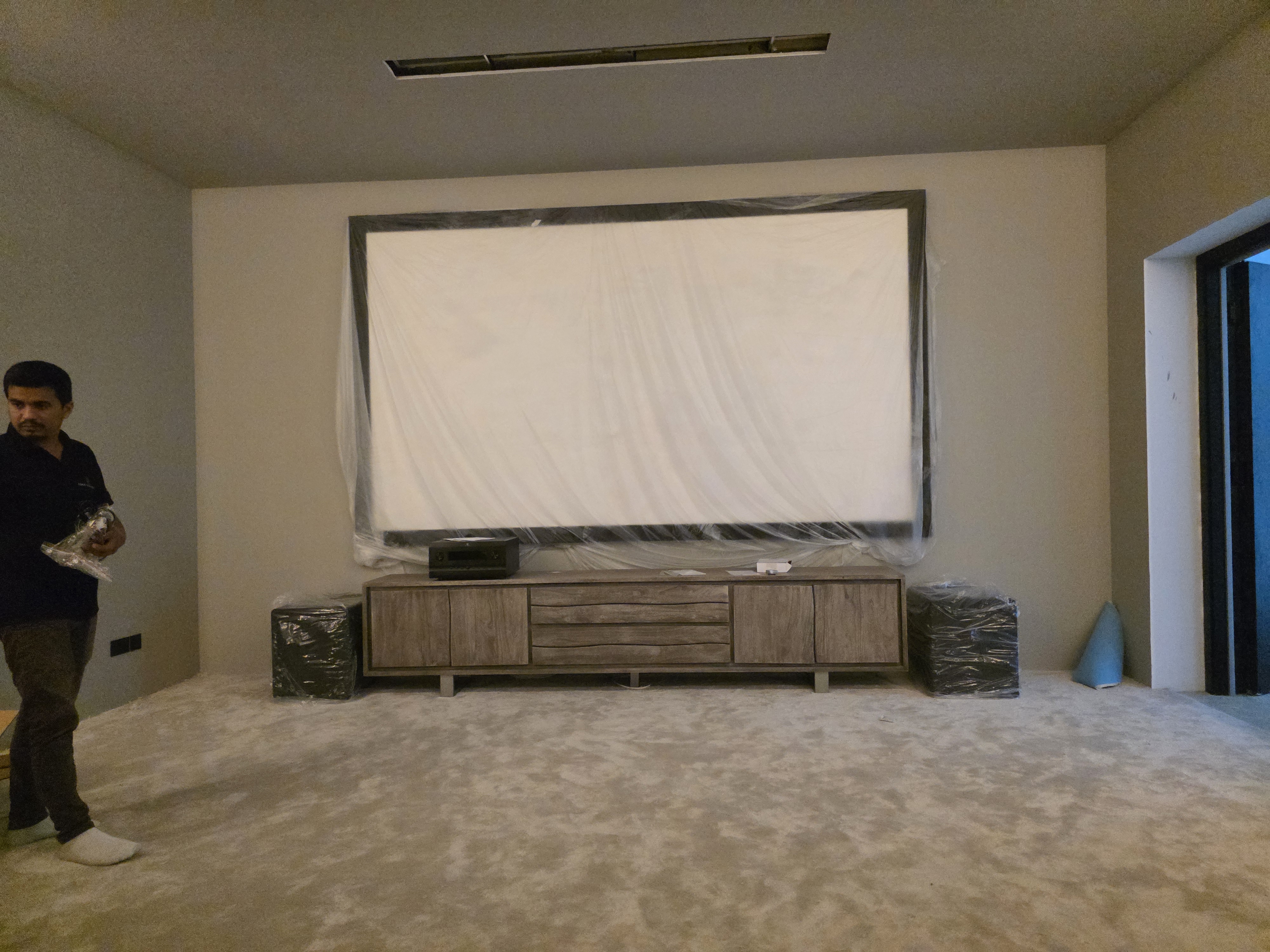
Before walls are sealed, double-checking your systems can save you from future headaches. These checks focus on ensuring acoustics and airflow remain undisturbed.
Acoustic Duct Lining Strategies
Lining ducts with acoustic materials reduces noise transmission. This lining absorbs sound energy, preventing it from traveling through ductwork. Choose materials designed for sound attenuation, like fiberglass or mineral wool. Implementing acoustic duct lining strategies ensures your theater remains a sanctuary of sound.
Low Velocity Duct Design Principles
High-velocity air creates noise. In contrast, low velocity duct design prioritizes quiet operation. By increasing duct size and reducing airflow speed, noise is minimized. This design choice not only quiets your environment but also improves energy efficiency. It’s a win-win for both performance and sustainability.
Equipment Room Cooling Plans
The equipment room often goes unnoticed until overheating becomes an issue. Proper cooling ensures equipment runs efficiently and lasts longer. Develop cooling plans that accommodate the heat output of all devices. Consider dedicated cooling units or enhanced ventilation. This preparation protects your investment, maintaining performance and reliability over time.
In conclusion, residential AV integration UAE projects demand attention to detail. From vibration isolation mounts to return air strategy, every decision impacts the final experience. By addressing these elements early, you safeguard against rework and ensure your cinema performs as intended. Prioritize these strategies to maintain the sound quality and comfort your luxury theater deserves.


