
Prioritizing Maintenance Access in Built-In AV Installations
Most built-in AV installations fail to plan for maintenance access until it’s too late. When walls and ceilings close, the opportunity to address future service needs disappears. Without proper access, you face costly rework and risk shortening system longevity. This post explains why early coordination matters and how to avoid these pitfalls before construction progresses.
Importance of Maintenance Access
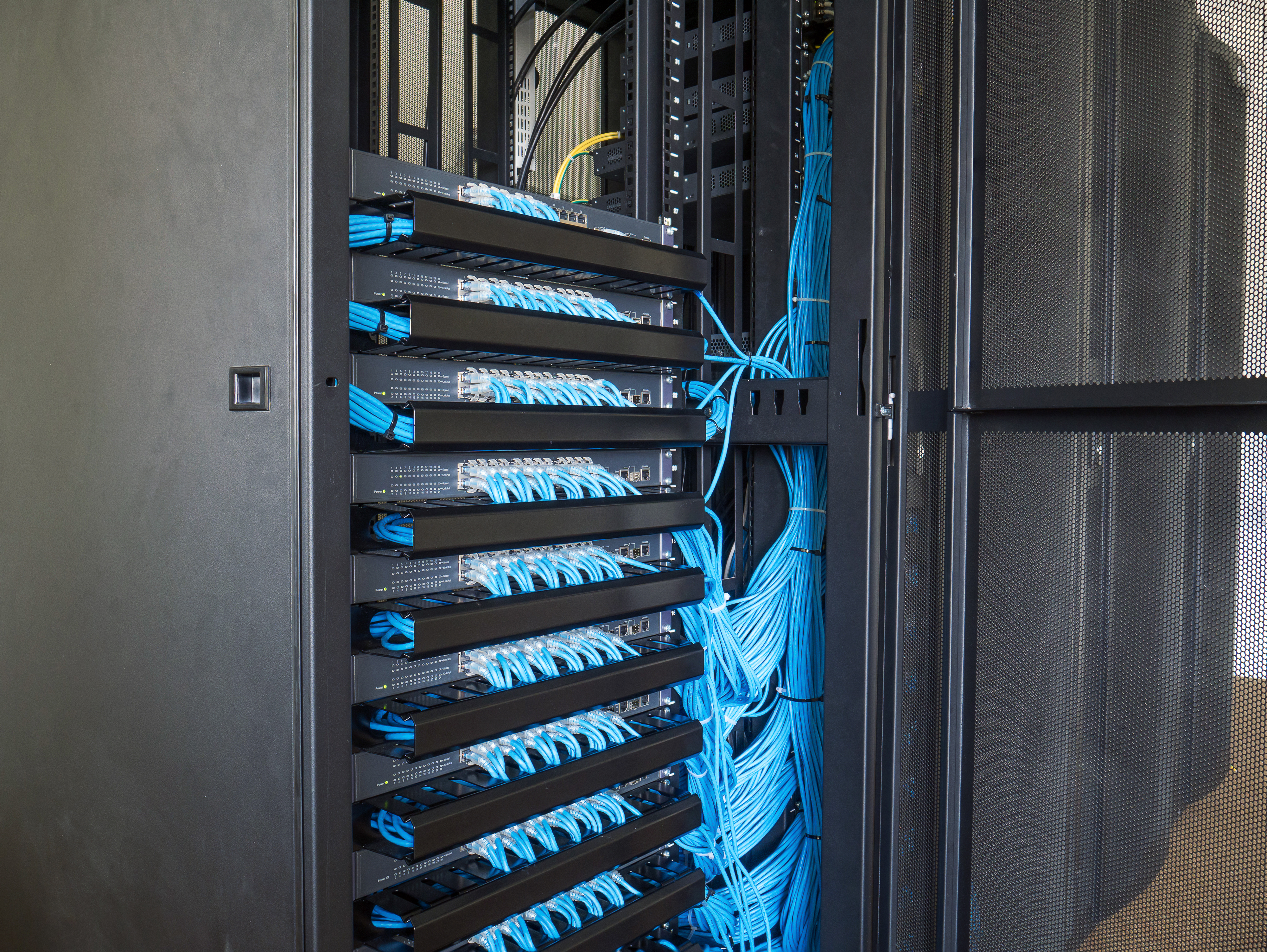
You might not notice the need for maintenance access until it’s too late. Once walls and ceilings are closed, servicing built-in AV systems becomes a challenge. This often leads to expensive rework. Planning for access from the start saves money and ensures the longevity of your systems.
Avoiding Long-Term Issues
Imagine discovering a fault in your AV system only after construction is complete. It’s a common scenario, but one that can be easily avoided. By ensuring maintenance access points are part of your initial plans, you can prevent long-term issues. Without designated access, you could face noise problems or system failures that require major reconstruction to fix. Most people think installation is the final step, but it’s only the beginning of maintaining a reliable AV system. Prioritize access now to save headaches later.
Ensuring System Longevity
Investing in AV systems isn’t just about the present; it’s about future reliability. Systems need maintenance to run smoothly over the years. Without proper access, essential repairs and upgrades become impossible. You ensure your built-in systems last longer and perform better by planning ahead. It’s not just about preventing problems, but about extending the life of your investment. The longer you wait to address this, the costlier it becomes.
Planning for Built-In AV Systems
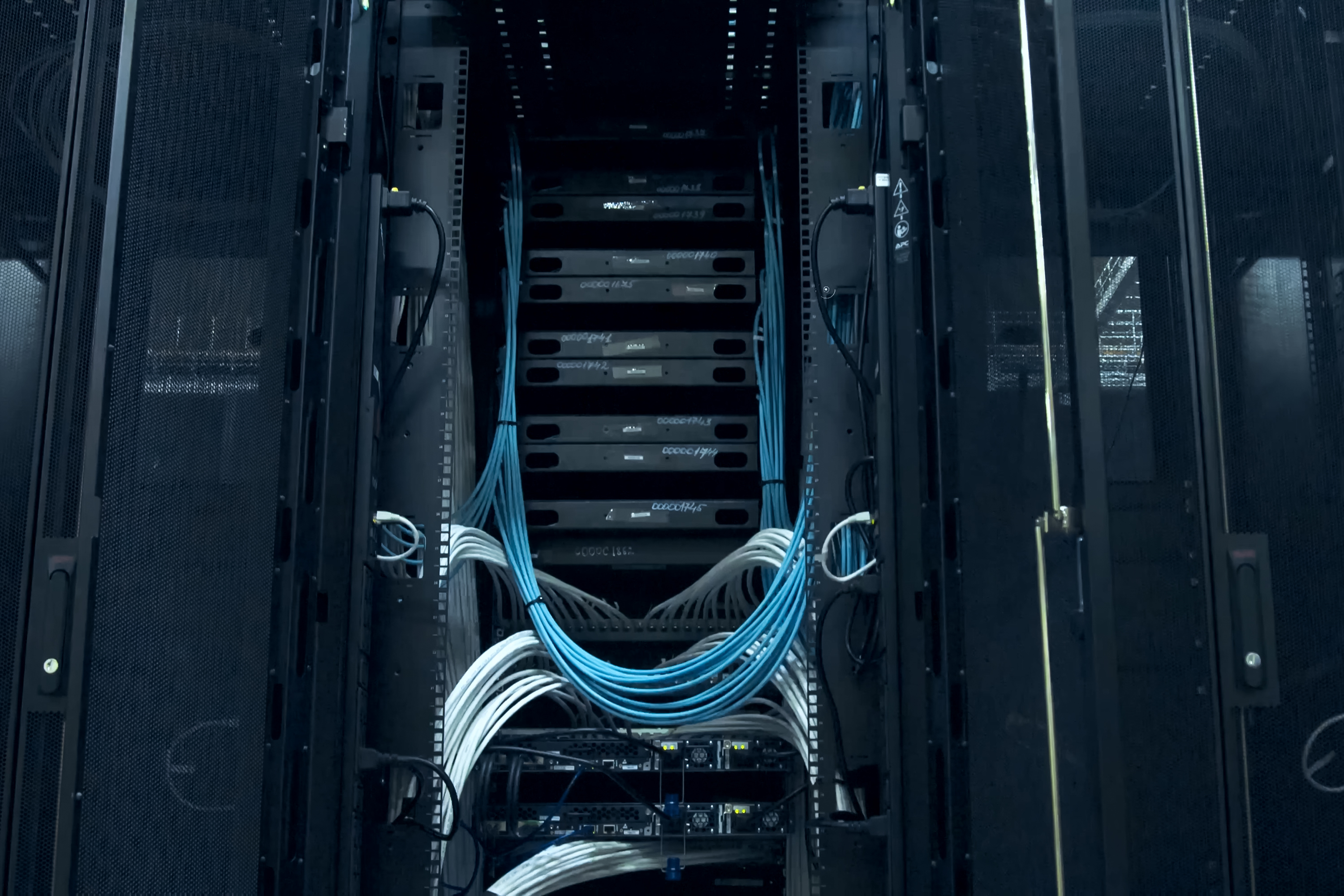
Transitioning to planning, the early stages of a project are critical. Decisions made here affect everything from sound quality to system reliability. Early coordination with professionals ensures your AV system integrates seamlessly with architectural plans.
Early Consultation Benefits
Consulting with AV experts at the project’s start pays off in the long run. Early discussions help identify potential conflicts between AV systems and structural elements. This foresight allows for solutions that accommodate both design and functionality. For example, if your cinema room has a beam obstructing speaker placement, adjustments can be made before construction, avoiding costly rework. Most people assume their project team will handle these details, but direct consultation ensures nothing is overlooked.
Designing Access Points
Designing access points is more than just leaving gaps in walls. It’s about thoughtful placement that doesn’t compromise aesthetics or functionality. Access panels should be discreet yet allow technicians to reach critical components easily. Think of it as a hidden door to system longevity. Strategically placed, these panels ensure seamless maintenance without disrupting your home’s design. This proactive approach keeps your systems running smoothly.
Preventing Costly Rework
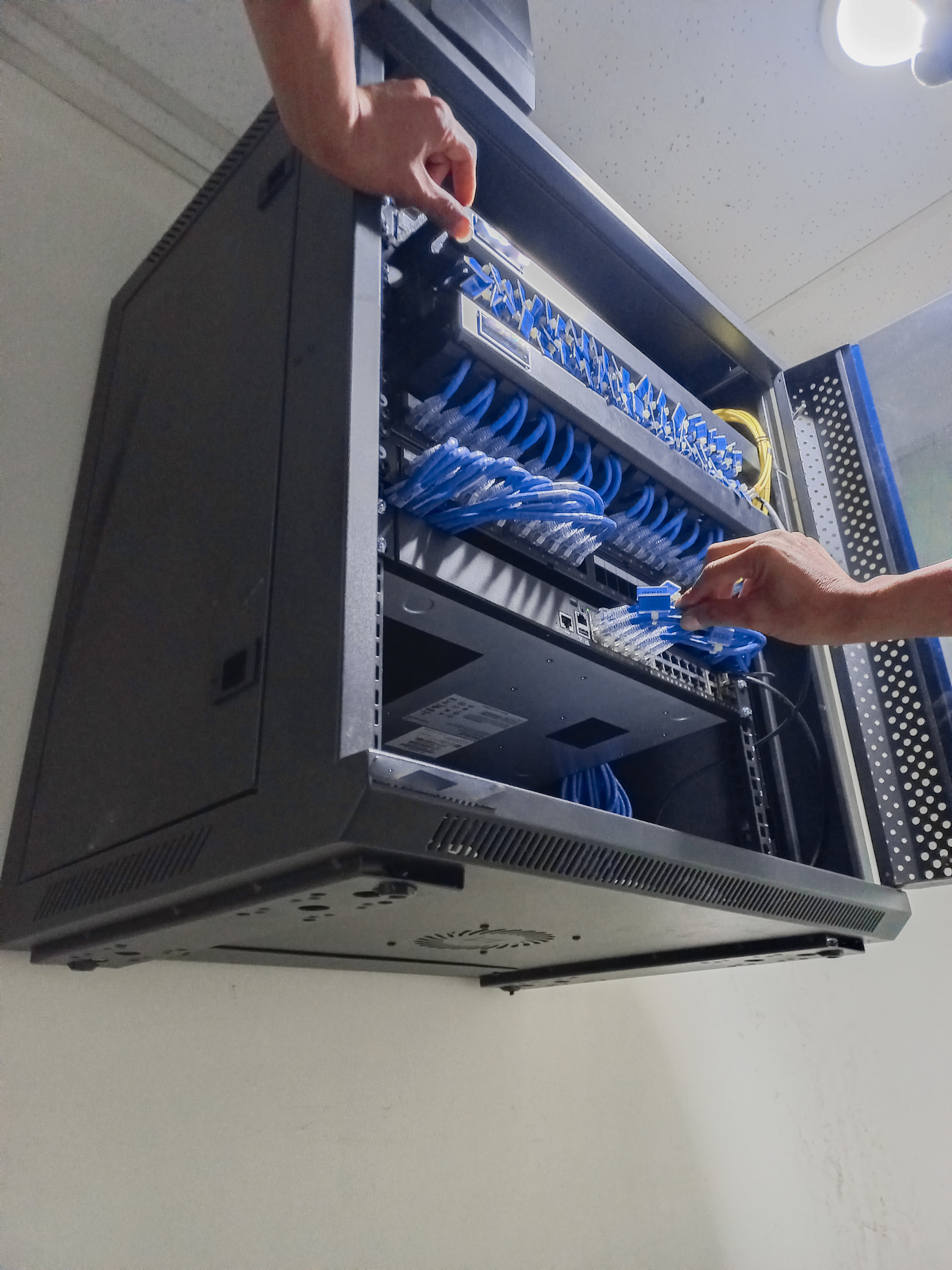
Avoiding rework saves not just money, but time and frustration. Careful planning and coordination prevent issues that otherwise require tearing down finished work. This section explores how engineering discipline and coordination make all the difference.
Engineering Discipline and Coordination
Engineering discipline involves detailed planning and precise execution. It requires looking at every angle—from acoustics to electrical layouts—and coordinating them with the overall design. This discipline ensures that your AV system functions as intended without unexpected surprises. Without it, you risk interference between systems, leading to costly fixes. Real-world experience shows that projects lacking coordination often face delays and increased costs. A disciplined approach up front eliminates these risks.
Real-World Experience in Execution
Experience teaches us that real-world execution rarely follows the blueprint perfectly. Unforeseen challenges arise, and only seasoned professionals know how to adapt without compromising the system. They bring insights that textbooks can’t cover, ensuring your project withstands real-world conditions. For example, an unexpected structural change during construction might affect AV placement. Experienced teams can adjust plans on the fly to keep everything on track. This adaptability prevents costly errors and keeps your project moving forward smoothly.
By understanding the importance of maintenance access and planning early, you can avoid long-term issues and ensure system longevity. The effort you put into planning today saves time and resources in the future, securing a reliable and efficient AV setup for years to come.


