

Pre-Closure Private Cinema Checklist: Decisions That Protect Performance
Most private cinema rooms show their real flaws only after walls and ceilings are closed. At that point, fixing noise, vibration, or cooling issues means costly rework and delays. A detailed private cinema pre-closure checklist helps you catch critical problems early, safeguarding your investment and ensuring the system works as intended. This guide walks you through the key decisions every project team must address before closure to protect long-term performance.
Pre-Closure Cinema Room Essentials
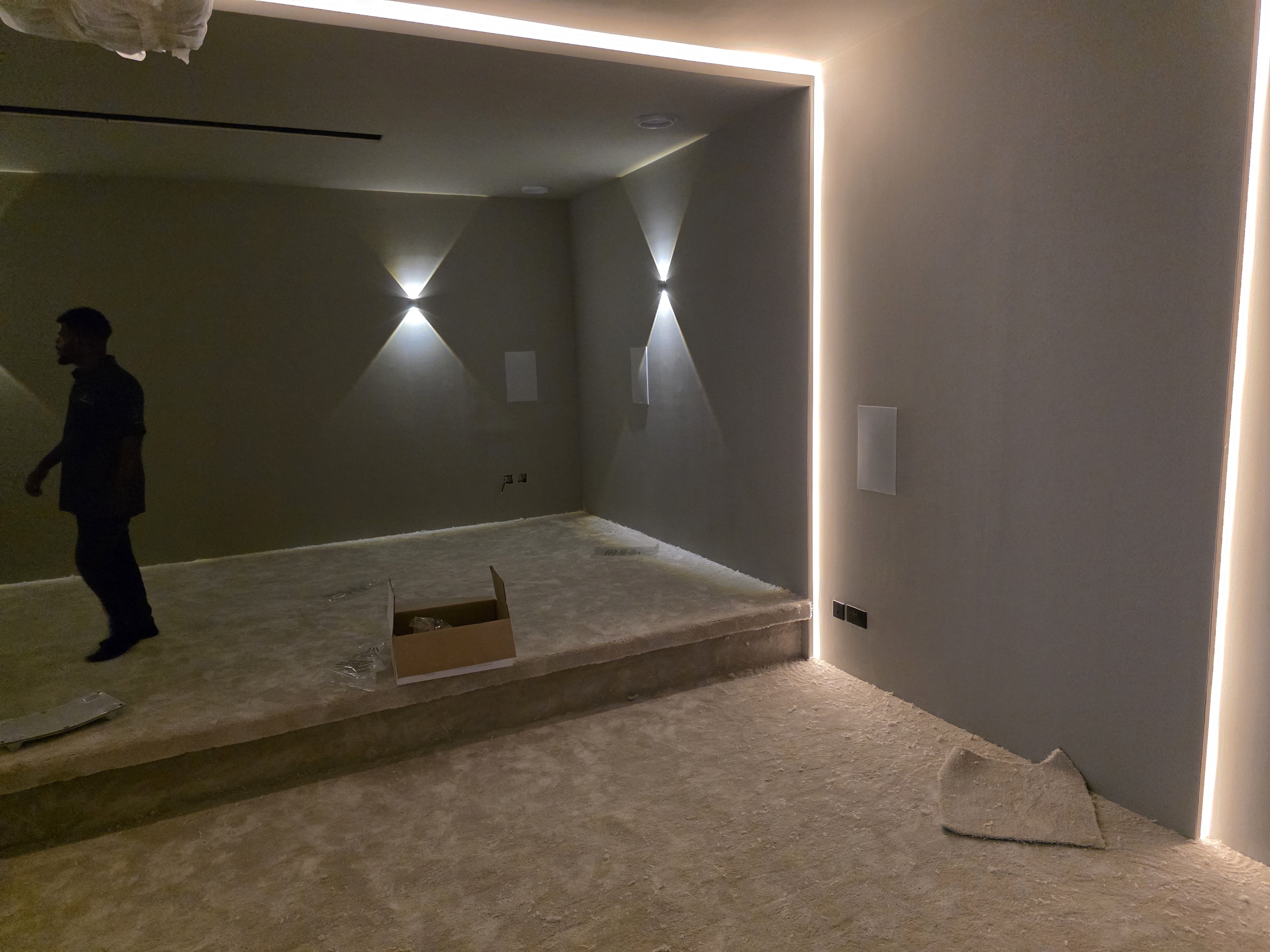
Before sealing any part of your cinema room, understanding key elements ensures smooth operation. This section focuses on three vital areas you must address.
Acoustic Isolation Strategies
Your cinema experience hinges on sound quality. Start by checking your room’s acoustic insulation. The right materials, like dense fiber or acoustic panels, absorb unwanted noise. Ensure full coverage with no gaps. This keeps sound in and distractions out.
Next, consider isolation techniques. Resilient channels or isolation clips help by breaking sound pathways. Install these between walls and framing. Remember, soundproofing is only as good as its weakest point. Ensure no rigid connections bypass these barriers.
Finally, evaluate door seals. A soundproof door can be the difference between immersion and interruption. Use solid cores and neoprene seals to prevent sound leaks. This attention to detail protects your cinema experience.
Vibration Control Considerations
Vibrations can ruin a movie night. Address this by examining potential vibration sources. Look at speaker mounts and subwoofer placements. They shouldn’t be rigidly connected to your structure. Use isolation pads to absorb vibrations.
Check your floor and furniture. Adding vibration dampeners to seating can make a significant difference. Think about risers. Ensure they aren’t directly fixed to concrete. This simple step prevents vibrations from traveling.
Lastly, inspect nearby machinery. HVAC systems or large appliances can create unwanted vibrations. Isolating these from your cinema space ensures they won’t disrupt your experience.
HVAC Noise Management
Temperature control is crucial, but noise isn’t. Your HVAC system should be quiet and efficient. Start by planning the location of supply and return vents. They should be placed to minimize sound travel.
Use flexible ducts to reduce noise transmission. Avoid hard connections. This simple choice can cut down on unwanted noise. Consider adding insulation around ducts. It helps absorb sound while maintaining temperature.
Finally, ensure maintenance is easy. Filters and components should be accessible for regular checks. Keeping your system in top shape means less noise and more comfort.
Equipment and Layout Decisions
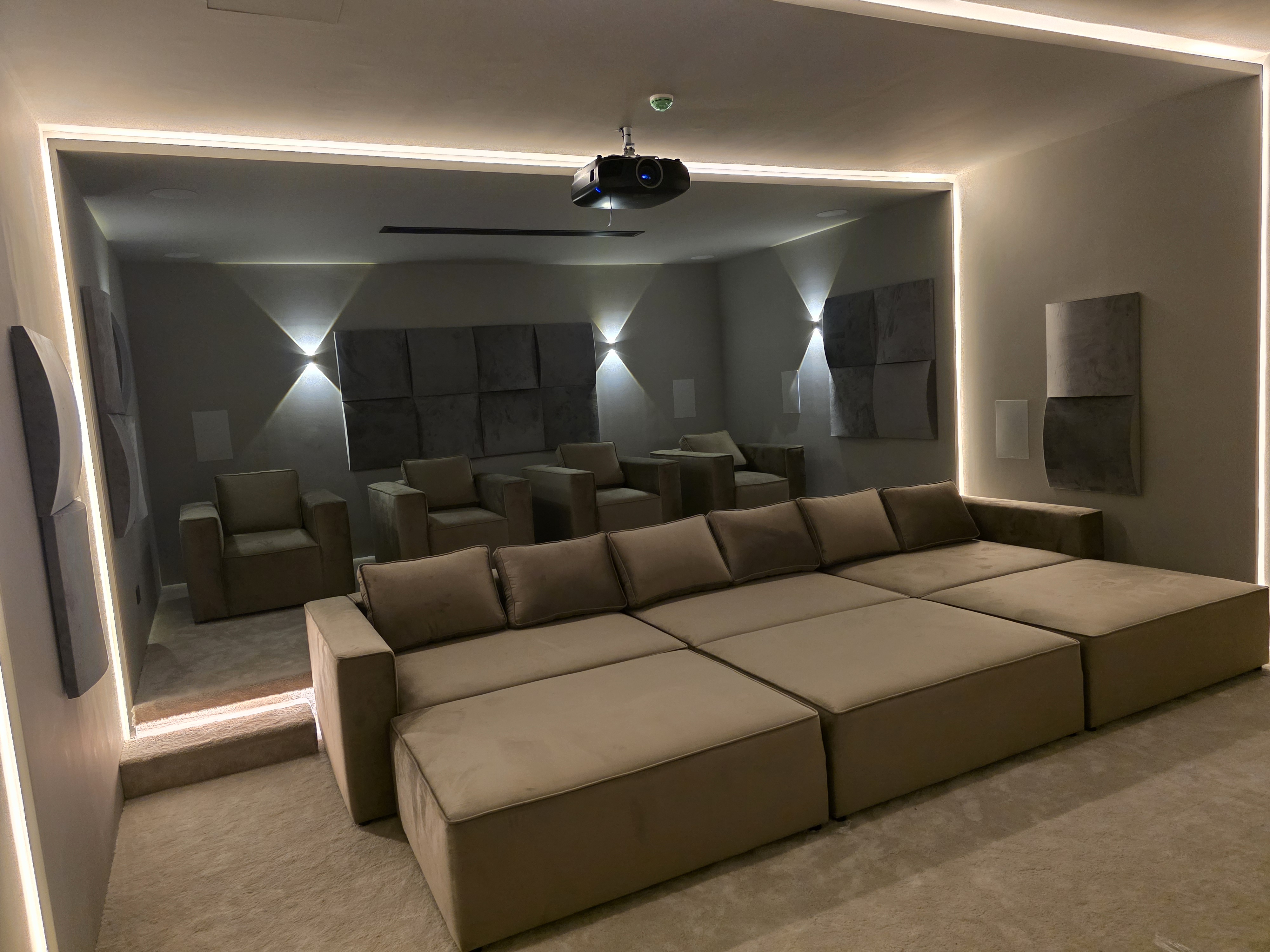
The placement of equipment can make or break your cinema room. This section guides you through making informed decisions for optimal performance.
Speaker and Subwoofer Placement
Achieving the perfect sound requires careful planning. Start with your speaker layout. Position them at ear level for seated listeners. This ensures direct sound delivery. Use the rule of thirds: speakers should form an equilateral triangle with the listener.
Next, focus on your subwoofers. Their placement affects bass response. Avoid corners. Instead, try placing them along the front wall or using multiple subs for even distribution. Experiment with positions to find what works best in your room.
Remember, each room is unique. Use a sound meter or calibration software to fine-tune settings. This precision pays off in audio quality.
Projector Throw and Sightlines
A clear view is essential. Your projector’s throw distance impacts image size and clarity. Refer to the manufacturer’s guidelines. They help determine the correct distance for your screen size. This prevents distortion and ensures a crisp picture.
Consider sightlines. Everyone should have an unobstructed view. Check seating arrangements and screen height. Avoid placing screens too high. It can strain necks and reduce enjoyment.
Lastly, think about ambient light. Control it to prevent screen glare. Dark walls and ceilings enhance contrast. These small tweaks improve visual quality significantly.
Dedicated Equipment Rack Ventilation
Heat can damage sensitive components. Ensure your equipment rack has proper ventilation. Start by choosing a location with airflow. Avoid closed closets. They trap heat and restrict airflow.
Use fans or vents to circulate air. An active ventilation system prevents overheating. Ensure cables are organized. Tangled wires restrict airflow and complicate maintenance.
Regularly check temperatures. Keep them within safe ranges. This proactive approach extends equipment life and maintains performance.
Structured Cabling and MEP Coordination
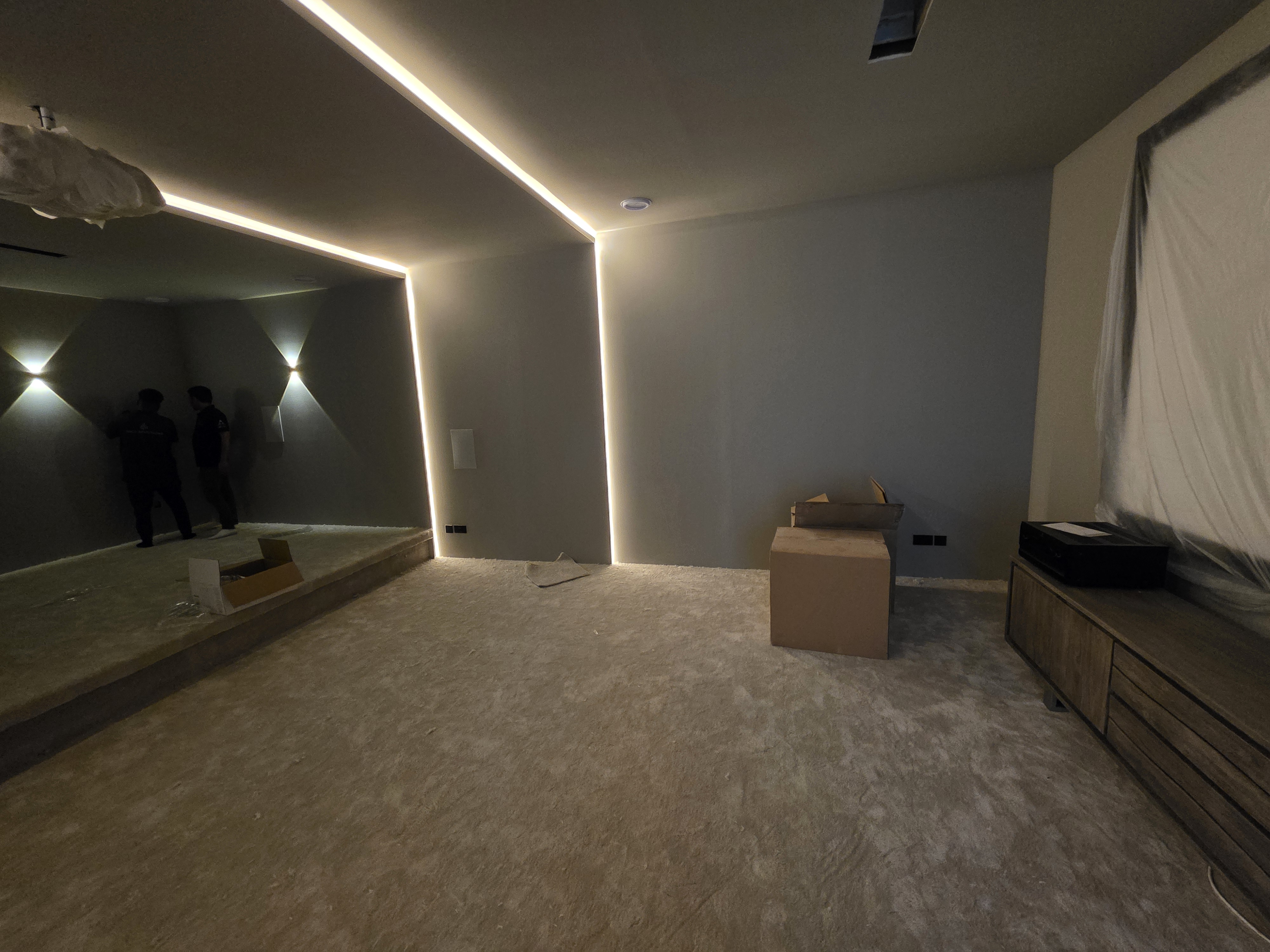
Proper cabling and coordination with other systems are crucial for reliability. This section outlines essential steps to prevent future headaches.
Power and Grounding Plan
Electrical stability is foundational. Begin with a dedicated power circuit for your cinema. This reduces interference from other appliances. Verify cable sizes meet load requirements. Undersized cables can lead to failures.
Focus on grounding. A clean earth connection is vital. It minimizes hum and noise. Ensure circuits are separate from other systems. This isolation prevents cross-talk and ensures clean power delivery.
Document your power plan. Future modifications are easier with clear records. This foresight aids troubleshooting and upgrades.
Structured Cabling Pathways
Cables are the backbone of your system. Plan pathways to avoid interference. Keep power and signal cables separate. This prevents noise and ensures clear signals.
Provide slack at connection points. It eases maintenance and reduces stress on cables. Avoid sharp bends and tight loops. This simple step prolongs cable life.
Label everything. Clear identification saves time during troubleshooting. This organized approach ensures your system runs smoothly.
MEP Coordination for AV Systems
Coordination prevents conflicts. Begin by reviewing MEP plans. Ensure they align with your AV requirements. Address potential clashes early. This proactive step saves time and resources.
Work with consultants and contractors. Their expertise ensures systems integrate seamlessly. Address HVAC, lighting, and structural elements. Each can impact audio and visual performance.
Document decisions and updates. A coordinated approach prevents surprises. This thorough planning protects your investment and ensures long-term satisfaction.


