

Pre‑closure inspection checklist for private cinemas and smart homes
Most problems in private cinemas and smart homes happen after walls and ceilings are closed. By then, fixing issues with AV, ELV, acoustics, or controls becomes costly and disruptive. Using a detailed pre-closure inspection checklist helps you catch critical risks early and avoid rework. This guide covers essential steps for your private cinema UAE or smart home UAE project to ensure systems perform quietly and reliably for years.
Critical Pre-Closure Inspections
Before sealing those walls and ceilings, ensure everything is in its place. This section covers essential checks to avoid issues that could haunt your private cinema or smart home for years.
Acoustic Isolation and Vibration Control
Sound quality in your private cinema depends heavily on acoustic isolation and vibration control. Before closing up, check that all acoustic insulation is installed correctly. You should see no gaps or compression in the layers. Isolation clips and resilient channels must be in place to prevent unwanted sound transmission. An improperly isolated room can turn into a constant source of buzzing and rattling, which is both frustrating and avoidable.
Consider this: A small gap in insulation can degrade sound quality by up to 20%. Ensure that all materials are correctly installed and that no rigid structural connections transmit vibrations into the room. Catch these issues now, and you’ll prevent costly fixes later.
Speaker and Seating Geometry Readiness
Getting the speaker and seating geometry right is crucial for optimal sound experience. Confirm that speaker locations are marked precisely and that all necessary backing and reinforcements are in place. Check the seating layout to ensure it aligns with speaker positions for an immersive audio experience. Proper placement can enhance sound distribution, making every seat in the house the best seat.
Misaligned speakers can ruin the auditory experience, much like a projector aimed at the wrong wall. Ensure that speaker mounts aren’t rigidly connected to structural elements unless specifically designed that way. This preparation avoids structural vibration risks that might compromise sound quality.
AV and ELV Systems Considerations
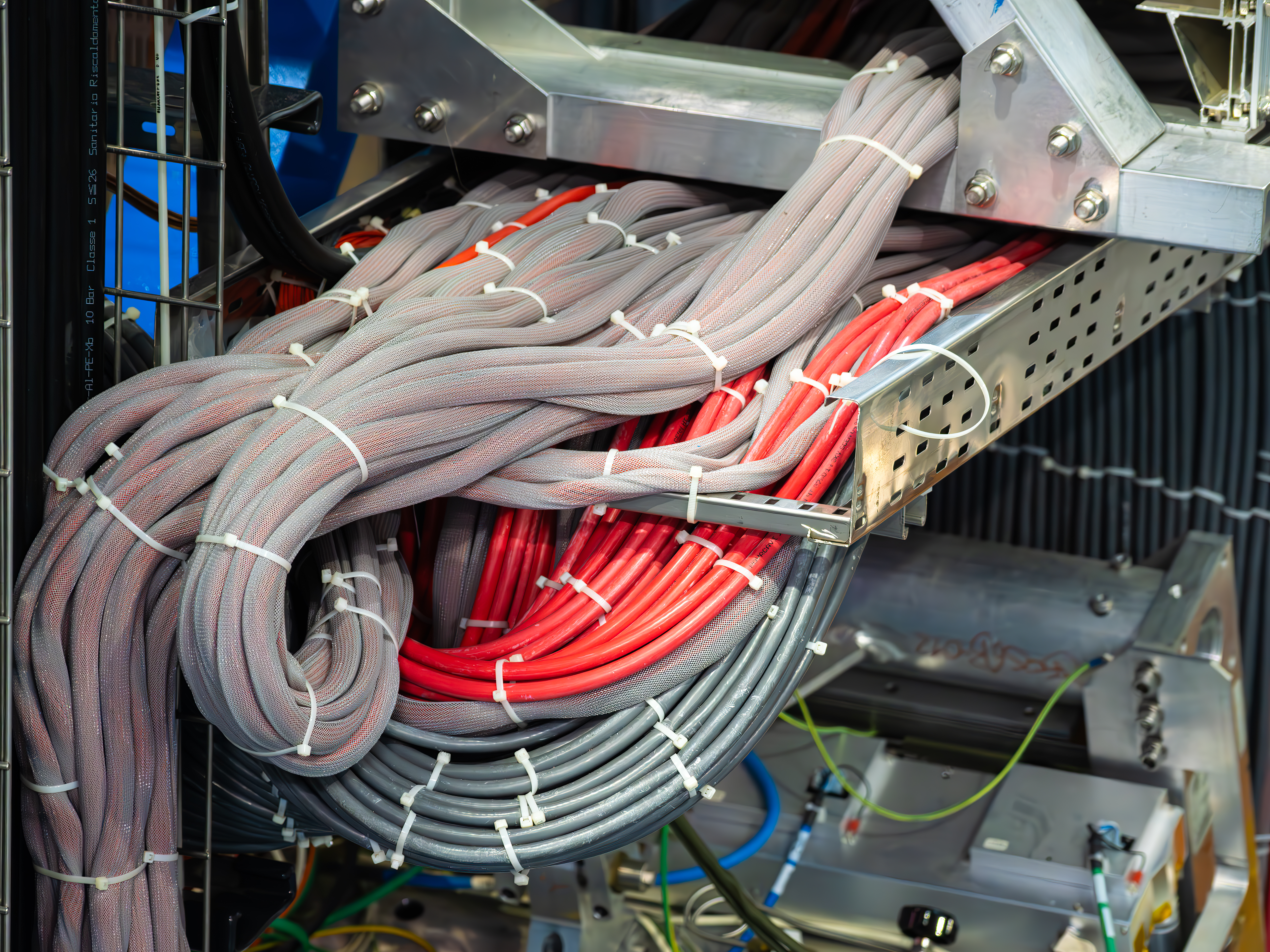
With acoustics sorted, let’s move to your AV and ELV systems. Proper planning here means less room for error and more room for enjoyment.
Equipment Rack Location and Power Planning
The location of your equipment rack and a smart power planning strategy are critical to a streamlined setup. Choose a spot that ensures easy access for maintenance and is sufficiently ventilated to avoid overheating. Dedicated power circuits should be confirmed to handle the load without causing reliability issues. Nothing is more frustrating than a system that quits during a movie.
Every system needs a grounding and bonding strategy to prevent electrical noise. This is not the place to cut corners. A well-thought-out plan can prevent future electrical headaches, ensuring your systems run smoothly.
Structured Cabling and Networking Strategy
A robust structured cabling and networking strategy is the backbone of your smart home. Before closure, check that all cables are pulled and tested. Routes should avoid sharp bends and interference sources. Ensure adequate slack is provided at termination points for any future adjustments. This careful planning supports seamless connectivity and system reliability.
Imagine discovering a cable misroute after closure—it’s a nightmare and incredibly costly to fix. Proper documentation and photographing of cable routes ensure every wire is accounted for, minimizing future issues.
HVAC and MEP Coordination
AV and ELV considerations are vital, but don’t overlook HVAC and MEP systems. These ensure comfort without compromising performance.
HVAC Noise and Heat Load Management
Effective HVAC noise and heat load management is crucial. Confirm that supply and return air locations are finalized to prevent sound interference. The wrong setup can introduce noise, disrupting the cinema experience. Keep ducts isolated from structural elements to avoid unwanted noise transmission.
A poorly managed HVAC system can affect room temperature and sound quality. Ensure that HVAC elements do not obstruct speaker locations and projector paths to maintain a clear line of sight and sound.
Firestopping and Penetration Sealing
Safety and performance go hand-in-hand with proper firestopping and penetration sealing. Ensure all penetrations are appropriately sealed with approved materials. This step is vital for maintaining both fire safety and acoustics within your cinema or smart home.
Improper sealing can compromise both safety and sound quality. By addressing these details, you reinforce the integrity of your setup, making it safe and sound-proof.
By following this detailed checklist, your private cinema or smart home will not only work as intended but will continue to perform reliably for years. Proper pre-closure inspection is your key to long-term success.
Read more about our approach to engineering-led residential systems.


