

Maximizing Efficiency: The Role of Smart Shading in Reducing Utility Costs
Many high-end residential projects face unexpected spikes in utility costs despite careful planning. This often stems from shading systems that fail to control heat gain effectively. Smart shading plays a key role in reducing energy consumption by managing natural light and heat, directly impacting utility cost reduction. Understanding how to integrate these systems with HVAC and home automation can secure residential energy savings without compromising design intent or comfort.
Understanding Smart Shading Systems
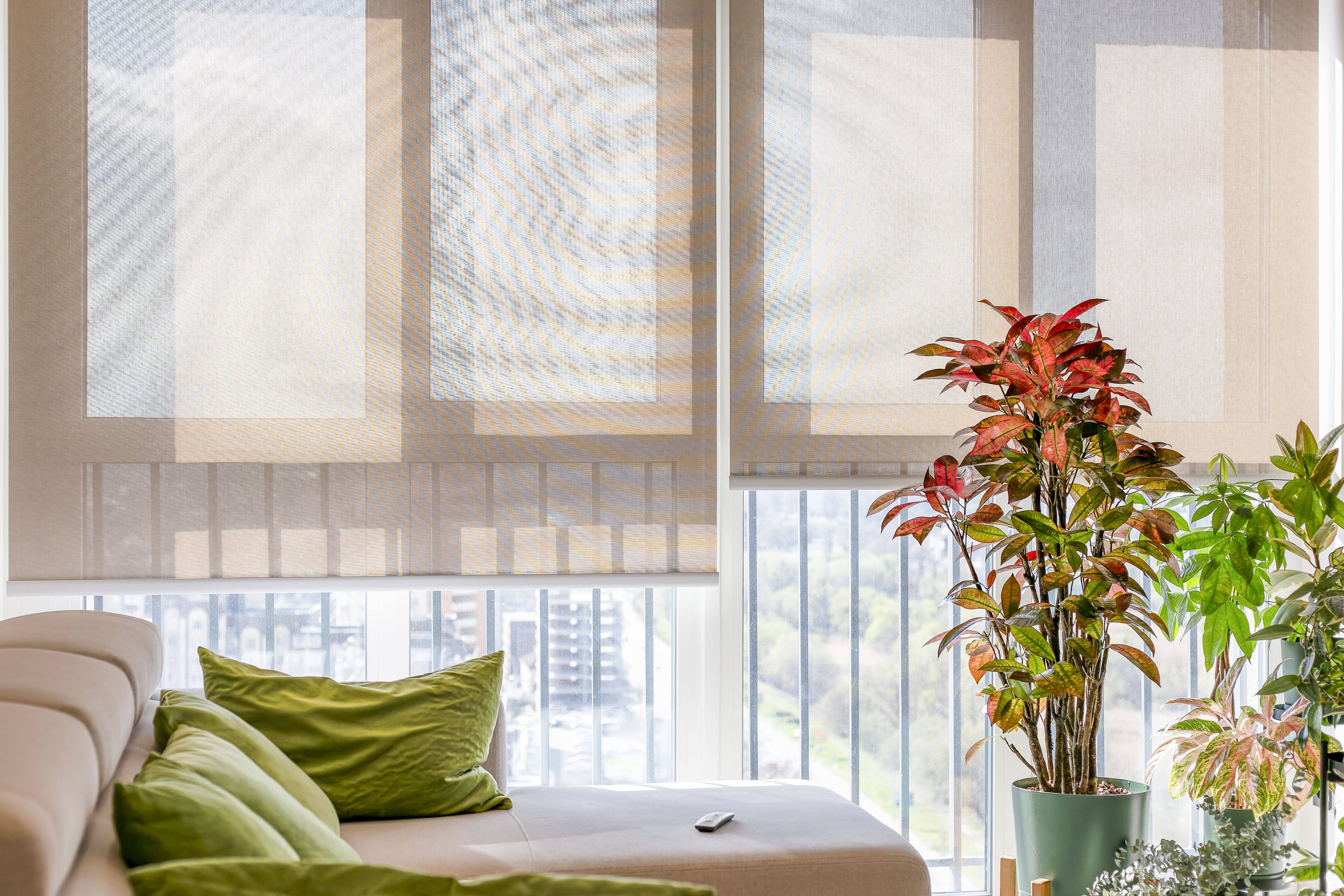
Smart shading systems offer a sophisticated way to manage light and temperature in your home. They are integral to reducing energy usage and can significantly decrease utility expenses.
Smart Shading and Energy Savings
Imagine a summer day, when the sun’s rays are at their peak. Smart shading can automatically adjust to block excess heat, preventing your cooling system from working overtime. Studies show that effective shading can reduce solar heat gain by up to 80%, dramatically lowering the need for air conditioning. This is not just about comfort; it’s a direct path to energy savings.
Moreover, these systems adapt to changing weather patterns, optimizing light and heat levels indoors. They integrate with home automation systems, allowing you to control them remotely. This means you can maintain a comfortable environment while being energy efficient, even when you’re not home. The result? A more sustainable living space that respects your budget and the environment.
Reducing Utility Costs with Smart Shading
The financial benefits of smart shading are clear. By managing heat and light, these systems reduce the strain on HVAC units, leading to lower electricity bills. Homeowners can see a reduction in cooling costs by up to 25%. This is a substantial saving over time, especially in regions with high electricity rates.
These savings are not just limited to cooling. In winter, smart shading can harness natural sunlight to provide warmth, reducing heating costs. The adaptability of smart shading is what sets it apart from traditional systems. It aligns with your home’s unique requirements, ensuring optimal performance throughout the year.
Integrating Smart Shading in High-End Residential Projects
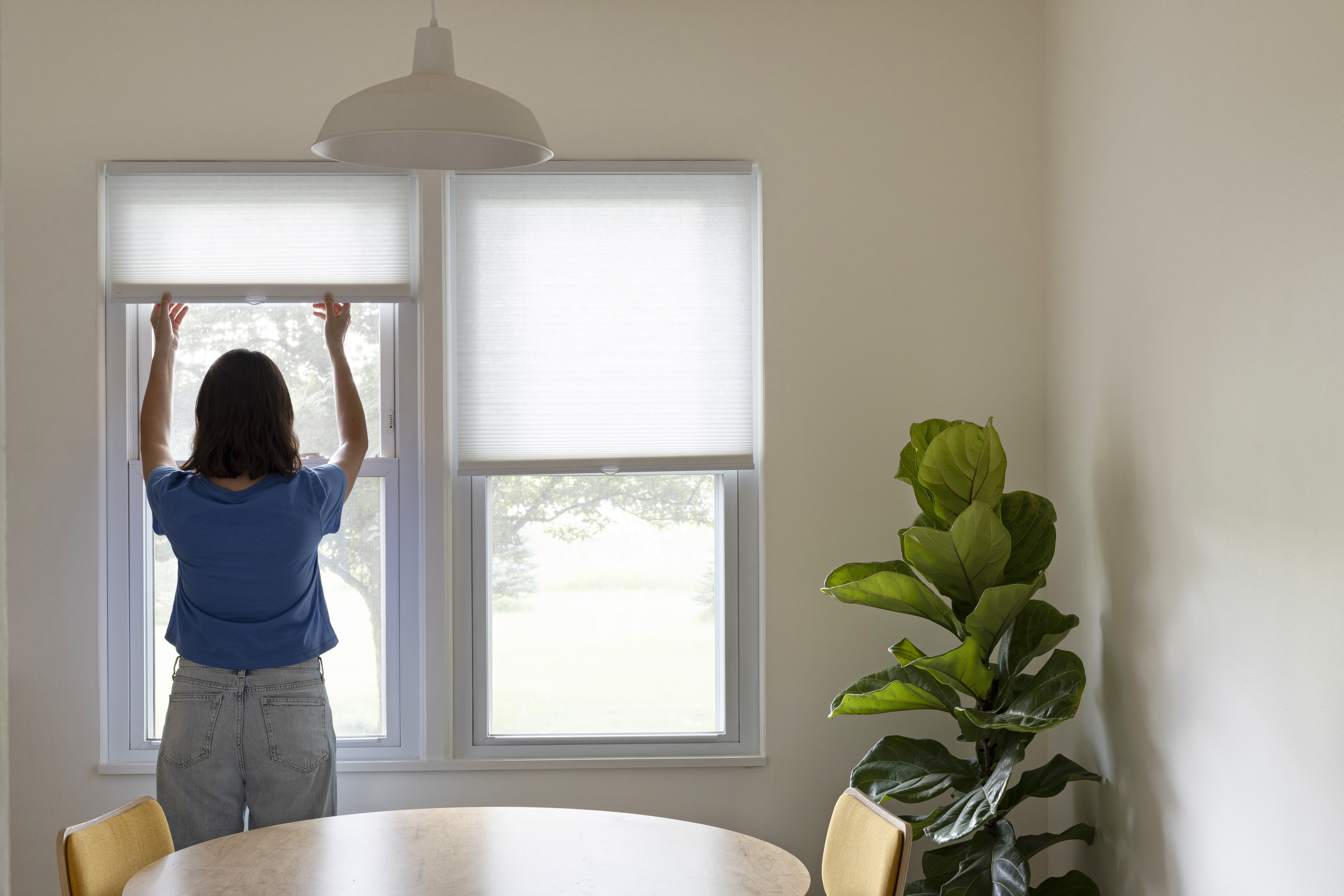
Incorporating smart shading into high-end homes brings both aesthetic and practical benefits. Let’s explore how these systems enhance modern living.
Smart Shading for Modern Homes
In contemporary residences, design and function go hand in hand. Smart shading complements architectural elegance while providing unmatched control over your environment. Consider a luxury villa with expansive glass facades. Smart shading systems can maintain privacy without sacrificing views or natural light.
These systems work seamlessly with other home technologies. You can set them to adjust automatically based on the time of day or sync them with your lighting and HVAC for a cohesive, energy-efficient system. This integration elevates your home’s functionality, making it a showcase of modern living.
Benefits of Smart Home UAE
In the UAE, where temperatures can be extreme, smart shading is particularly valuable. It not only enhances comfort but also supports sustainability initiatives. Embracing smart home technology allows residents to reduce their carbon footprint significantly.
For developers and architects, incorporating smart shading into residential projects can be a selling point. It demonstrates a commitment to innovation and environmental responsibility, appealing to discerning clients who value long-term performance and efficiency.
Engineering-Driven Approach to Smart Shading
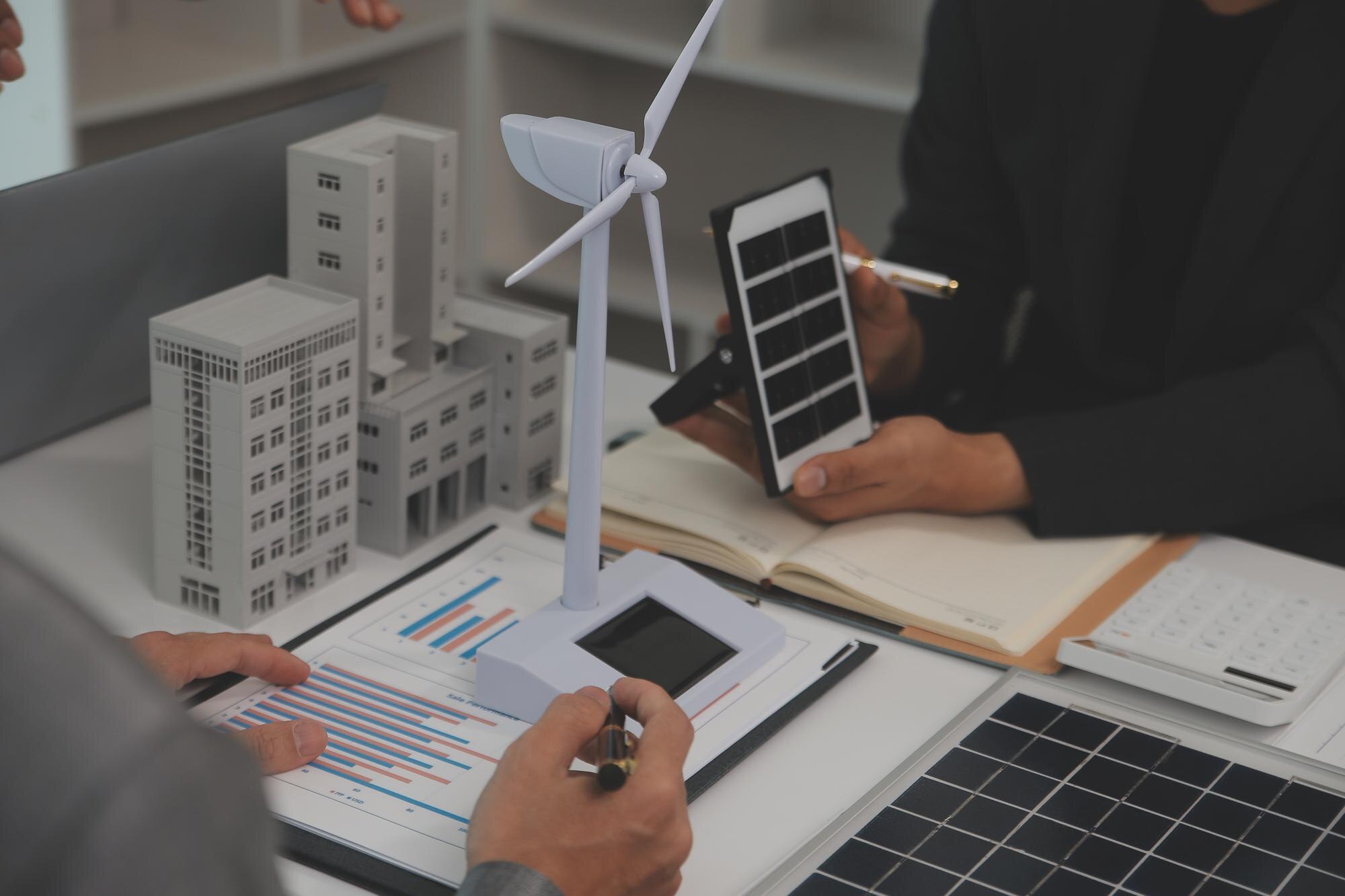
Our engineering-driven approach ensures that smart shading systems are integrated smoothly and effectively, avoiding common pitfalls in high-end projects.
HVAC Integration and Smart Shading
The relationship between HVAC systems and smart shading is critical. When these systems work together, they maintain consistent indoor temperatures effortlessly. This synergy minimizes energy use and enhances comfort. Properly integrated systems can lead to a 15% reduction in HVAC-related energy consumption.
Our team coordinates closely with architects and MEP professionals to ensure that smart shading systems are aligned with the building’s overall design. This strategic collaboration prevents issues such as overheating or inadequate cooling, which can lead to higher utility costs and occupant discomfort.
Long-term Residential Energy Savings
Smart shading systems are more than an immediate solution; they are a long-term investment. Over the years, the savings on utility bills can be significant, with some homeowners recouping their initial investment within a few years.
What makes smart shading particularly appealing is its capacity for future upgrades. As technology evolves, these systems can be enhanced without the need for major changes to your home. This adaptability ensures that your investment continues to deliver value and efficiency, keeping you at the forefront of energy-saving technology.
In conclusion, integrating smart shading with a focus on engineering discipline and foresight leads to substantial benefits. It offers a clear path to energy efficiency and utility cost reduction, enhancing the overall quality and sustainability of high-end residential projects.
Read more about our approach to engineering-led residential systems.


