

HVAC Design Decisions That Make or Break Home Theater Acoustics
HVAC design often determines whether your home theater delivers clear sound or constant background noise. Many private cinemas suffer from vibration and airflow issues that raise the noise floor well above NC-15 or NC-20 targets. This article explains how specific HVAC choices affect private cinema acoustics and outlines the design and coordination steps needed to avoid costly rework before ceilings close. Understanding these factors helps keep your system quiet and reliable for years.
Impact of HVAC Design on Acoustics
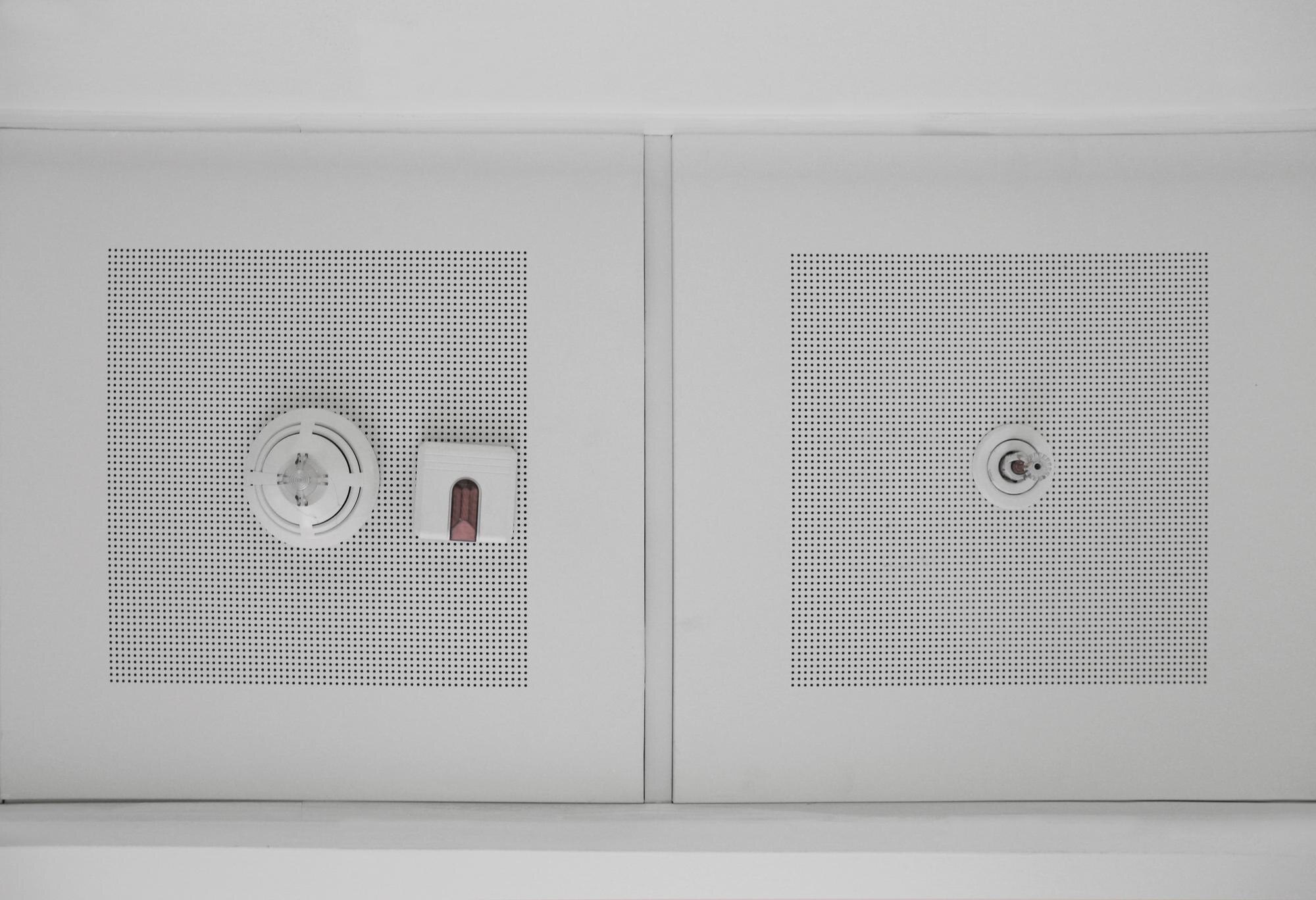
When setting up a home theater, the way your HVAC system is designed can shape the sound experience. It’s not just about keeping the room cool; the system can bring unwanted noise if not handled right.
Noise Paths in Home Theaters
Sound can travel in unexpected ways, and your HVAC system might be a hidden culprit. Air ducts, gaps, and even solid structures can carry sound into your cinema. This means you might hear mechanical hums or external noises interrupting your viewing. Imagine watching a quiet scene and suddenly hearing the whoosh of an air vent. To tackle this, you need to seal gaps and use soundproof duct materials. Ensuring the system is well-planned at the start can prevent these distractions.
Vibration Isolation Techniques
Vibrations are silent troublemakers in cinema rooms. If your HVAC system vibrates, it can send those ripples through the structure, causing noise. This is where vibration isolation becomes crucial. By using special mounts and pads, you can stop vibrations from spreading. These tools keep parts of the system from directly touching the building, cutting down on unwanted sounds. It’s like giving your HVAC a quiet cushion to rest on.
Achieving NC-15 to NC-20
Aiming for noise levels like NC-15 or NC-20 in your home theater ensures a quiet environment. These levels mean minimal background noise, letting you focus entirely on the film. Achieving this involves choosing the right materials and design strategies. Quiet fans, insulated ducts, and smart placement help keep noise down. Think of it as creating a cocoon of silence, where the only thing you hear is the movie’s sound.
Key HVAC Design Considerations
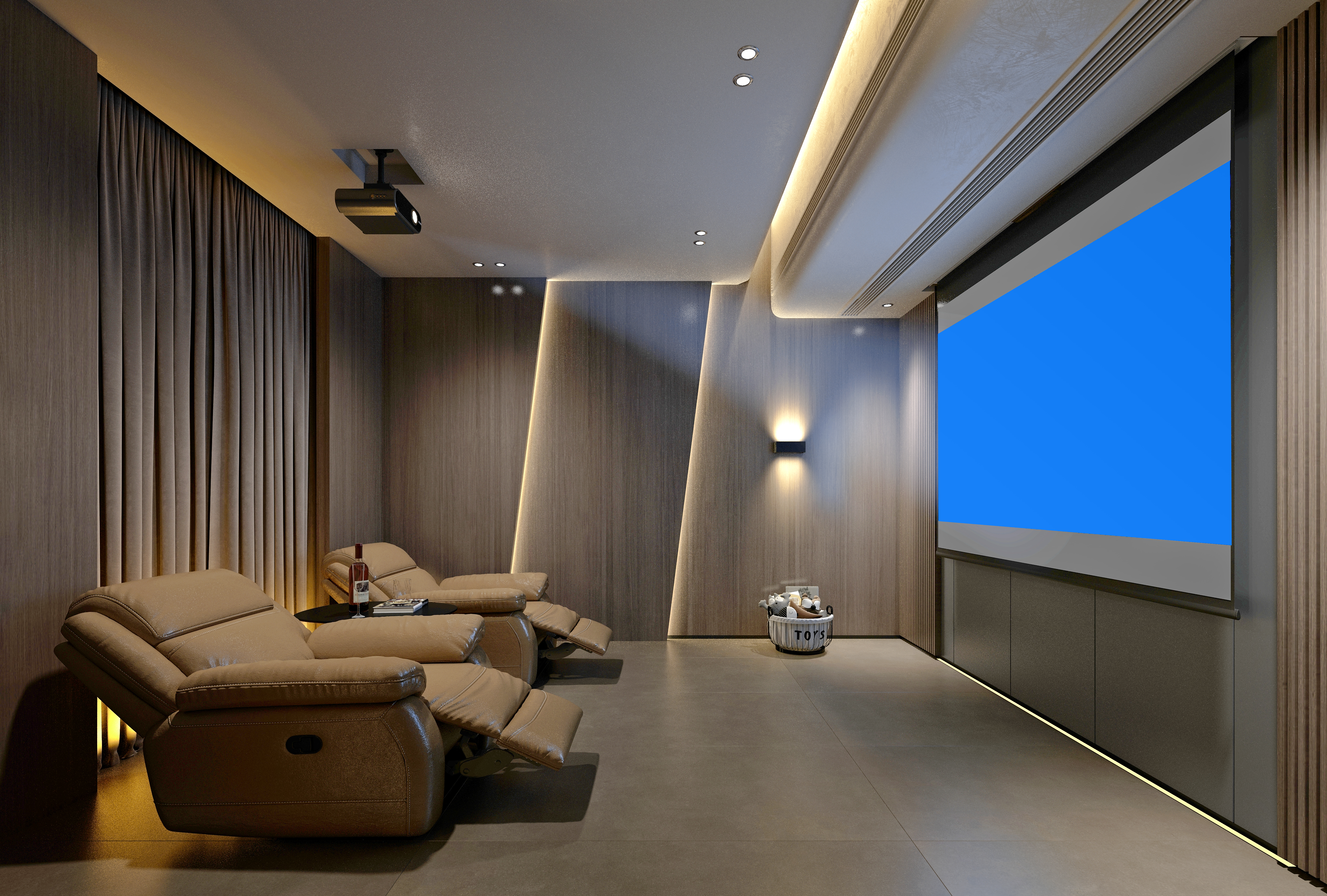
With noise control in mind, making careful HVAC design choices is essential. Each decision, from the speed of airflow to the type of grille used, impacts the overall sound quality in your theater.
Duct Velocity and Airflow
Airflow might seem trivial, but it’s a game-changer in cinema rooms. Duct velocity, measured in meters per second, determines how fast air moves through the system. Fast-moving air can create noise, like wind howling through a tunnel. Keeping the airspeed slow and steady helps maintain a tranquil atmosphere. You’ll want to design ducts that are wide enough to handle air without rushing it. This simple adjustment reduces the chance of noisy airflow, keeping your theater serene.
Grille Selection and Placement
Grilles are where air enters and exits your room, so their design matters. Choose grilles that are quiet, directing air without creating noise. Placement is another factor; grilles should be positioned where they won’t blow directly onto viewers or interfere with acoustics. This ensures that air circulates smoothly, without drawing attention away from your screen. It’s about blending comfort with silence, achieving both with thoughtful grille use.
Silencer and Lining Specifications
To further cut noise, consider using silencers and acoustic linings. These features absorb sound, keeping it from escaping into the room. Silencers are installed within ducts, stopping sound waves in their tracks. Acoustic linings, meanwhile, coat the ducts, reducing the sound from airflow. With these tools, your HVAC system operates quietly, contributing to an immersive cinematic experience.
Effective Coordination for Success
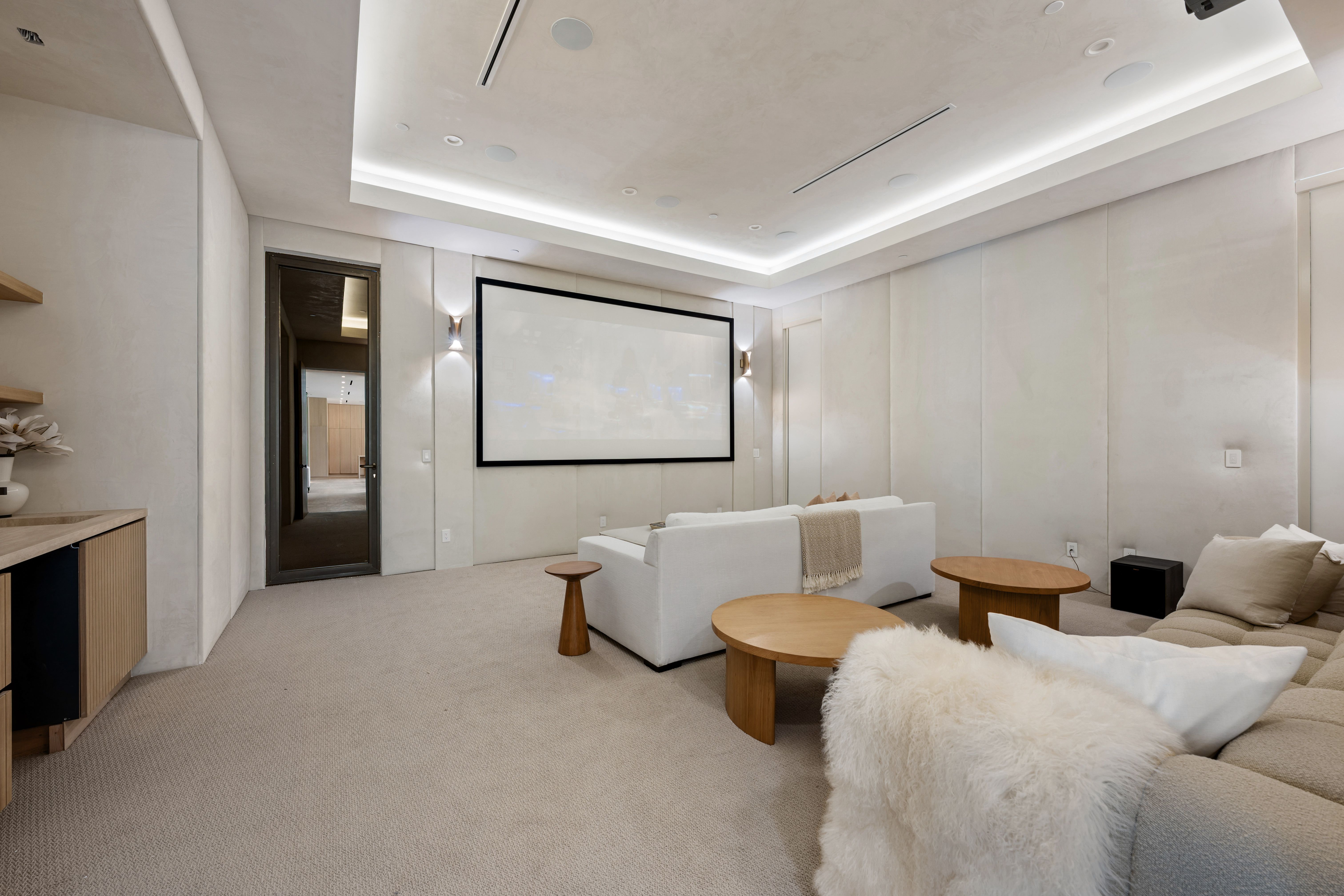
Ensuring your HVAC system enhances rather than detracts from your theater requires coordinated effort. Working with different teams and maintaining clear documentation is key to success.
Joint Review and Documentation
Before construction begins, a joint review of plans can identify potential issues. This is where everyone involved, from architects to HVAC specialists, comes together to ensure alignment. Detailed documentation of each decision helps prevent misunderstandings. By reviewing plans early, you can catch and fix issues before they become costly problems. This proactive approach saves time and resources, keeping the project on track.
MEP and AV Team Collaboration
Collaboration between mechanical, electrical, and audio-visual teams is crucial. Each team brings expertise that can enhance the project. By working together, they can ensure that systems don’t interfere with each other. For instance, placing AV components away from noisy HVAC elements enhances sound quality. This teamwork creates a harmonious environment, where technology and comfort go hand in hand.
Preventing Late-Stage Rework
Rework at the end of a project is both expensive and avoidable. By coordinating efforts from the start, you can prevent last-minute changes. Clear communication and thorough planning help identify potential issues early. This foresight means fewer surprises and smoother execution. The result is a home theater that meets your expectations without costly adjustments.
In summary, by focusing on thoughtful HVAC design and coordination, you can create a home theater that delivers exceptional acoustics and comfort. These strategies ensure your cinematic experience is undisturbed by unwanted noise or vibration, allowing you to enjoy films as they were meant to be heard.
Read more about our approach to engineering-led residential systems.


