
Harmonizing HVAC and AV Systems: A Guide to Noise-Free Integration
Noise from HVAC systems is one of the most common causes of frustration in high-end AV setups. Without careful technical coordination, HVAC integration can undermine system reliability and disrupt the quiet environment clients expect in luxury residential projects. This post explains how aligning HVAC and AV systems early in your project can prevent noise control issues that become costly and difficult to fix later.
Understanding HVAC and AV Noise Interference
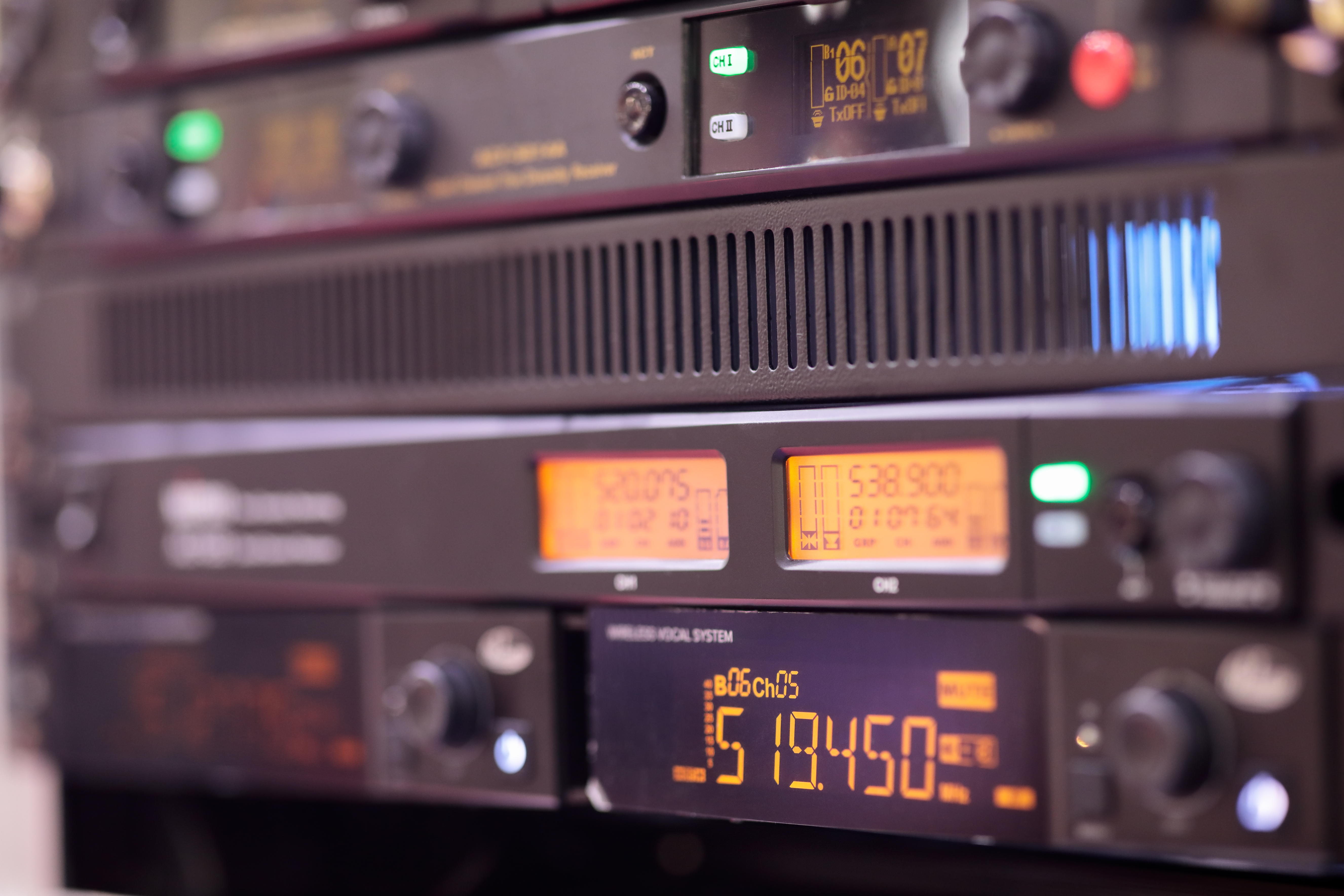
If you’ve ever been in a room where the background hum disrupts the experience, you know the importance of quiet. Let’s first explore some common noise issues that can arise in residential projects.
Common Noise Issues in Residential Projects
In residential projects, noise issues often stem from poorly coordinated systems. You might notice sounds like buzzing, rattling, or low-frequency hums. These can be frustrating, especially when they interfere with audio clarity in your home cinema or AV setup.
Such problems are typically due to air ducts or mechanical systems not being properly isolated. When vibrations from these systems travel through walls and ceilings, they create unwanted noise. This is why understanding how HVAC systems operate in conjunction with AV setups is crucial. Proper planning can prevent these disturbances, ensuring a peaceful environment.
Impact on System Reliability and Performance
Noise isn’t just an annoyance; it can also affect performance. When HVAC noises interfere with your AV systems, it may lead to distorted sound quality. This impacts the overall reliability of your setup, leaving you with a system that doesn’t perform as expected.
Imagine watching a movie and missing key dialogues because of a persistent background hum. This is where system reliability becomes essential. A well-coordinated approach ensures that your AV systems perform without interference, providing a seamless experience every time.
Keys to Successful Coordination
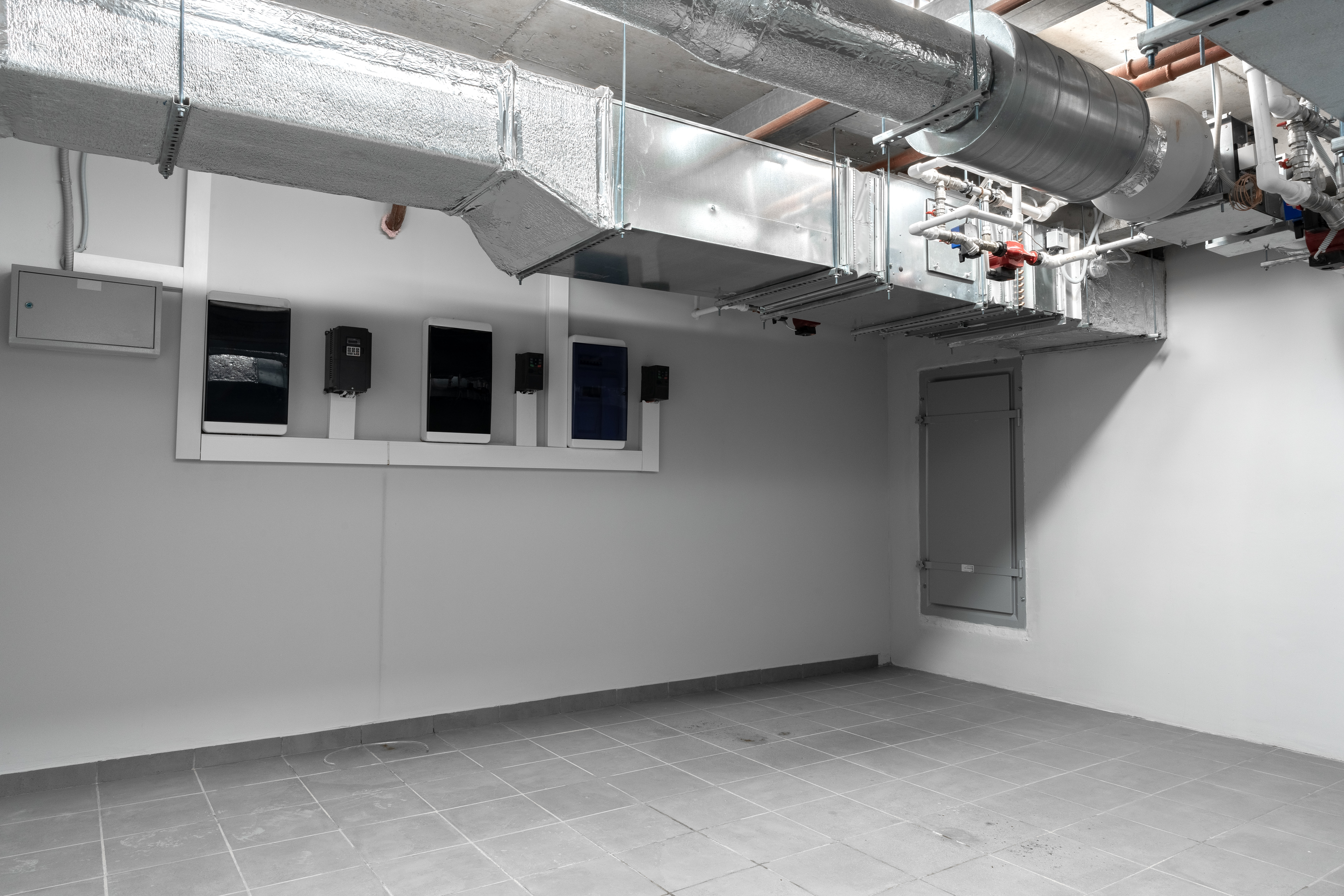
Understanding noise issues is the first step. Next, we delve into how early technical coordination ensures long-term reliability and satisfaction.
Importance of Early Technical Coordination
Starting coordination early helps avoid future headaches. When HVAC and AV systems are planned together from the beginning, potential conflicts are flagged and addressed before construction starts. This proactive approach can save you from costly fixes later on.
By involving specialists early, you ensure that every aspect—from duct placement to system isolation—is carefully considered. This not only prevents noise but also enhances system performance. Early coordination sets a solid foundation, making sure your systems work harmoniously.
Planning for Long-term System Reliability
Long-term reliability is achieved through meticulous planning. It’s not just about quick fixes; it’s about ensuring that your systems continue to perform optimally for years. This involves considering how changes in one system might affect another.
For instance, adjusting HVAC settings shouldn’t disrupt your AV experience. By planning with foresight, you minimize the risk of unexpected issues. This approach provides peace of mind, knowing that your systems are built to last.
Solutions for Noise Control
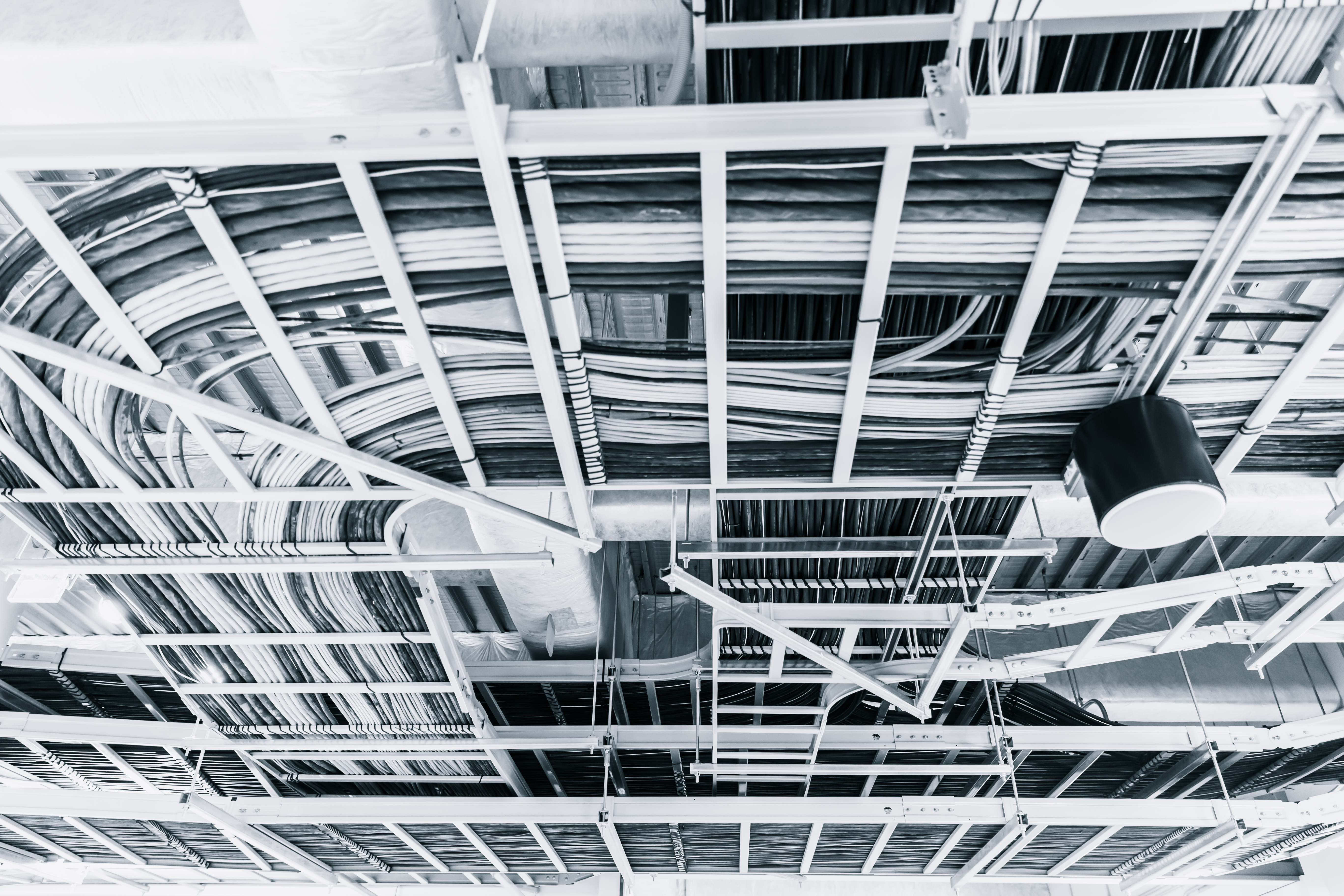
Having laid the groundwork for coordination, let’s explore practical solutions to control noise and enhance system satisfaction.
Strategies for Quiet HVAC Integration
Integrating HVAC systems quietly involves strategic decisions. For example, using flexible ducts and proper isolation techniques can significantly reduce noise transmission. You also want to ensure that duct paths are carefully planned to avoid direct contact with structural elements that can transmit vibrations.
Regular maintenance plays a role too. Ensuring that HVAC components are functioning smoothly prevents the kind of wear and tear that leads to noise. When integration is done thoughtfully, your HVAC system operates quietly without disturbing your AV setup.
AV Systems: Ensuring Long-term Satisfaction
To ensure long-term satisfaction, it’s crucial that AV systems are designed with noise control in mind. This means considering room acoustics, speaker placement, and vibration isolation from the start.
By using resilient mounting techniques and soundproofing materials, you can prevent structure-borne vibrations. Calibration of your AV system is also vital to account for the acoustic characteristics of your space. With these measures in place, you’ll enjoy clear sound and reliable performance, creating a satisfying environment for years to come.
In conclusion, aligning HVAC and AV systems requires thoughtful planning and coordination. By addressing potential issues early and employing noise control strategies, you ensure a quiet, reliable, and satisfying experience in your residential projects.
Read more about our approach to engineering-led residential systems.


