

Galvanized Conduits in Vibration‑Sensitive AV Zones: Hidden Risks to Performance and Stability
Galvanized conduit is a common choice in construction, but in vibration-sensitive AV zones, it can quietly undermine your system’s performance. In UAE residential AV spaces, these conduits transmit vibration and introduce electrical noise that leads to audible rattles and hum in cinemas and private theaters. This creates long-term instability that often goes unnoticed until after walls and ceilings are closed. Understanding these risks early lets you avoid costly rework and ensure grounding and bonding remain reliable from day one.
Galvanized Conduits and AV Vibration
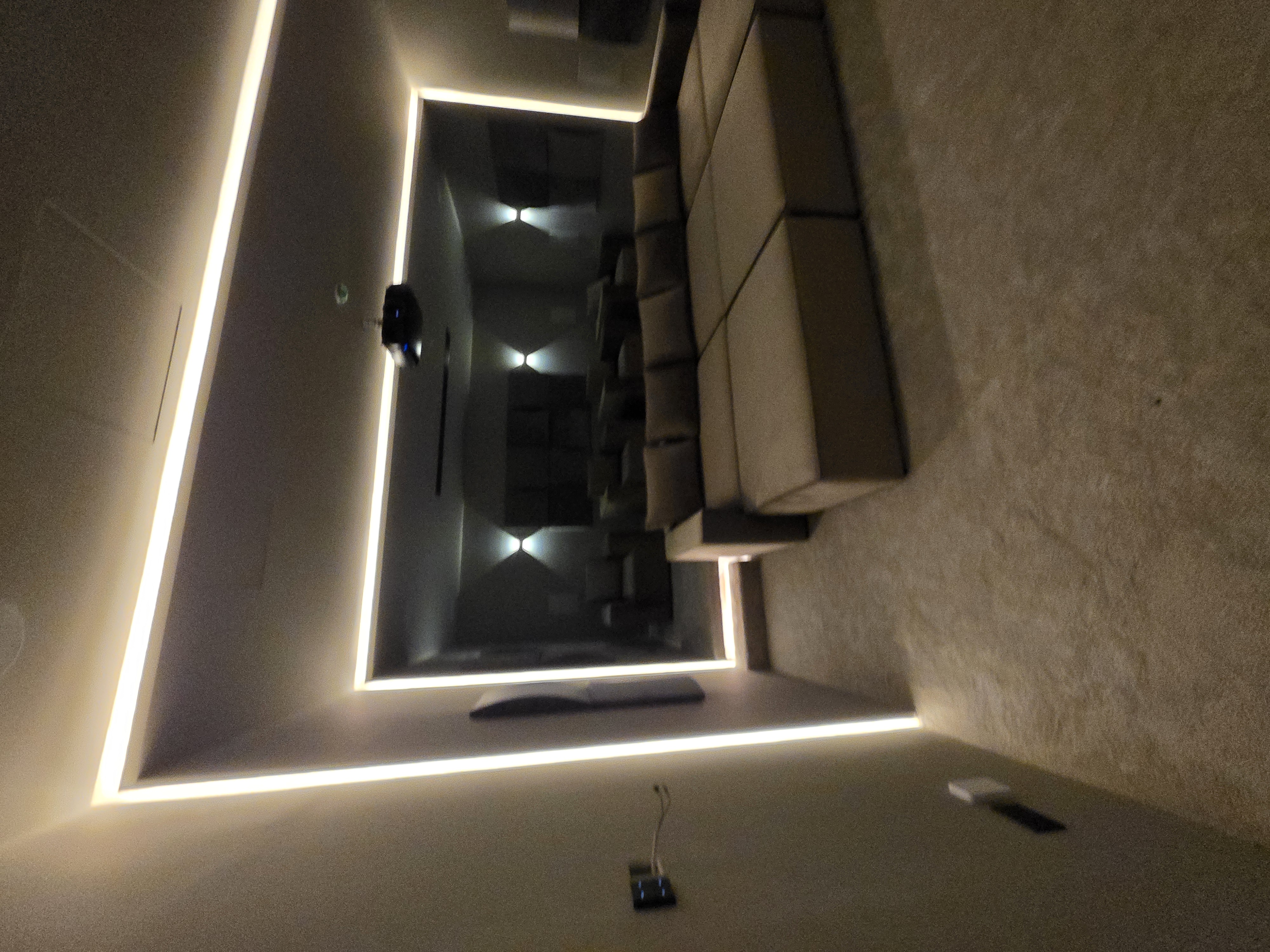
Understanding the core issues with galvanized conduits is essential for anyone involved in high-value residential projects. These conduits might seem a practical solution, but in reality, they pose significant risks in AV environments.
Transmission of Vibration and Noise
Galvanized conduits have a reputation for being sturdy, but their rigidity can be a double-edged sword. In a typical setting, these conduits act as conduits for vibration, transmitting mechanical energy from one part of the structure to another. This happens because metal is an excellent conductor of both electricity and vibration. When sound systems, especially subwoofers, are in play, the vibration transmits through the conduits. This can result in perceptible noise, often experienced as an annoying hum or rattle during quiet moments in a movie.
A real-world example is a cinema room where the subwoofer causes the entire structure to vibrate. Here are some insights:
-
Problem: Audible rattling and buzzing.
-
Solution: Using alternative materials like PVC can help reduce these issues.
In such high-performance environments, the noise is not just a nuisance; it can significantly detract from the viewing experience.
Impact of UAE Conditions on Corrosion
In the UAE, the conditions are uniquely challenging for construction materials. The high humidity and salt content in the air mean galvanized conduits are at a heightened risk of corrosion. Over time, this corrosion weakens the conduit structure, making it more susceptible to breaking and further vibration issues. This corrosion also compromises the electrical grounding and bonding, leading to potential safety hazards.
Most people assume galvanized materials are always the best choice due to their durability. But in the UAE, the harsh environmental conditions often prove otherwise. Corrosion rates can be up to 20% higher than in milder climates, exacerbating these problems.
Long-Term Instability in AV Spaces
The use of galvanized conduits in AV spaces often leads to long-term instability. As walls and ceilings are completed, identifying and addressing these issues becomes increasingly difficult. This is especially true when the conduits are hidden behind finished surfaces. What begins as a minor hum can escalate into significant structural problems, requiring costly rework and potential damage to the AV system’s reputation.
The longer these issues go unaddressed, the more they can impact the overall system integrity. Regular inspections and proactive planning are essential to prevent these unsightly and costly problems from arising.
Alternatives to Galvanized Conduits
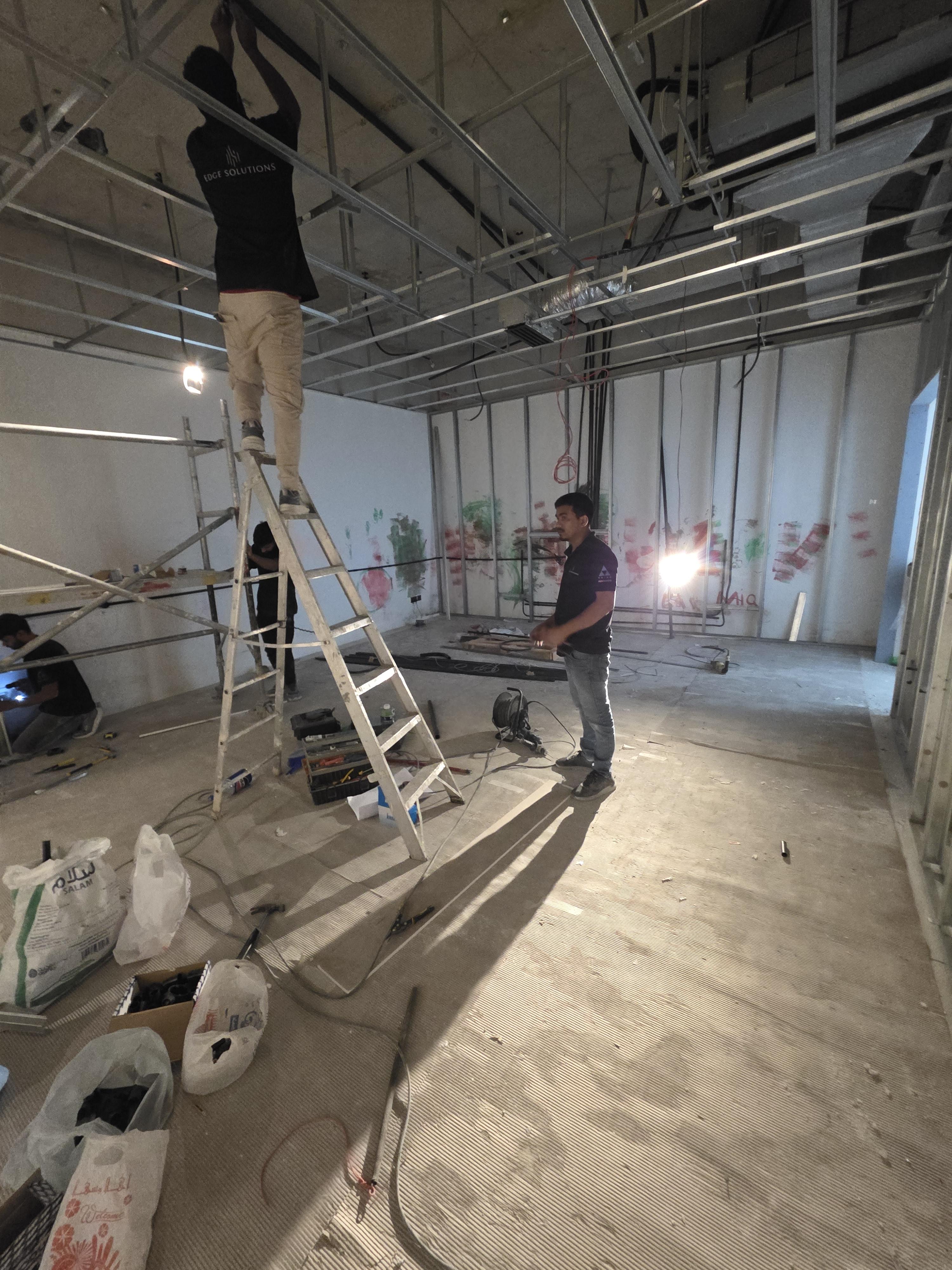
Avoiding the pitfalls associated with galvanized conduits is not just about switching materials. It involves a strategic approach to AV space design, focusing on alternative solutions that enhance both performance and reliability.
Isolation Techniques for Conduit Routing
Isolating conduits from the main structure is a proven technique to reduce vibration transmission. One effective method is using flexible materials that absorb, rather than transmit, vibration. PVC conduits offer a significant advantage here. They are non-conductive and lightweight, making them less prone to vibration issues.
Flexible couplings can also be used to decouple the conduits from rigid structures. This prevents the direct transfer of vibrations from speakers and other equipment through the building’s framework. Implementing these isolation techniques ensures that your AV space remains quiet and free from unwanted noise.
Effective Grounding and Bonding Methods
Proper grounding and bonding are critical to maintaining system stability and safety. This involves ensuring that all electrical components are connected to a common grounding point, using materials that resist corrosion. Copper bonding is often recommended due to its excellent conductivity and corrosion resistance.
By focusing on effective grounding, you not only protect the AV equipment but also enhance the audio-visual experience by eliminating electrical noise. This approach is particularly important in UAE residential AV spaces, where environmental conditions can disrupt standard grounding methods.
Coordination Actions to Avoid Rework
Preventing rework requires early and precise coordination during the design and construction phases. This means working closely with architects, MEP engineers, and contractors to ensure that all AV requirements are met before walls are closed. Detailed planning and regular site inspections are vital to identify potential issues before they escalate.
Here’s the key insight: Most AV failures are coordination failures, not equipment failures. By addressing potential issues early, you protect your investment and ensure that your AV systems perform exactly as intended from day one.
