

Evaluating the Use of GI Conduits in Vibration-Sensitive AV Zones: Risks and Considerations
GI conduits are a common choice for cable protection, but using them in vibration-sensitive AV zones carries hidden risks. Noise interference and structural resonance can quietly degrade residential AV systems, undermining reliability over time. Understanding these risks early—and choosing the right materials during construction planning—can prevent costly issues before walls are closed. This article will guide you through the critical considerations that affect system performance in high-end projects.
Understanding GI Conduits in AV Zones
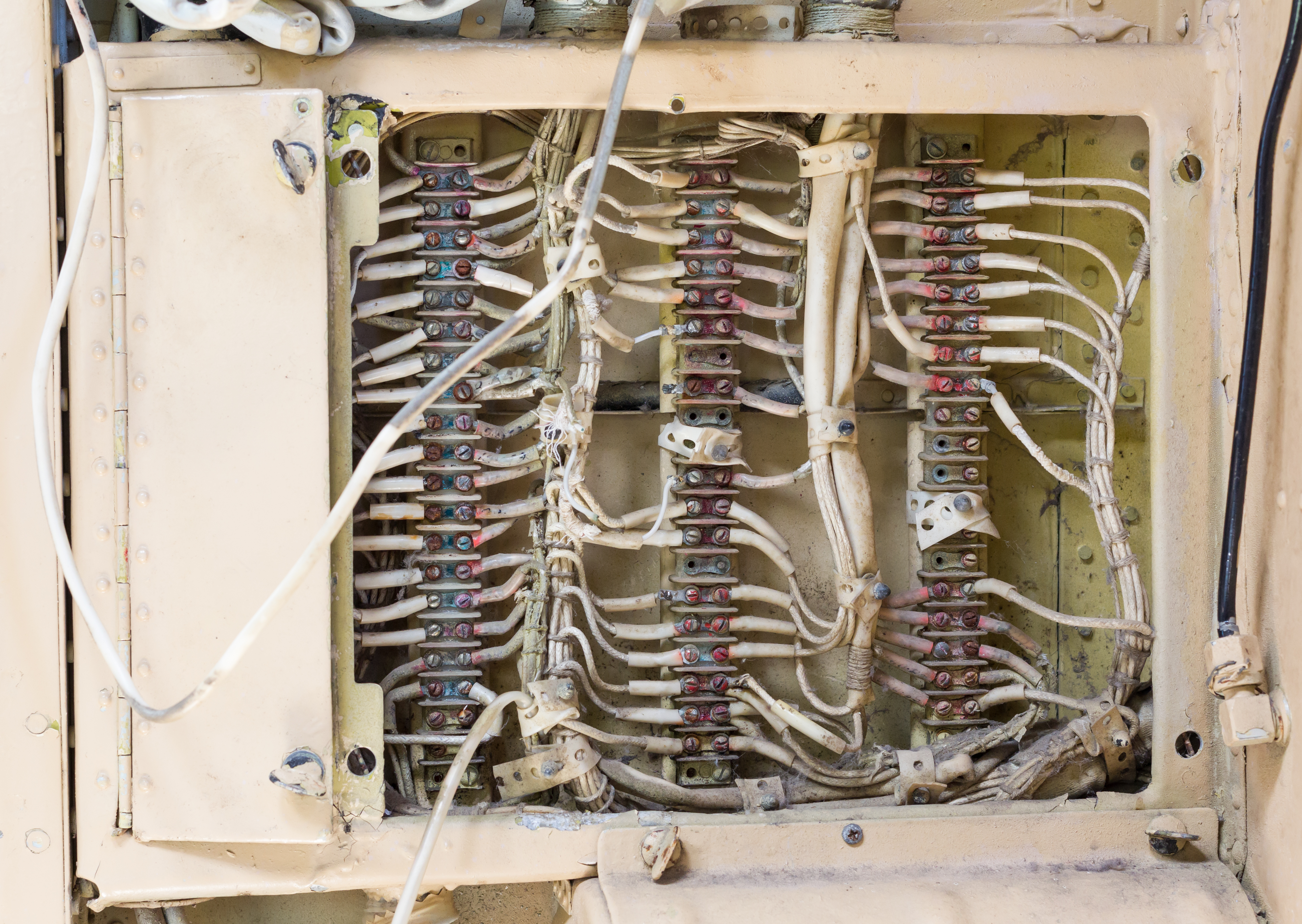
When it comes to high-end AV zones, the materials you select play a crucial role in overall system performance. One common choice is the GI conduit, but it brings specific risks.
Risks in Vibration-Sensitive Areas
GI conduits are known for their durability, but they can become problematic in spaces sensitive to vibration. These conduits may act as pathways for vibrations, causing unwanted noise. Such disturbances are not always immediately noticeable but can become more apparent over time. Imagine watching a movie in your private cinema, only to be interrupted by rattling sounds every time the bass kicks in. These interruptions can quickly turn a state-of-the-art system into a source of frustration rather than enjoyment. Thus, understanding these risks early is key to maintaining the integrity of your AV zone.
Impact on AV System Reliability
The reliability of your AV system shouldn’t be compromised by poor material choices. GI conduits, when improperly used, can introduce structural resonance that affects sound quality. This resonance might degrade the system’s performance, leading to audio issues that calibration can’t fix. Consider the long-term implications: repeated disturbances during crucial movie moments or while enjoying your favorite playlist. Consistent noise interference not only ruins the experience but may also cause unnecessary wear and tear on your equipment. By focusing on proper materials, you can safeguard against these disruptions, ensuring your system remains reliable.
Key Considerations for Material Selection

The materials you choose are pivotal in avoiding problems related to noise and vibration. Selecting the right ones can help you achieve optimal system performance.
Noise Interference and System Performance
Noise interference is a silent disruptor in AV systems. Choosing the wrong conduit material can lead to issues that impact your system’s functionality. With GI conduits, vibrations can travel through the metal, causing a buzzing sound. Imagine the disappointment of a homeowner who invested in high-grade speakers, only for the sound to be compromised by conduit-related interference. The key here is selecting materials that minimize such risks. PVC conduits, for example, might offer better insulation against vibrations, reducing noise interference. By making informed choices, you ensure your system’s performance remains unhindered.
Role of Construction Planning
Incorporating thoughtful construction planning at the outset of a project is essential. It allows you to anticipate and address potential issues before they become costly problems. Consider a scenario where you’ve closed the walls before identifying conduit-related noise issues. The result? Expensive rework and potential damage to newly installed finishes. Effective planning involves consulting with experts early in the process, selecting materials wisely, and ensuring that all elements are compatible. By focusing on these elements, you safeguard your project against future disruptions.
Mitigating Risks in Residential AV Systems
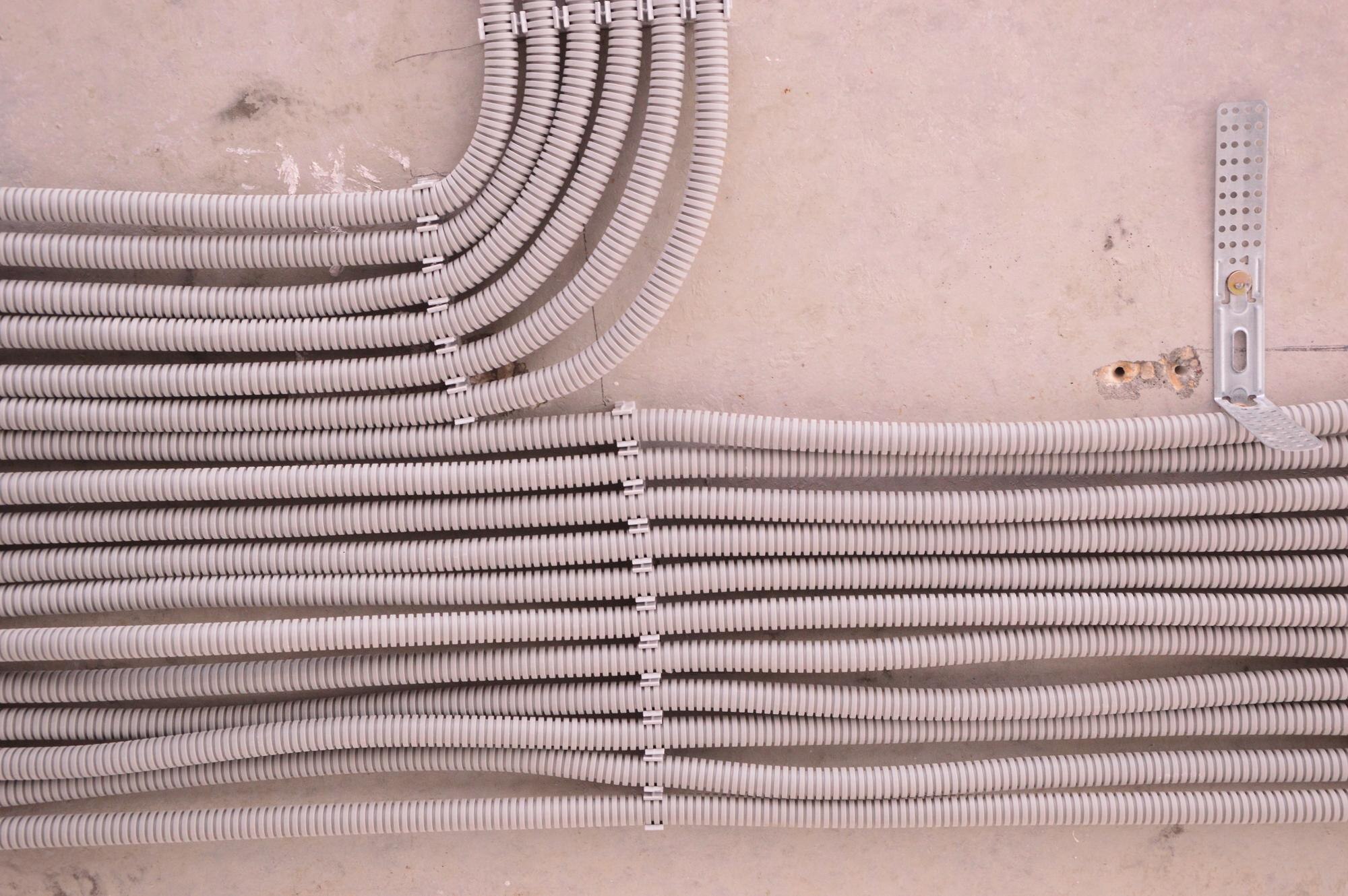
To prevent issues, proactive steps in planning and material selection are vital. Here’s how you can achieve long-term assurance in your AV zones.
Proper Planning for Long-Term Assurance
Long-term system performance begins with proper planning. By identifying potential risks early, you can make informed decisions that prevent future problems. Imagine the peace of mind that comes from knowing your system is designed for longevity, not just initial performance. To achieve this, work with experienced professionals who understand the intricacies of AV system installations. Their expertise can guide you in choosing the right materials and planning your construction phases effectively. This foresight ensures a robust system that meets high standards.
Consulting with CineTech Automation
When it comes to mitigating risks and ensuring system reliability, consulting with experienced professionals is invaluable. CineTech Automation specializes in planning and executing high-performance AV systems. By engaging with experts who understand the complexities of AV installations, you gain insights that prevent costly mistakes. They provide the technical know-how needed to navigate material selection and construction planning, ensuring your system functions as intended. With their guidance, you can confidently move forward, knowing your investment will deliver the quiet, reliable performance you expect.
In conclusion, the choice of materials and the planning process play critical roles in the success of your AV system. By focusing on these elements, you ensure a system that performs as intended for years to come.


