

Engineering Vibration Control in Private Cinemas: Techniques and Best Practices
Vibration in private cinemas is often overlooked until it disrupts audio clarity or travel to adjacent spaces. If your project is in the UAE, controlling structure-borne noise must be planned well before construction close-out. This post lays out key techniques like floating floor systems, room within a room designs, and resilient channel clips to reduce rework risk and protect your investment. Understanding these methods will help you ensure your home theater vibration stays contained and your cinema performs as intended for years.
Vibration Control Fundamentals
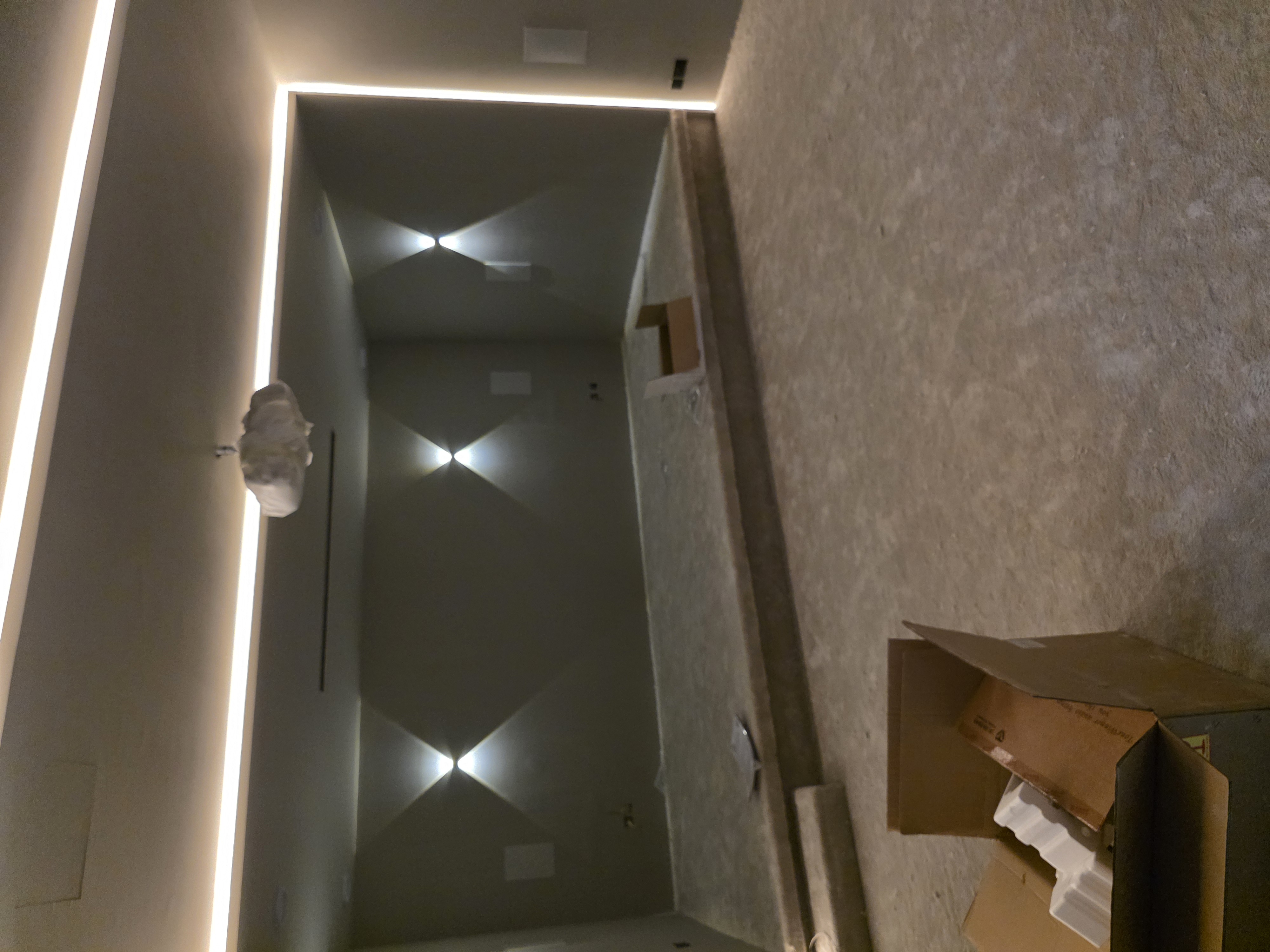
To ensure your cinema performs flawlessly, understanding the fundamentals of vibration control is crucial. This means distinguishing between different types of noise and identifying common sources in your cinema setup.
Structure-Borne vs. Airborne Noise
Noise in cinema rooms travels in two main ways. Structure-borne noise moves through the building’s framework. It results from mechanical energy traveling across floors, walls, and ceilings. This type of noise often causes the most trouble because it can’t be solved with simple tuning or software adjustments. On the other hand, airborne noise travels through air gaps, vents, or poorly sealed spaces. This noise is easier to manage with proper sealing and design choices.
Common Sources in Private Cinemas
In your cinema, several elements can contribute to unwanted noise. Rigid connections between structural components can transmit low-frequency vibrations, leading to disruptive sound. Another culprit is improper conduit routing, where long metal runs create bridges for vibration. Subwoofer placement is also key, as direct contact with floors can produce unwanted resonance. Lastly, loose elements like cable trays or brackets can rattle, adding to the noise problem.
Engineering Solutions for Isolation

Effective solutions for noise isolation in private cinemas involve targeted engineering techniques. These methods focus on separating components to prevent sound travel.
Slab Isolation and Floating Floors
One effective approach is using floating floor systems. These involve placing flooring on a secondary base with shock-absorbing materials in between. This setup reduces direct vibration transmission. By creating a gap, these floors serve as barriers, breaking the path of structure-borne noise. This can significantly enhance the sound quality within your cinema space and prevent disturbances from affecting adjacent rooms.
Room-Within-A-Room Construction Techniques
Another robust solution is the room-within-a-room design. This involves building secondary walls and ceilings within the cinema, disconnected from the main structure. These inner constructions are mounted on resilient channels or spring hangers, allowing them to “float” independently. This design creates a buffer zone that absorbs vibrations before they can propagate. While it requires careful planning, this method is highly effective for maintaining acoustic integrity.
Coordination and Verification
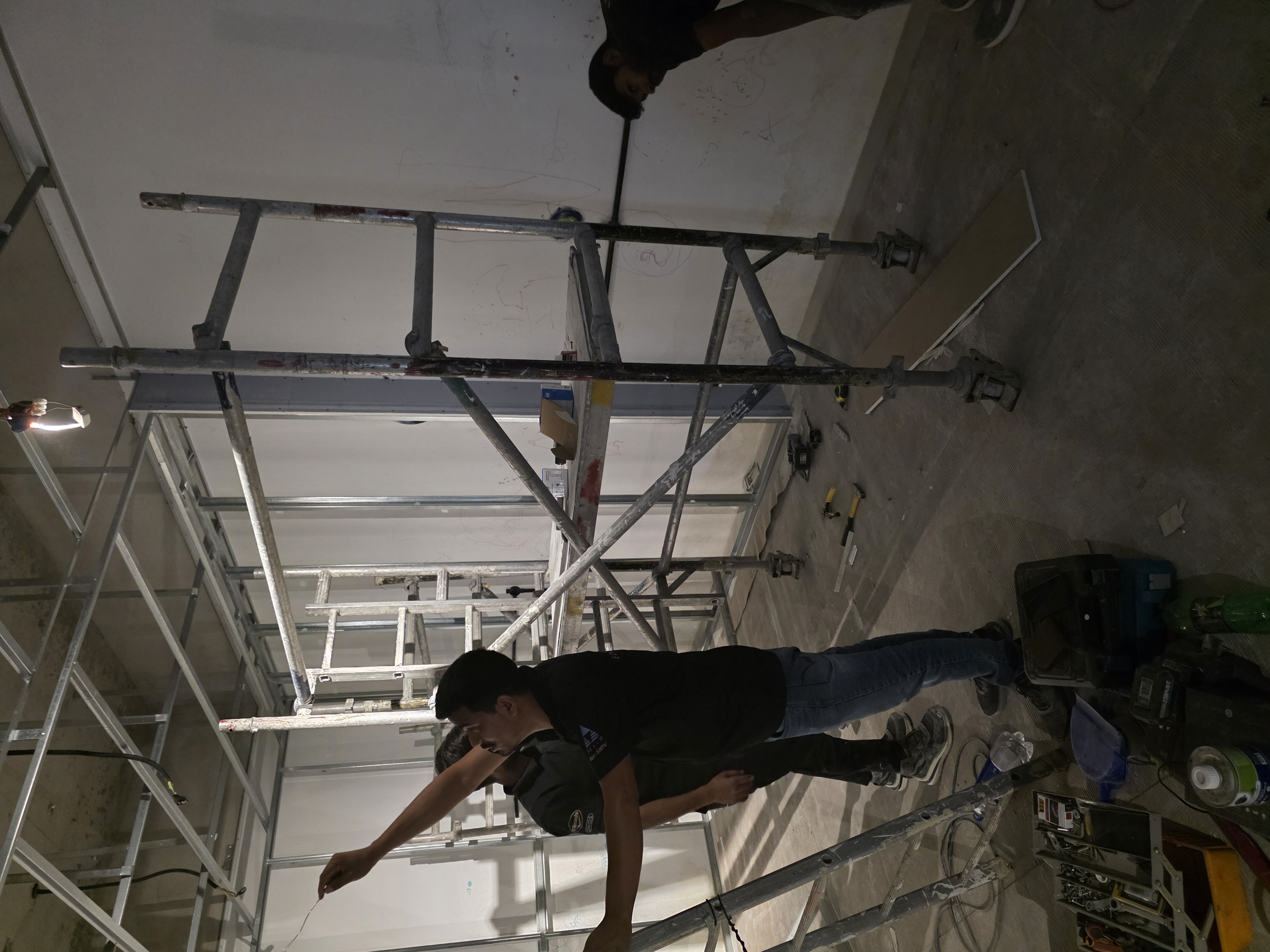
Beyond technical solutions, achieving effective noise control requires coordination and thorough verification. Proper planning and checks ensure that your cinema functions as intended.
MEP Coordination for Low-Noise Systems
Coordinating with mechanical, electrical, and plumbing (MEP) systems is essential. Positioning HVAC components to minimize vibration, using flexible connections, and choosing low-noise equipment can greatly reduce interference. This coordination prevents mechanical noise from impacting the cinema’s acoustic environment and maintains optimal sound quality.
Verification Steps and Commissioning Criteria
Before finalizing construction, take steps to verify that all systems work as intended. Conduct tests to identify any residual vibrations using a checklist. Ensure service penetration sealing is complete and evaluate acoustic isolation details. Proper commissioning confirms that the cinema meets noise criteria, like NC-25, ensuring a quiet and immersive experience.
In summary, controlling vibration in private cinemas involves understanding noise types, implementing engineering solutions, and ensuring careful coordination. These measures not only protect your investment but also enhance the cinema experience.


