
Documentation and Communication: The Foundation of Reliable Residential AV
Most residential AV problems trace back to poor documentation and unclear communication. When walls close, mistakes in wiring diagrams, rack elevations, or HVAC noise control become costly or impossible to fix. Your project’s success depends on disciplined AV documentation UAE and firm coordination among all teams. This post will outline the essential documents and workflows that keep high-end residential AV projects on track in the UAE.
Importance of AV Documentation and Communication
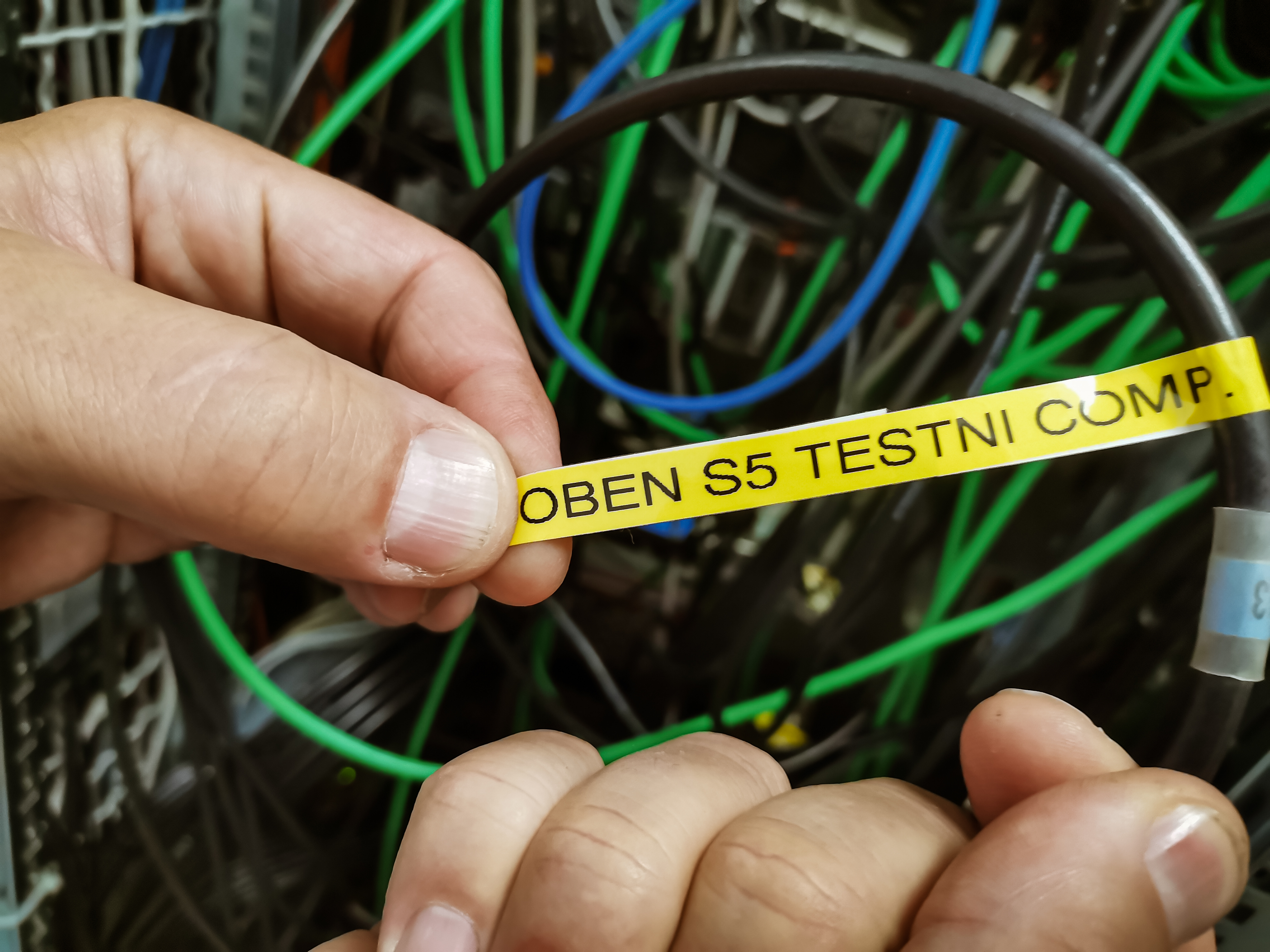
Solid documentation and clear communication are the backbone of successful AV projects. They prevent noise disruptions and costly integration failures. Let’s explore how these elements keep projects on track.
Preventing Noise and Integration Failures
Noise and integration failures often stem from overlooked details. Imagine your cinema room suffers from annoying hums or buzzing. These issues frequently arise from unplanned connections or poor system integration. By prioritizing clear documentation, such as detailed wiring diagrams, you ensure every element is accounted for and works together smoothly. This foresight means you avoid unpleasant surprises later. The ultimate goal? A quiet and immersive experience without interruptions.
Reducing Rework in High-End Projects
Rework is costly and time-consuming. In high-end AV projects, it’s crucial to get things right the first time. Detailed documentation acts as a roadmap, guiding teams through each phase. When every detail is pre-planned and recorded, the likelihood of errors drops significantly. This careful approach saves time and resources, allowing you to focus on enjoying your new system rather than troubleshooting issues. Remember, proper planning is your best defense against rework.
Essential Documentation for AV Success

To achieve AV success, certain documents are essential. They provide a framework that ensures systems are built to last. Let’s look at what these documents include and their importance.
Comprehensive Wiring Diagrams and Rack Elevations
Wiring diagrams and rack elevations are crucial for seamless installation. They provide a clear visual guide to where each wire and component fits. Picture having a map that shows precise locations for every cable and device. This clarity prevents guesswork and mistakes. When your team follows these diagrams, installation becomes straightforward, reducing the chance of errors. It’s a simple step that ensures everything connects as it should, creating a flawless system setup.
Detailed Power and Grounding Plans
Power and grounding plans are vital for system stability. Incorrect grounding leads to hums, buzzes, or even equipment damage. Detailed plans specify exact power requirements and grounding techniques for each component. These plans protect your system from electrical issues and ensure reliable performance. With everything properly grounded, your system runs smoothly, allowing you to enjoy your AV experience without interruptions or technical glitches.
Effective Communication and Coordination
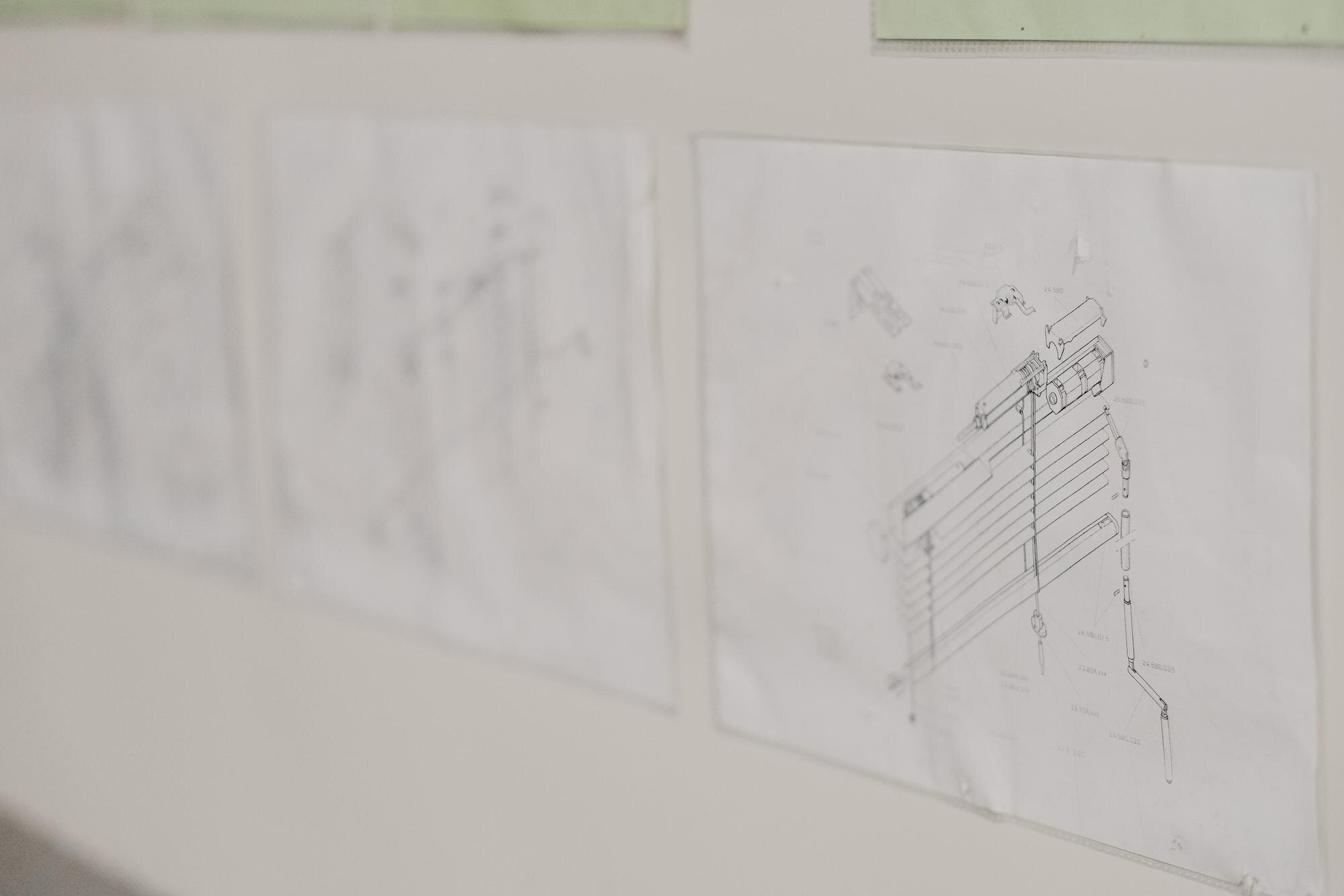
Documentation alone isn’t enough; effective communication is key. It’s about ensuring everyone is on the same page and working towards the same goals. Let’s explore how structured communication enhances project outcomes.
Structured Communication with Project Stakeholders
Structured communication means regular and clear updates with all stakeholders. This keeps everyone informed and aligned. Imagine a project where changes are communicated promptly, with no surprises. When all parties share the same information, misunderstandings are minimized. This approach fosters collaboration and ensures everyone knows their responsibilities, leading to smoother project execution and better results.
Change Control Processes and AV RFI Management
Change control processes and AV RFI (Request for Information) management are essential for handling modifications efficiently. Changes are inevitable, but managing them effectively is crucial. By having a structured process, you can assess impacts and make informed decisions. Imagine having a system where changes are tracked, reviewed, and approved transparently. This structure ensures changes enhance rather than disrupt the project, maintaining quality and timelines.


