

Distributed Audio Systems: Elevating Your Home’s Sonic Experience
Distributed audio systems often fail to meet expectations when planned late or without technical oversight. You may notice uneven sound, interference, or control problems that are costly to fix after construction. Getting audio system planning right from the start ensures consistent sound quality enhancement across your home and avoids expensive mistakes. This post explains why engineering discipline and early coordination are essential for reliable home audio integration in UAE smart homes.
Understanding Distributed Audio Systems
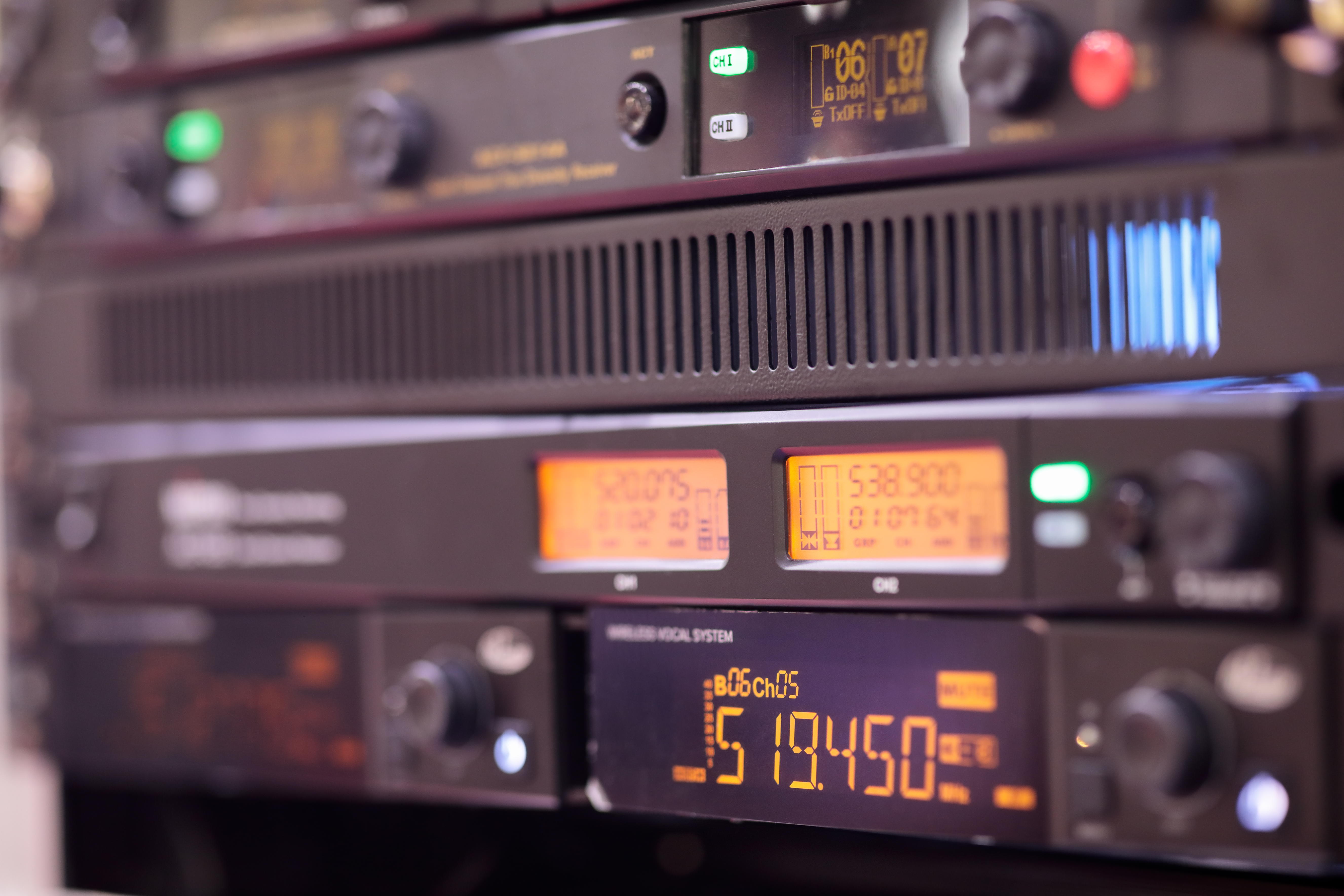
Distributed audio systems can significantly enrich your home environment when thoughtfully designed. They offer the potential to create an immersive auditory experience throughout your living space.
Enhancing Sound Quality at Home
Imagine walking from room to room and hearing your favorite music without interruption. Distributed audio systems make this possible by providing consistent sound across your home. By integrating speakers into ceilings or walls, these systems avoid unsightly wires and equipment clutter.
To achieve this, it’s crucial to focus on the placement and calibration of speakers. This ensures that the sound quality remains high, with balanced audio levels that prevent any room from being too loud or too quiet. By addressing these factors early, you avoid the frustration of having to fix sound issues later.
Key Components and Functionality
At the heart of any distributed audio system are its components: amplifiers, speakers, and controllers. Each plays a pivotal role in delivering seamless sound. Amplifiers power the speakers, ensuring they produce clear and robust audio. Controllers allow you to adjust settings to suit your preferences or the mood of the house.
When selecting components, consider their compatibility and how they can be integrated into your existing home setup. This integration is critical for smooth operation and ease of use. With the right components, you can tailor the system to fit different zones in your home, whether it’s for a family gathering in the living room or a quiet evening in the study.
Importance of Early Planning
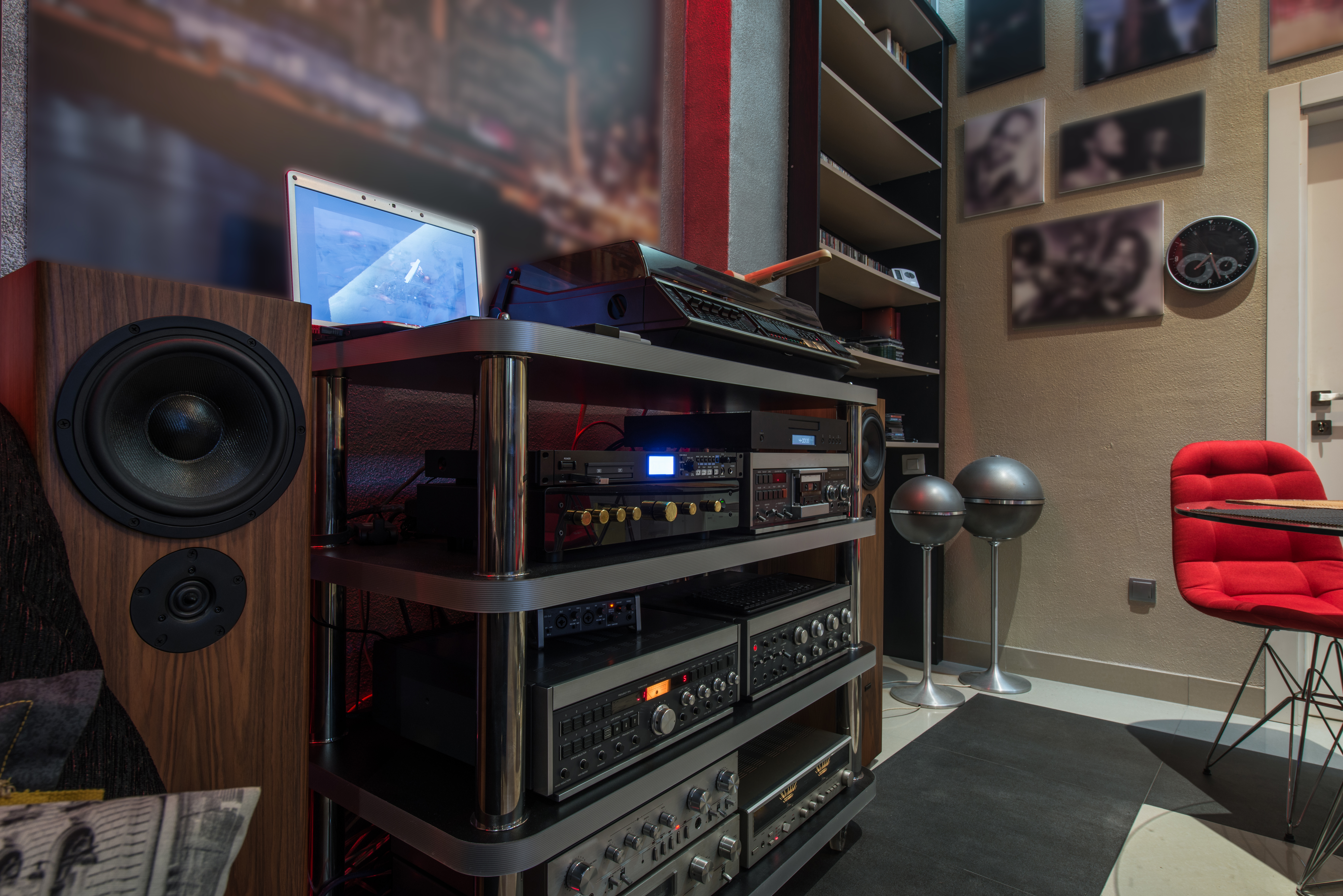
Early planning of distributed audio systems can save you from costly errors and ensure optimal performance. It allows you to incorporate necessary technical considerations into your home design from the outset.
Engineering Precision in Audio Systems
Engineering precision is key when planning an audio system. By involving experts early, you ensure that the system is tailored to your home’s unique architecture. This means considering factors like room dimensions, materials, and acoustics.
Working with professionals who understand these nuances helps prevent common pitfalls, such as sound distortion or weak connectivity. This foresight is invaluable in creating a system that delivers high-quality sound consistently.
Avoiding Common Installation Pitfalls
To avoid pitfalls, it’s essential to coordinate with other trades involved in your home construction. Miscommunication can lead to issues like speaker placement conflicts or interference with other systems.
One common mistake is not allocating sufficient space for equipment, leading to overheating or limited accessibility. By planning ahead, you can ensure that all components have the space and environment needed for optimal performance.
Ensuring Long-term Reliability
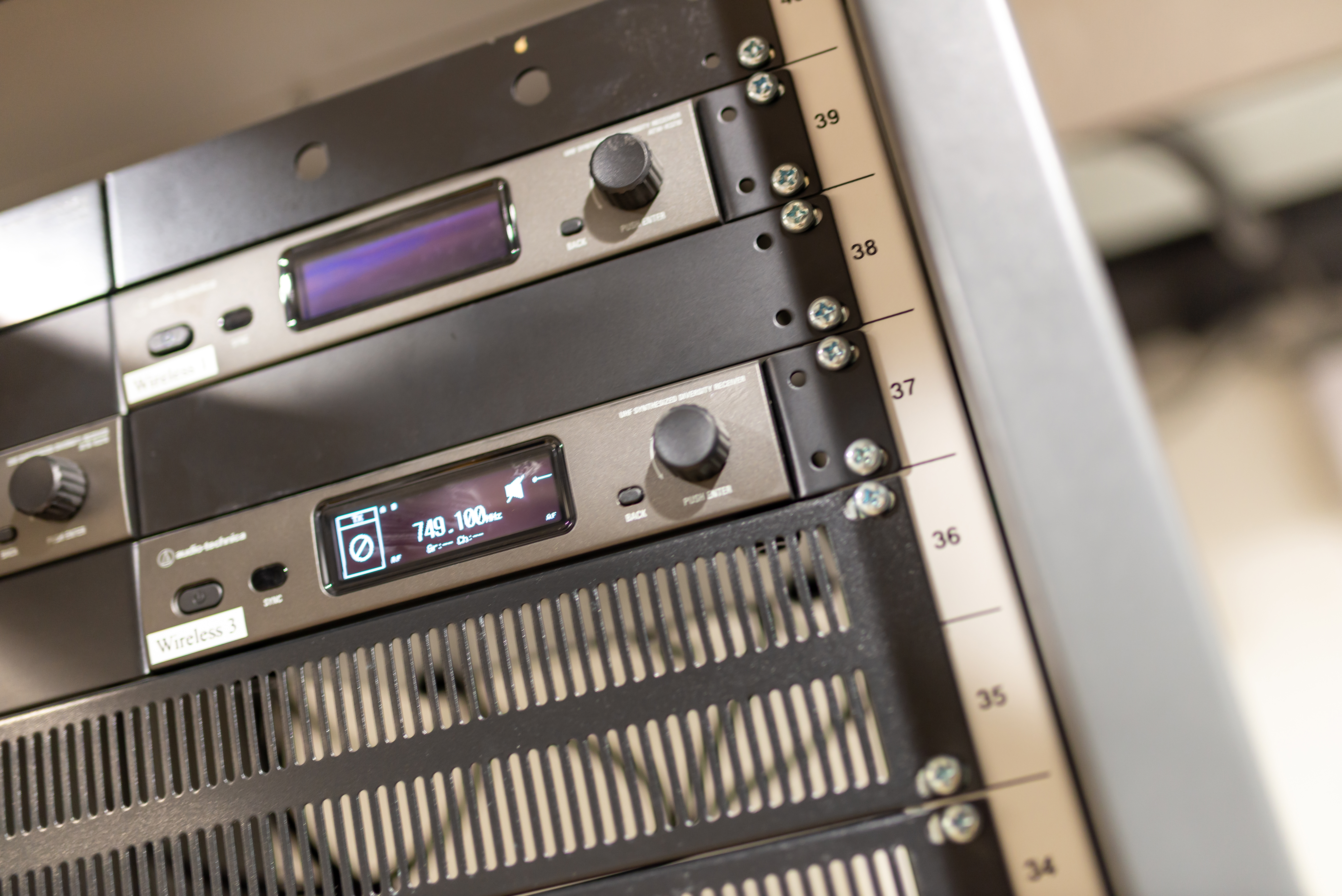
A well-planned audio system not only elevates your home’s sound quality but also ensures reliability for years to come. This requires strategic planning and ongoing maintenance.
Acoustic Optimization Strategies
Acoustic optimization is paramount for long-term reliability. This involves tailoring your system to the acoustics of each room, taking into account factors like furniture placement and wall materials.
Effective acoustic optimization reduces the likelihood of sound issues and enhances the overall listening experience. Regular maintenance and adjustments as your home environment changes can also help sustain sound quality.
Planning for UAE Smart Homes
In the context of UAE smart homes, planning takes on additional dimensions. The integration of distributed audio systems with other smart technologies is increasingly common, requiring careful coordination.
Highlighting the importance of early technical oversight and precise engineering, this planning ensures that your audio system complements other smart features, such as automated lighting or climate control. By doing so, you create a cohesive home environment that enhances comfort and convenience.
In summary, distributed audio systems, when planned and executed with precision, can transform your home into a harmonious soundscape. Prioritizing early involvement and technical expertise is crucial to avoiding costly mistakes and ensuring your system performs reliably for years to come.

