Designing Maintenance Access in Integrated Home Automation Projects
Maintenance access is too often treated as an afterthought in integrated home automation projects. When it is left until finishes are complete, service tasks risk damaging surfaces or causing avoidable downtime. You need clear planning for service clearances, access panels, and rack working space well before construction closes. This post explains how early coordination with MEP, joinery, and interiors cuts MTTR and prevents costly rework in UAE residential projects.
Importance of Maintenance Access
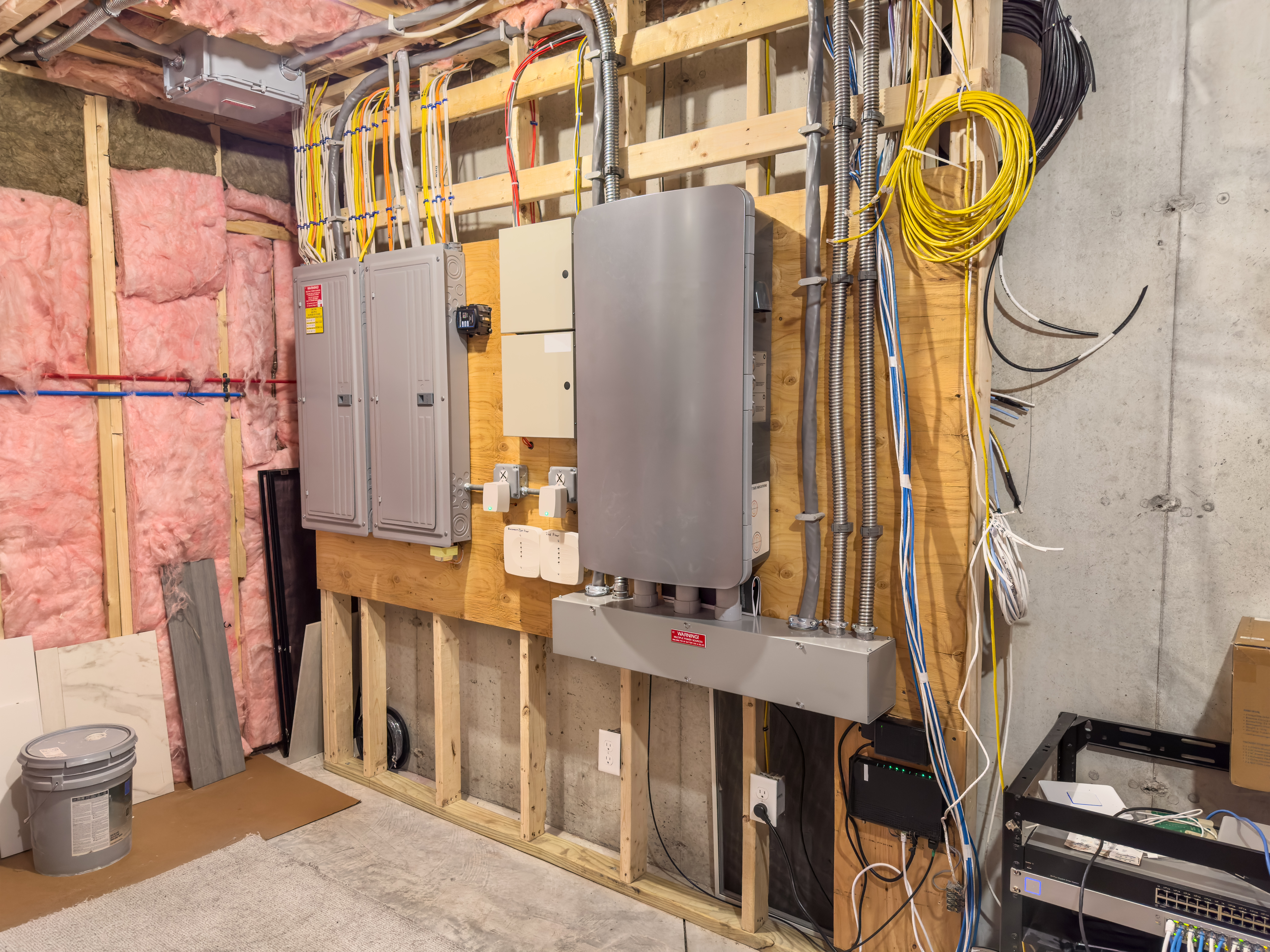
In the realm of home automation, planning for maintenance access is crucial. This step ensures that your systems are reliable and damage-free over time.
Design Requirement, Not Afterthought
When considering maintenance access, it is essential to make it a part of the initial design. Waiting until the last minute can lead to damaging finishes and increased costs. By incorporating these considerations early, you can ensure that service work can be done without disrupting your home’s aesthetics or functionality. Most people think this can be handled later, but early planning is key to avoiding issues.
Ensuring Serviceability in Smart Homes
With smart homes, serviceability becomes even more important. The interconnected nature of these systems means that any disruption can have a cascading effect. Planning for easy access to components ensures that repairs or updates can be conducted swiftly and efficiently. It’s not just about fixing problems; it’s about maintaining the seamless operation of your home’s technology.
Minimizing Down Time and Damage
By focusing on service clearances and access points during the design phase, you can drastically reduce the risk of downtime. This proactive approach prevents costly rework and ensures that your home remains in pristine condition. The longer you wait to address these issues, the more likely you are to face unnecessary complications and expenses.
Key Components Needing Access
As you plan your home automation project, it’s vital to identify and prioritize the components that require easy access for maintenance.
AV Rack Layout and Equipment Rooms
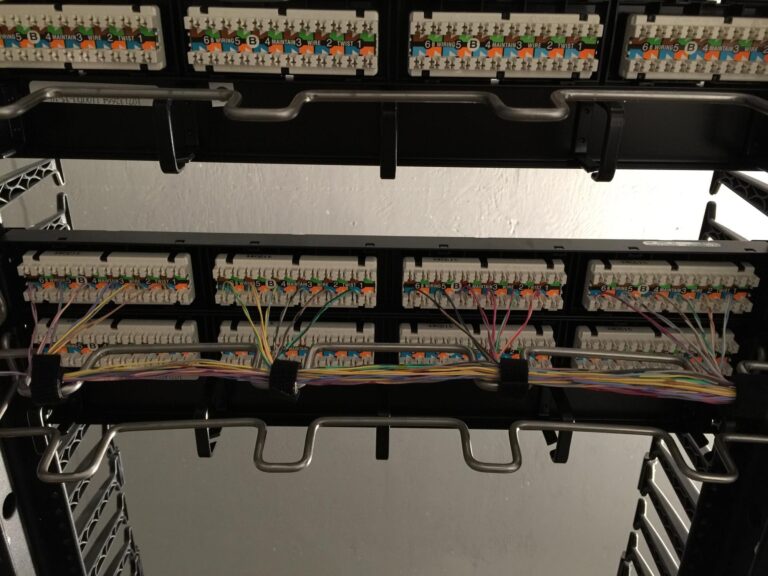
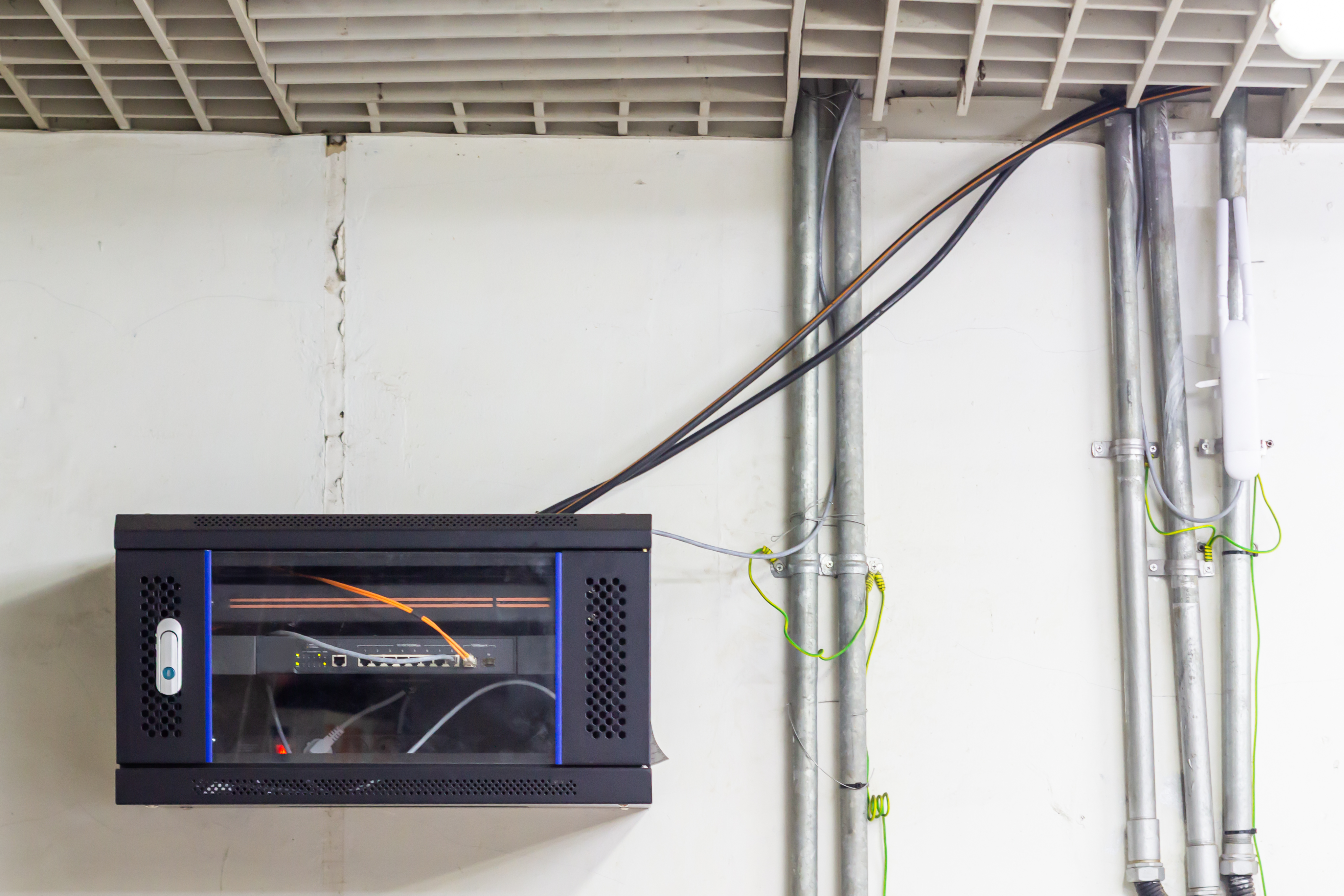
The AV rack layout is a critical component in any automated home. Ensuring that these racks are easily accessible can prevent a host of issues. You need to consider how equipment rooms are organized to allow for proper airflow and cable management. The goal is to create a space where everything is reachable without hassle. Proper planning ensures that updates or repairs don’t lead to unexpected downtime.
Structured Cabling and Access Panels
Structured cabling is the backbone of any smart home. To maintain this system’s integrity, access panels should be strategically placed. This allows for easy adjustments or repairs without the need to dismantle walls or ceilings. You might assume these panels aren’t necessary, but they play a crucial role in long-term maintenance. Good access ensures that your system runs smoothly and efficiently.
Ventilation and Heat Management
Managing ventilation and heat is often overlooked but is vital for system longevity. Proper placement of vents and heat management systems prevents overheating, which can lead to equipment failure. Ensuring these areas are accessible allows for routine checks and maintenance, keeping your systems running at optimal performance.
Effective Coordination and Documentation
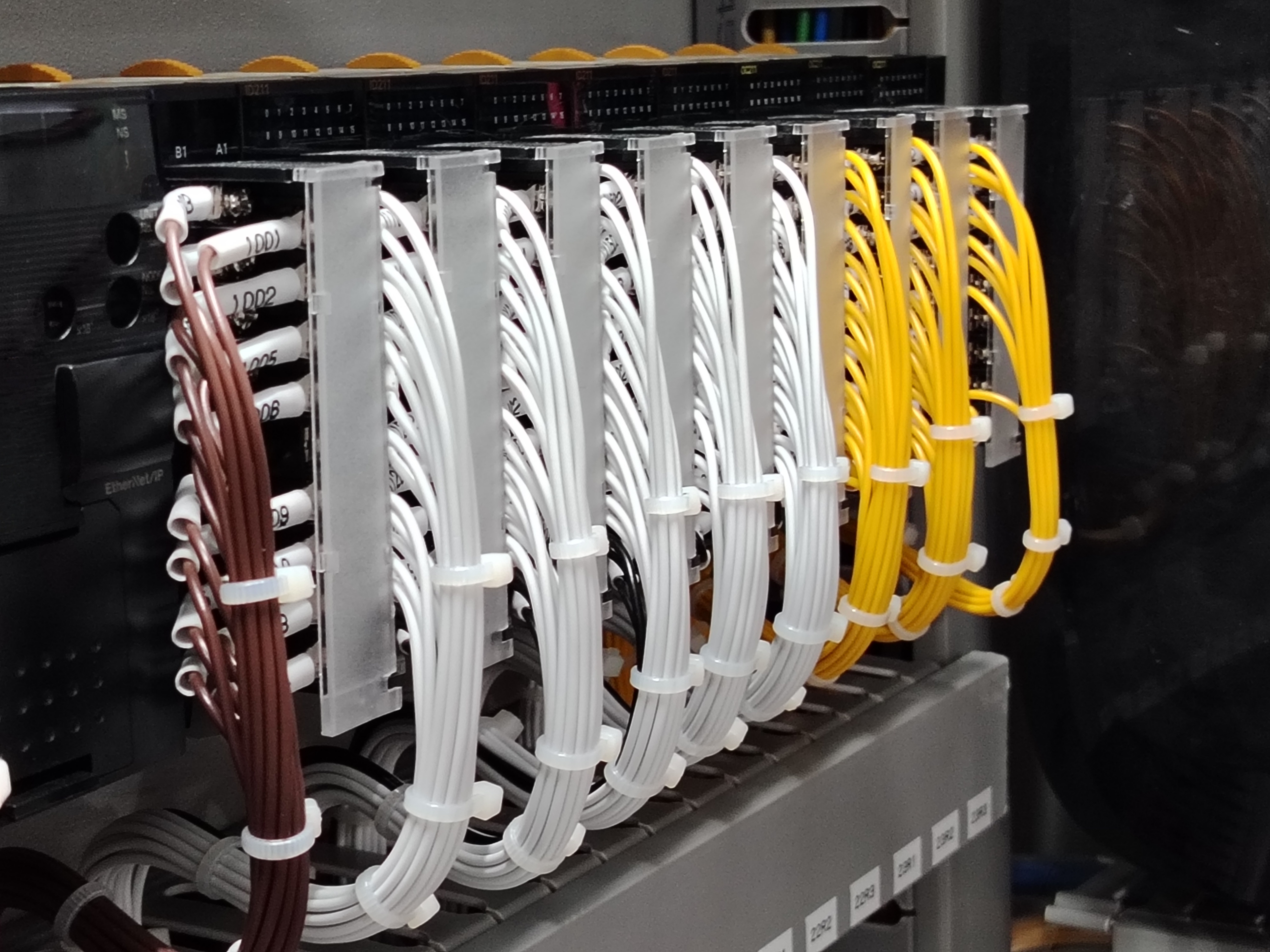
The success of your project hinges on effective coordination and proper documentation. This ensures that everyone involved is on the same page and that future maintenance is a breeze.
MEP and Joinery Coordination
Coordinating with MEP and joinery teams ensures that all systems are integrated smoothly. This collaboration helps identify potential conflicts before they become issues. Proper MEP coordination allows for seamless integration of all components, minimizing the risk of disruption.
Documenting Service Clearances
Documenting service clearances is an essential step in maintaining your home automation systems. By keeping clear records, you ensure that future maintenance tasks can be completed quickly and efficiently. This foresight prevents unnecessary downtime and keeps your systems running smoothly.
Reducing MTTR and Preventing Rework
Focusing on reducing MTTR (Mean Time to Repair) is crucial in maintaining the efficiency of your home’s systems. By planning for easy access and documenting all relevant information, you can significantly reduce repair times. This proactive approach not only saves time but also prevents costly rework, ensuring that your home systems remain reliable and hassle-free for years to come.
In conclusion, prioritizing maintenance access from the outset of your home automation project is vital. By ensuring that all components are accessible and well-documented, you can maintain the reliability and efficiency of your systems, preventing costly errors and ensuring long-term satisfaction.