

Balancing Architectural Intent with AV System Requirements: A Technical Perspective
Balancing architectural integration with AV system requirements often exposes hidden conflicts that surface too late in construction. When design intent clashes with technical needs, the result is costly rework or compromised system reliability. This post explains how careful construction coordination and engineering-driven AV solutions align private cinemas and smart home design without sacrificing long-term performance or aesthetic goals.
Harmonizing Design and AV Systems
Understanding how to blend architectural design with AV systems is crucial for any high-end residential project. The first step in this process is recognizing the architectural intention behind a space.
Understanding Architectural Intent
Architectural intent is not just about aesthetics; it’s about creating a space that fulfills both function and form. When you look at a room designed for private cinemas or smart homes, the challenge lies in maintaining the intended flow and purpose.
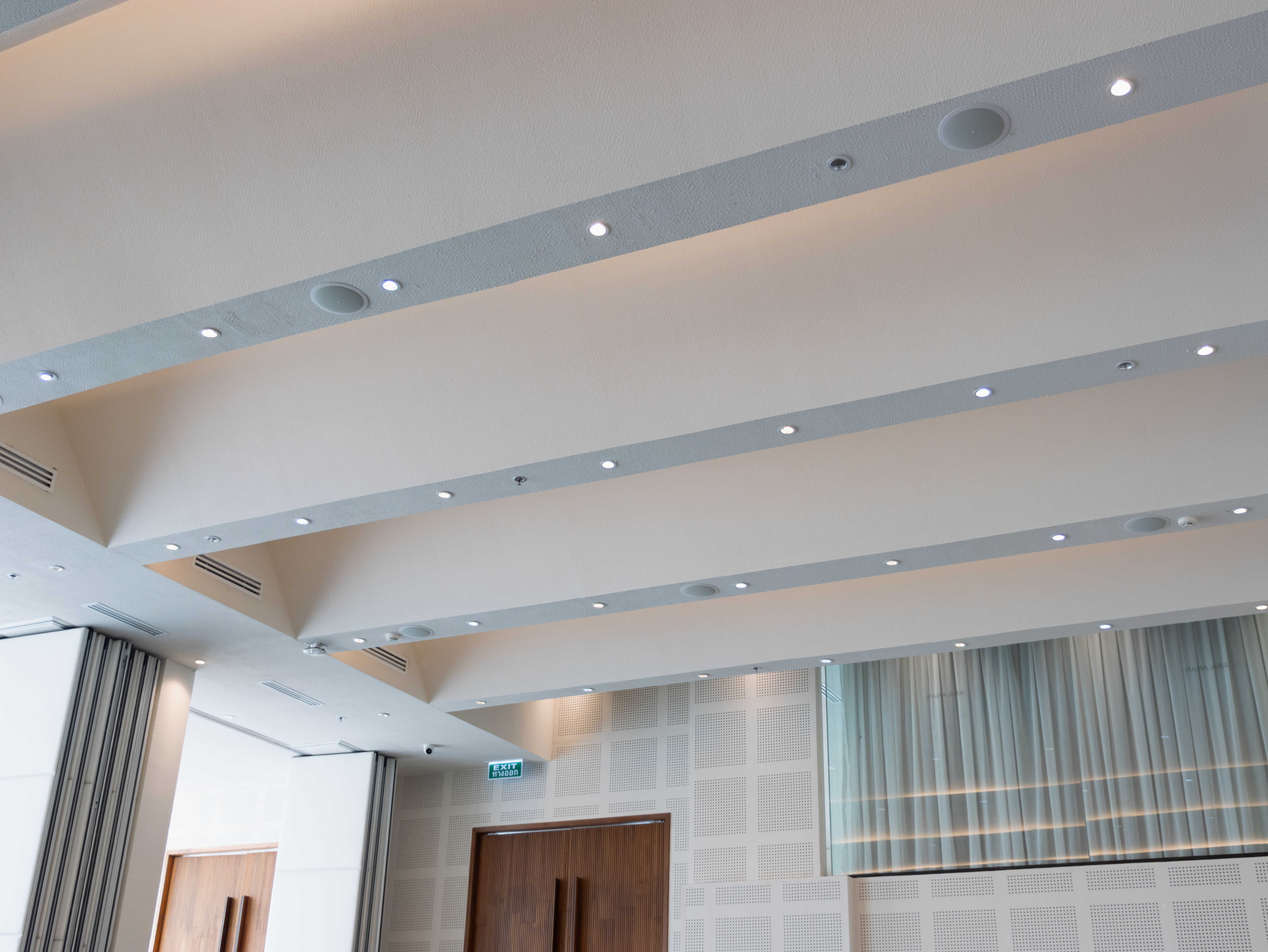
In private cinemas, for instance, an architect may envision clean lines and unobtrusive designs. This vision can conflict with technical necessities like speaker placement or acoustic treatments. To overcome this, early coordination between architects and AV engineers is vital. By reviewing plans together, potential conflicts can be identified and resolved before they escalate into costly issues.
Meeting AV System Requirements
While architectural intent sets the stage, meeting AV system requirements ensures the performance. AV systems need precise conditions to function optimally. This means considering factors like acoustics, speaker positioning, and system reliability.
For example, sound quality in a cinema room can be significantly impacted by the room’s dimensions and materials. An engineering-driven approach ensures that such technical necessities are prioritized without compromising the visual appeal. By planning ahead and discussing technical needs with architects, an effective balance can be achieved.
Ensuring Long-term Performance
The key to long-term performance lies in the careful coordination of construction processes. This involves more than just aligning technical specifications; it’s about integrating those requirements into the broader construction timeline.
Coordination in Construction
Construction coordination is a critical phase where potential problems are proactively addressed. Here, you should focus on the sequencing of trades and how each decision impacts the next. By aligning AV systems with construction phases, you prevent errors that often lead to rework.
For instance, placing conduits and speaker wires early can prevent last-minute adjustments that compromise system reliability. Coordinating with HVAC and electrical systems is equally important to avoid interference. A planned approach reduces the risk of missing critical details that could affect the system’s performance later.
Balancing Aesthetic and Functionality
Achieving balance between aesthetics and functionality is not just a goal but a necessity for high-end residential projects. A smart home design must cater to both visual and technical aspects without letting one overshadow the other.
When designing a space, consider how each element contributes to the overall harmony. For example, integrating AV systems into a room with minimal disruption to its aesthetic requires innovative solutions such as hidden speakers or custom cabinetry. These choices ensure that the technology enhances rather than detracts from the architectural vision.
Achieving Seamless AV Integration
The ultimate aim is a seamless integration where AV systems complement the architectural design. This integration requires a detailed understanding of engineering principles and practical design considerations.
Engineering-driven AV Solutions
AV solutions should be driven by engineering insights rather than product trends. This means prioritizing elements like acoustics and vibration control over mere aesthetics. Engineering-led designs focus on the cause and effect of each decision, ensuring that the system performs reliably over time.
For example, in private cinemas, system reliability can be affected by factors like room vibration. Addressing these through engineering solutions ensures that the system maintains its performance without ongoing adjustments. By focusing on the technical aspects, you achieve a more resilient and efficient setup.
Smart Home Design Considerations
Smart home design is about more than just integrating the latest technology; it’s about ensuring that the technology serves the homeowner’s lifestyle effectively. This involves considering how systems interact with the home’s architecture and daily use.
When designing a smart home, it’s crucial to think about user interaction. How will the homeowner control the lighting, sound, and security systems? These questions guide the design process, leading to a system that is intuitive and easy to use. By integrating technology thoughtfully, you create a space that enhances the homeowner’s experience without overwhelming them.
Final Thoughts
Balancing architectural intent with AV system requirements is a nuanced process that requires careful planning and coordination. By focusing on early design integration and engineering-driven solutions, you ensure that both aesthetics and functionality are preserved. This approach not only prevents costly rework but also guarantees long-term performance, creating spaces that are as reliable as they are beautiful.
