

Access Panels in Smart Homes: Engineering Maintainability Before Walls Close
Most smart home failures don’t stem from faulty equipment but from walls closing without proper access planning. Without early engineering of access panels and service clearances, maintenance becomes destructive and costly—especially in complex UAE villas. You’ll learn why precise access panel planning is essential to protect your investment, avoid rework, and maintain system stability over time. This is the technical clarity every project leader must enforce before construction reaches the finish line.
The Importance of Access Panel Planning
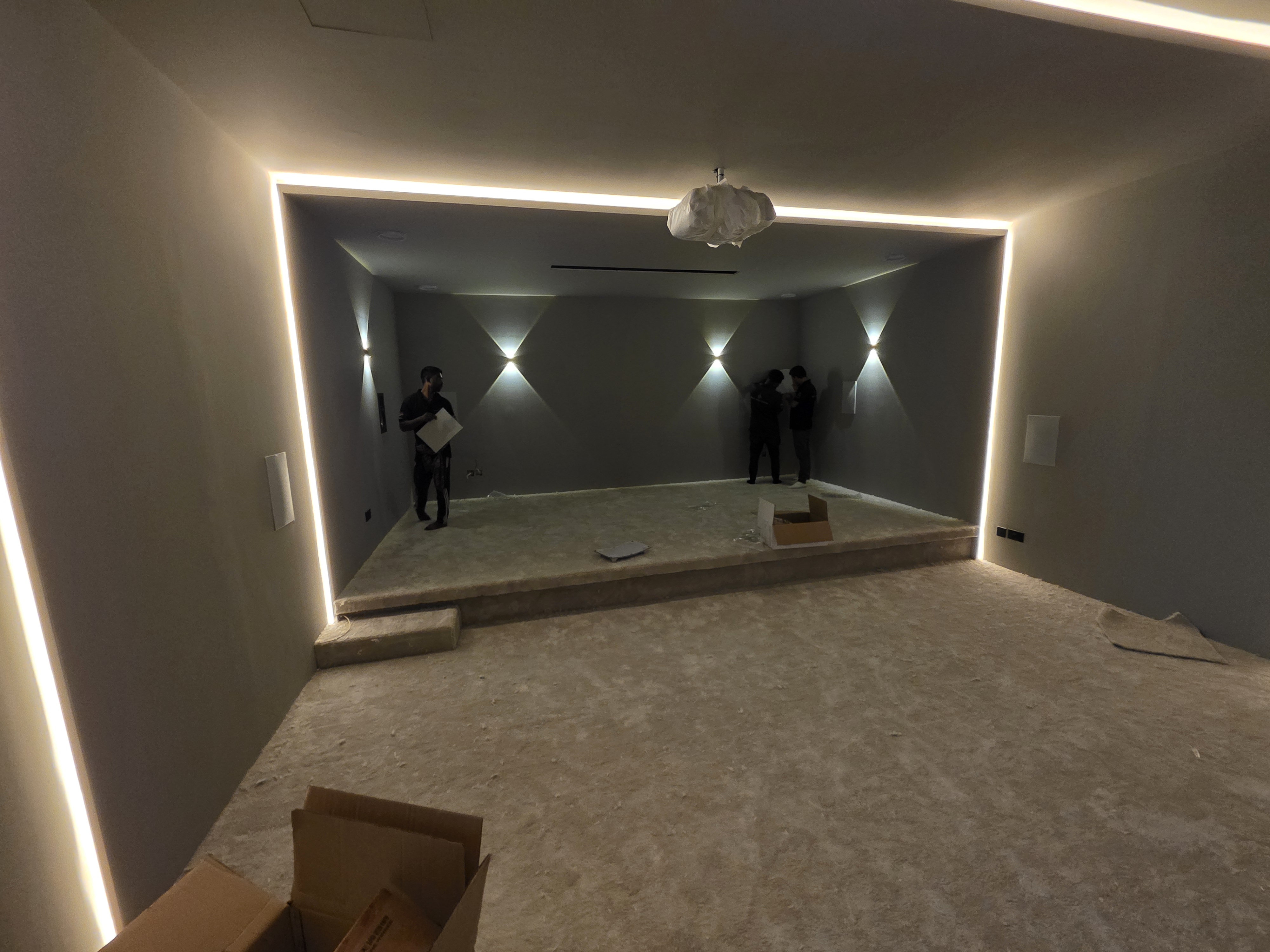
Smart home systems must be designed with maintainability in mind. This starts with thoughtful access panel planning to ensure systems can be serviced without disruption.
Protecting System Maintainability
Every smart home system requires regular maintenance. Without proper planning, servicing these systems can become a costly challenge. You need to consider access panel planning from the start. This ensures that each component is easily reachable, saving you from expensive reworks. Imagine having to tear down walls just to fix a simple issue. Proper planning means your systems stay operational and maintainable.
Preventing Destructive Rework
When access is restricted, even minor repairs can lead to significant destruction. It’s not just about the inconvenience; it’s about the cost. Planning access panels early means avoiding this. In UAE villas, where complexity is high, reworking can be particularly disruptive. By anticipating service needs, you prevent destructive rework. You protect your investment by ensuring everything can be accessed without tearing apart your home.
Preserving System Stability
Stability is key for any smart home. When systems are difficult to access, they are harder to maintain, which can lead to failures. Planning for access panels helps maintain system stability by allowing regular service and checks. This proactive measure ensures that your systems run smoothly and efficiently. Remember, maintaining stability is not just beneficial; it is essential for long-term performance.
Key Responsibilities in Planning
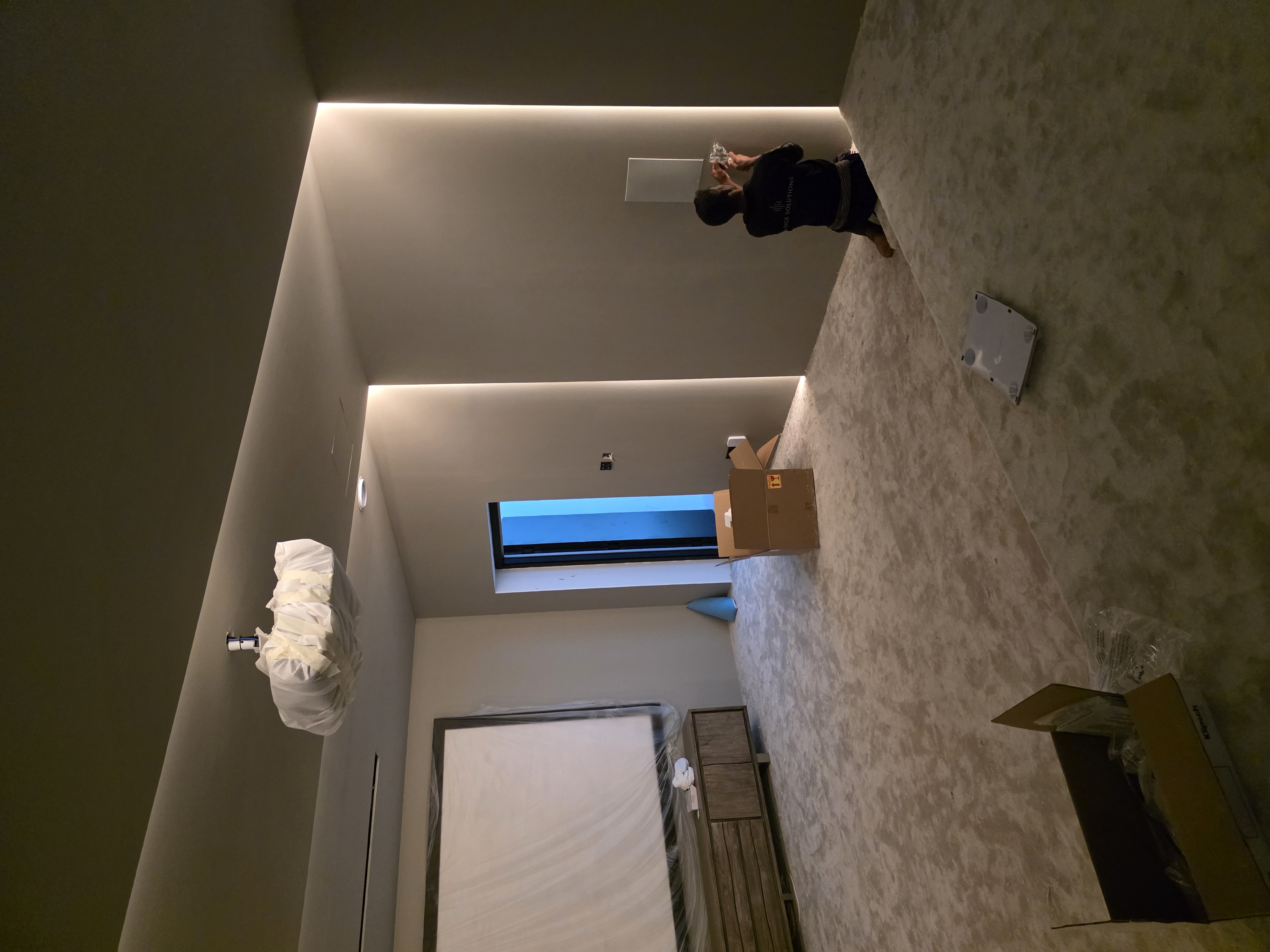
Planning access points is a team effort. It involves coordinating different roles and ensuring standards are met to maintain a high level of system reliability.
Roles of Decision-Makers
Decision-makers hold crucial roles in access planning. They must understand the long-term benefits of their choices. By prioritizing smart home maintenance, they ensure that systems can be serviced easily. This involves collaborating closely with architects and engineers. Their decisions lay the groundwork for efficient maintenance. They must communicate the importance of planning to all stakeholders to ensure alignment.
Coordination Points Across Trades
Successful access planning requires collaboration between trades. Architects, engineers, and contractors must work together closely. This coordination ensures that access panels are placed strategically. It prevents overlaps and conflicts. For instance, villa MEP coordination is essential to avoid interference with other systems. Clear communication among trades leads to a seamless integration of access points, preserving the project’s integrity.
Practical Standards for Enforcement
Establishing practical standards is essential for enforcing access planning. These standards guide the placement and design of access panels. Decision-makers need to document these standards clearly. This includes specifying service clearance zones and maintenance pathways. By setting these guidelines, you ensure that access planning is consistent and effective across all projects, leading to easier maintenance and fewer surprises down the line.
Practical Standards in Smart Home Engineering

Implementing access panels requires practical standards. These standards not only improve accessibility but also integrate well with other engineering aspects.
Documenting Access Points and Clearances
Documenting access points is a key step in planning. It provides a blueprint for maintenance teams to follow. This documentation should include detailed drawings of joinery access for equipment and ceiling access hatches. Clear documentation ensures that everyone involved understands where access is needed. It also serves as a reference for future maintenance, streamlining the process and avoiding unnecessary confusion.
Acoustic Measures for Access Doors
Access doors need to consider acoustics. Poorly designed doors can affect the sound environment. Implementing acoustic isolation access doors helps maintain the acoustic integrity of your space. By addressing acoustics, you ensure that access doors do not become a source of noise pollution. This consideration is crucial in maintaining the comfort and quality of your living environment.
Integrating Access Details into Drawings
Integrating access details into architectural drawings is essential. It ensures that all teams are aware of access requirements from the outset. These details should include provisions for equipment rack ventilation and access. By embedding access points in your designs, you make maintenance straightforward and hassle-free. It’s a proactive step that ensures long-term ease of service and system reliability.
In conclusion, thoughtful access panel planning is not merely a construction detail; it’s a critical aspect of ensuring smart home systems’ maintainability, stability, and cost-effectiveness. By prioritizing this planning stage, you protect your investment and ensure that your smart home systems perform reliably for years to come.

