
Why Power and Signal Must Run in Separate Conduits in Residential AV Projects
Power and signal conduits that share the same path invite interference, hum, and costly rework in residential AV systems. You risk degraded video quality, audio noise, and system instability when these critical pathways run together without proper separation. This article explains why power and signal separation is essential in AV conduit design, detailing how precise spacing, grounding strategies, and early MEP coordination protect your investment and ensure reliable performance in Dubai and Abu Dhabi villas.
Understanding Power and Signal Separation
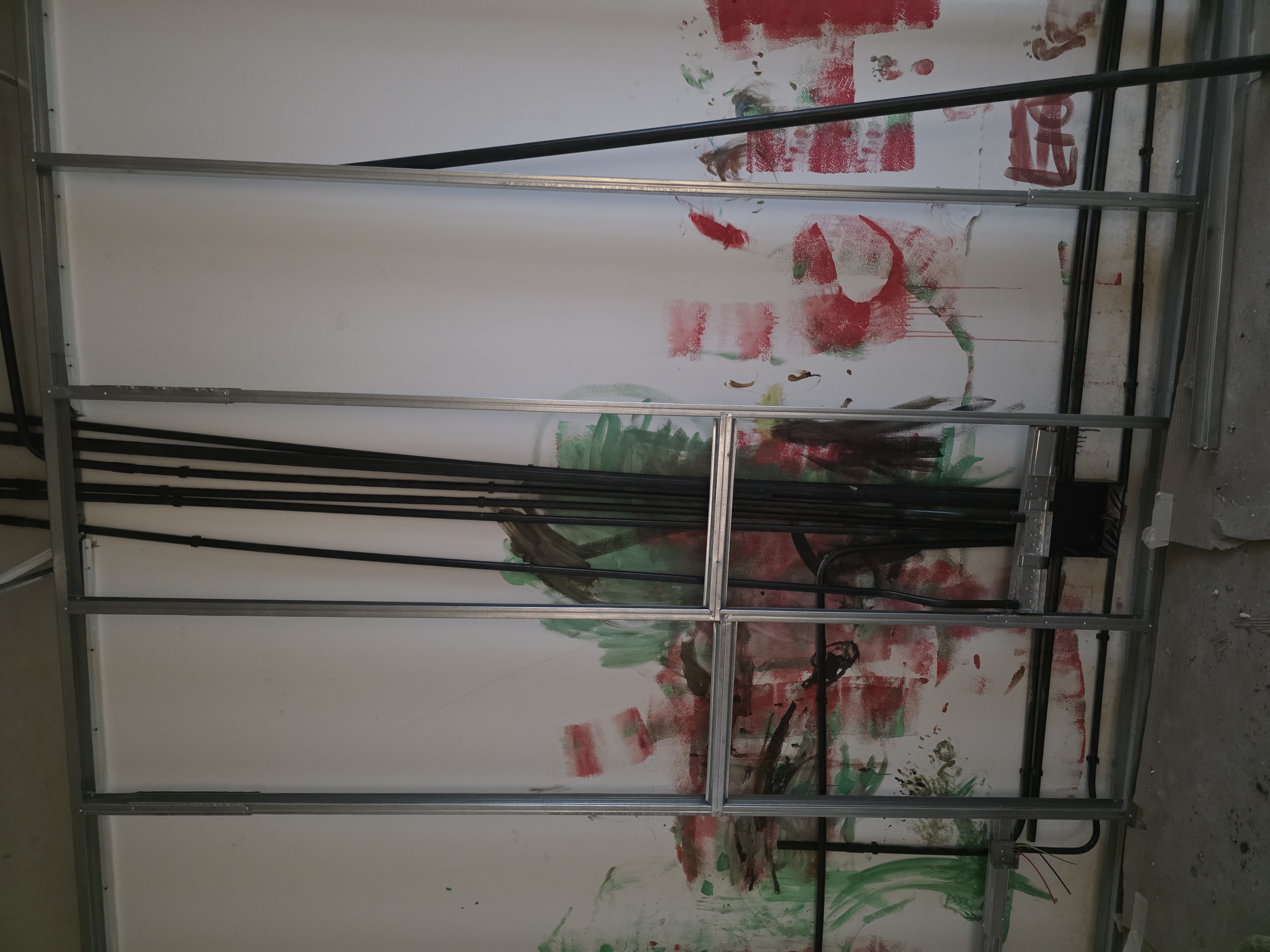
In the realm of AV installations, keeping power and signal pathways apart is crucial. This foundational principle helps prevent interference and ensures your system runs smoothly.
Importance of Conduit Segregation
Think of conduit segregation as a safeguard for your AV system. By keeping power and signal conduits separate, you limit the risk of interference that can disrupt performance. When these pathways overlap, signal quality can degrade, causing unwanted noise and video issues. Ensuring proper conduit segregation means your system will deliver clear sound and crisp visuals without disruptions.
Preventing EMI and Video Interference
Electromagnetic interference (EMI) is a common issue when power and signal lines are too close. This interference can cause your video to flicker or distort, impacting your viewing experience. By separating these lines, you minimize the risk of EMI, maintaining the visual quality you expect. For example, in a luxury villa, where every detail matters, avoiding such interference is essential for a seamless experience.
Mitigating Electrical Noise and Audio Hum
Audio systems are especially sensitive to electrical noise. When power lines and audio signals share a path, you might notice a persistent hum in your speakers. This noise can be distracting and reduce the enjoyment of your AV setup. By running power and signal conduits separately, you eliminate this hum, ensuring clean and clear audio for your home entertainment.
Effective AV Conduit Design Strategies
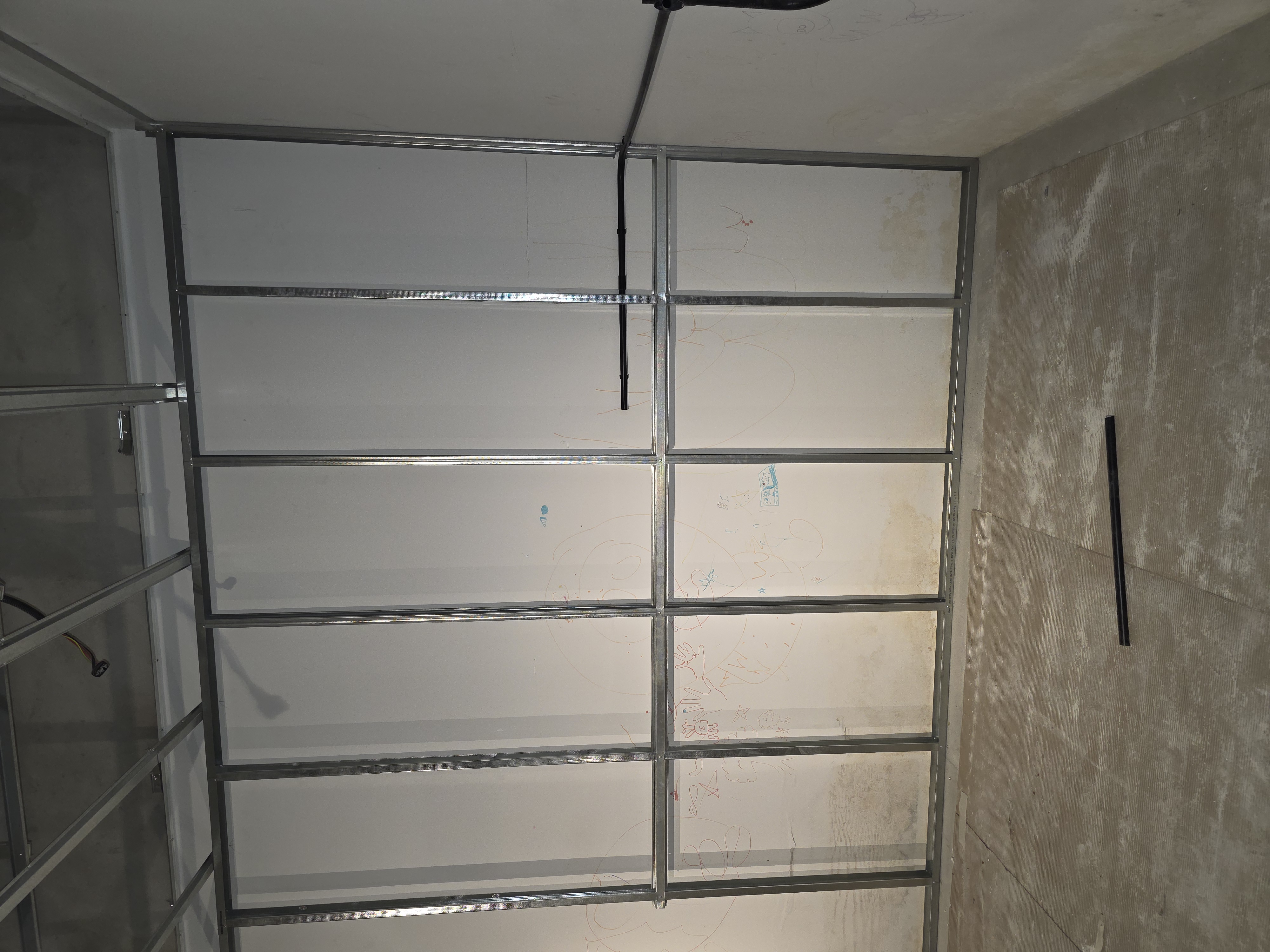
Implementing the right design strategies for your AV conduits can make all the difference in system performance. Let’s explore key guidelines and practices to enhance your installation.
Low-Voltage Conduit Guidelines in UAE
When designing low-voltage conduits, especially in the UAE, consider local regulations and best practices. Using conduits specifically rated for low voltage ensures safety and performance. Proper spacing between conduits further prevents interference, maintaining the integrity of your AV signals. In high-end residential projects, adherence to these guidelines is non-negotiable for reliable outcomes.
Grounding Strategy and Safety
Grounding is a critical component of AV installations. A well-executed grounding strategy protects against electrical faults that can damage equipment. It also enhances safety by reducing shock hazards. Ensuring your conduit systems are properly grounded means your investment is protected, and your home environment remains safe and secure.
Shielded Cable Practices and Cross-Talk Prevention
Using shielded cables is a proactive approach to preventing cross-talk, where signals bleed into each other. This can be particularly problematic in complex systems with multiple components. By employing shielded cables, you add an additional layer of protection against interference, ensuring each component operates without being affected by others. This practice is essential in maintaining the clarity and quality of your AV system.
Ensuring Long-Term System Performance

For a system that stands the test of time, you must focus on coordination, planning, and verification throughout the design and installation process.
MEP Coordination and Design-Level Review
Coordinating with MEP (Mechanical, Electrical, and Plumbing) experts during the design phase is vital. This collaboration ensures that AV systems integrate seamlessly with other building services. A design-level review helps identify potential conflicts early, allowing for adjustments before construction begins. By addressing these issues upfront, you reduce the likelihood of costly rework later.
Risks of Poor Planning and Rework
Poor planning often leads to rework, which can be expensive and time-consuming. When conduits are not correctly designed or installed, it can result in system failures and require costly adjustments. By investing in thorough planning and design from the outset, you avoid these pitfalls and ensure your AV system functions as intended.
Importance of Site Verification and Testing
Before your project reaches completion, conducting site verification and testing is essential. This step confirms that all elements of your installation meet design specifications. Testing identifies any issues that need to be addressed, ensuring your system performs optimally. By verifying each aspect of the installation, you protect your investment and enjoy a reliable, high-performance AV experience for years to come.
In conclusion, separating power and signal conduits in residential AV projects is not just a recommendation—it is essential for maintaining the integrity and performance of your system. By following these guidelines and strategies, you ensure a reliable and high-quality AV experience that stands the test of time.


