

Conduit Materials and AV Reliability: Practical Guidance for UAE Residences
Conduit material selection shapes the reliability of your AV system more than most realize. The wrong choice can lead to interference, ground loops, corrosion, or costly rework after walls are closed. This post breaks down how each conduit type affects AV/ELV pathways in UAE residences and what steps you can take to avoid common pitfalls before construction moves too far.
Selecting Conduit Materials for Reliability

Choosing the right conduit material is crucial for the dependability of your AV system. Your selection directly influences performance and longevity, making it vital to understand the properties of different materials.
Understanding Material Properties
Each conduit material has unique traits that impact AV systems in diverse ways. PVC conduits are often favored due to their corrosion resistance and ease of installation. They are lightweight and cost-effective, making them a popular choice. Steel conduits, on the other hand, offer superior physical protection and are well-suited for environments requiring high durability. However, they can be prone to corrosion, especially in salt-air conditions prevalent in the UAE. This can lead to long-term reliability issues if not properly managed. EMT conduits, known for their thin-walled design, provide a balance between flexibility and strength. They are ideal in applications where space constraints and weight considerations are critical.
The choice between PVC vs steel conduit should be guided by your specific needs, especially considering environmental factors and installation scenarios. The right conduit material can prevent costly rework and ensure seamless integration of your AV system.
Impact on EMI and Noise Performance
Conduit materials also affect electromagnetic interference (EMI) and system noise levels. Steel conduits offer excellent EMI shielding, reducing the risk of interference between cables and external sources. This is particularly beneficial in densely populated electronic environments. In contrast, PVC conduits lack inherent EMI shielding, requiring additional measures to ensure noise reduction. Effective grounding and bonding practices can mitigate potential disturbances caused by ground loops.
The noise floor reduction is essential for maintaining high-quality audio and video signals. Proper material selection, along with strategic installation practices, can significantly decrease unwanted noise, thus enhancing system performance. By choosing the right conduit, you ensure your AV system operates smoothly, free from disruptive interferences.
Installation Details for Long-Term Service
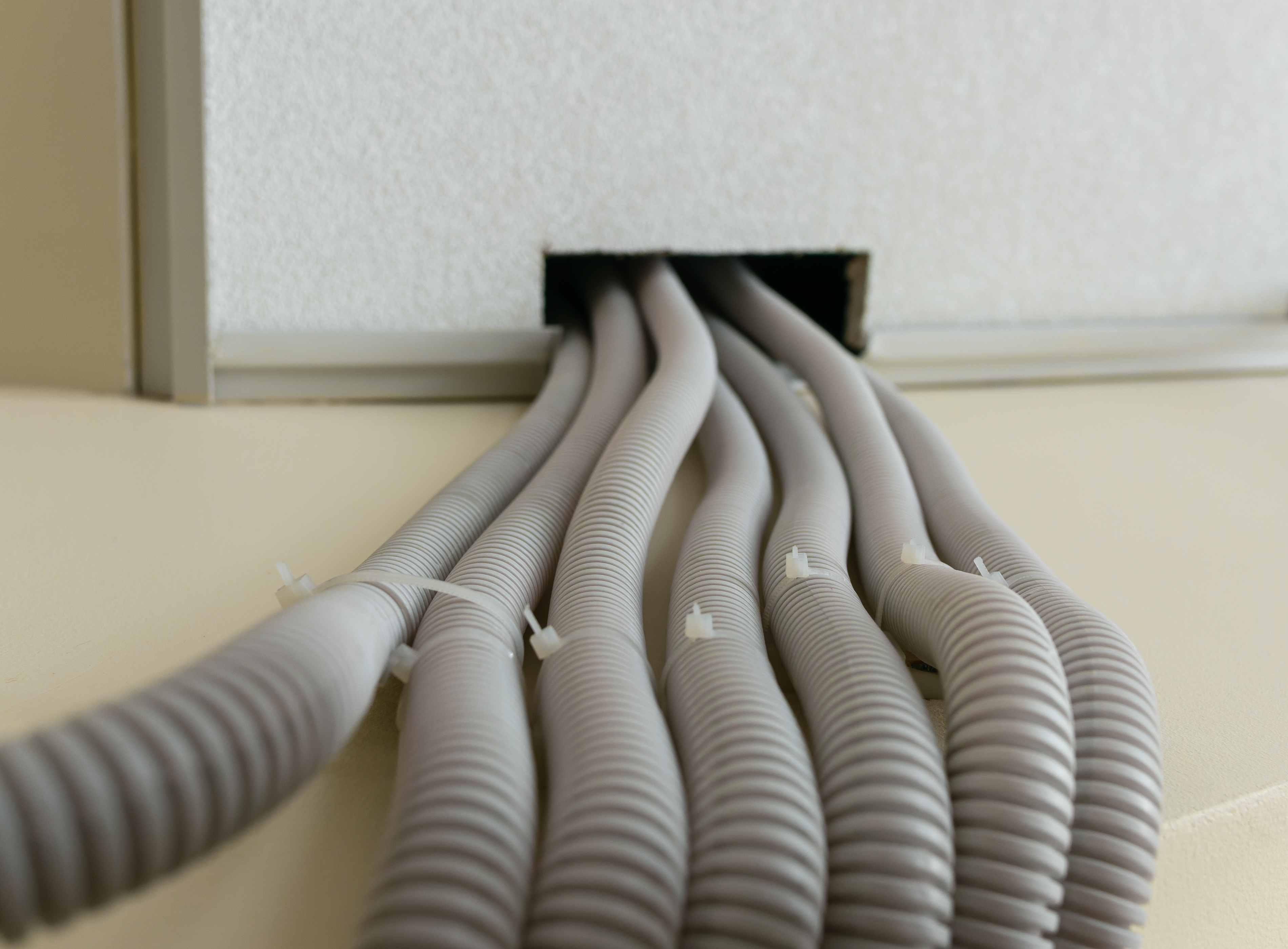
How you install conduits influences their performance over time. Attention to detail during this phase can prevent service disruptions and extend the lifespan of your AV system.
Grounding and Bonding Best Practices
Effective grounding and bonding are fundamental to maintaining system reliability. They protect against electrical faults and ensure consistent operation. Ground loops are a common issue that can introduce noise and signal degradation. To avoid this, use dedicated grounding paths that isolate AV circuits from other electrical systems. This ensures that your system remains stable, even under variable conditions.
Consistent bonding practices also prevent unwanted voltage differences across your installation. By using high-quality connectors and ensuring tight connections, you reduce the risk of system failures. Proper grounding and bonding safeguard your investment and contribute to long-term serviceability.
Mitigating Heat and Corrosion Issues
Heat and corrosion are silent adversaries in conduit installations. They can compromise the integrity of your system without visible warnings. Selecting plenum-rated materials helps in environments where heat resistance is critical. These materials are designed to withstand higher temperatures, ensuring your system remains safe under stress.
Corrosion resistance is equally important, especially in coastal regions like the UAE. Using materials that resist salt-air corrosion is crucial. Options like HDPE duct offer excellent protection against corrosive elements. Proper material selection, combined with strategic placement and insulation, mitigates the risks posed by heat and corrosion, preserving your system’s functionality.
Coordination Steps to Prevent Mistakes
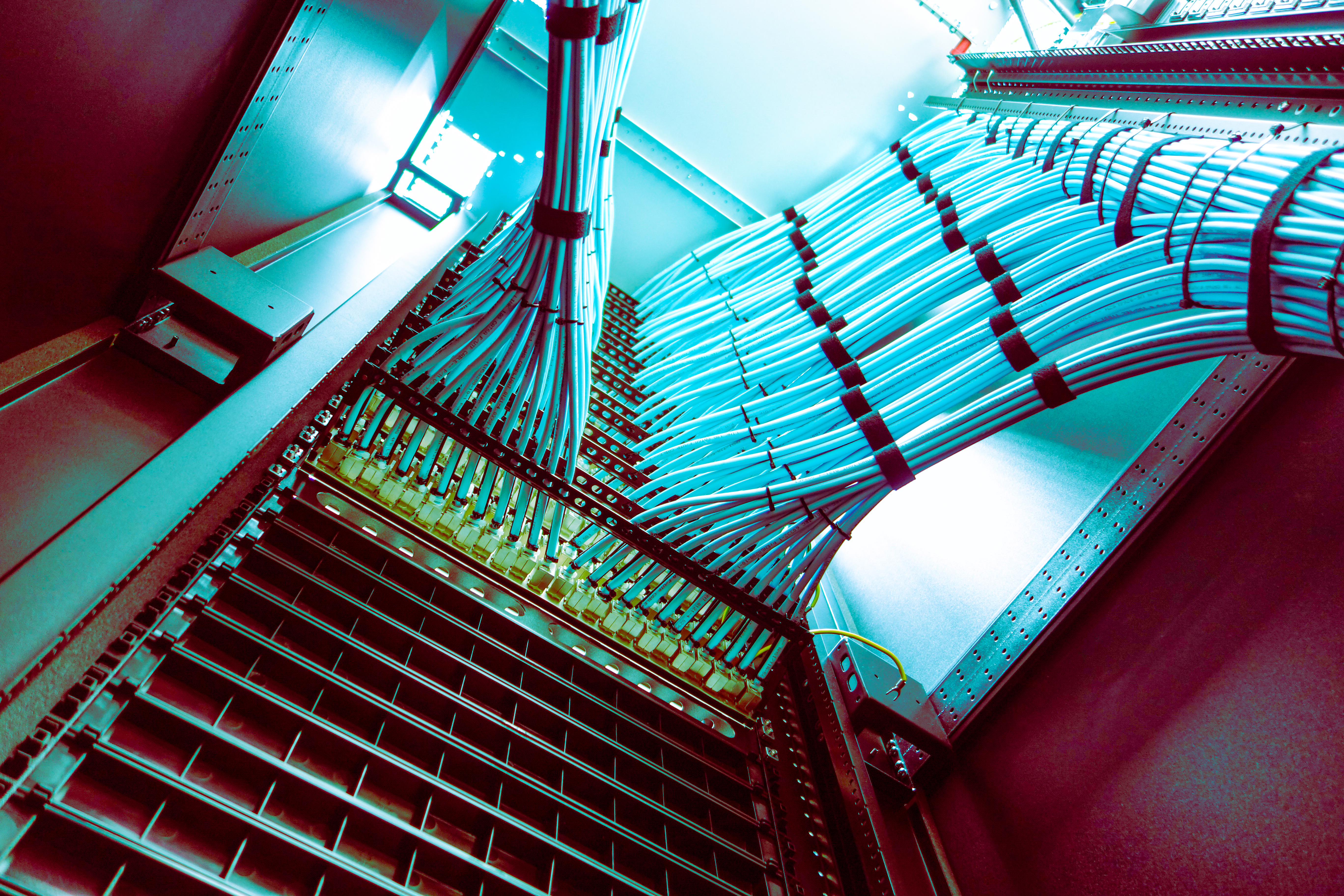
Preventing errors in conduit installation requires careful planning and coordination. Following structured steps helps ensure a flawless execution.
Ensuring Proper Cable Segregation
Proper cable segregation is essential to avoid interference and maintain signal integrity. Separate power and signal cables to reduce the risk of crosstalk and signal loss. This is especially crucial when dealing with high-frequency signals. Establishing clear pathways and maintaining adequate bend radius limits prevents physical stress on cables, reducing the likelihood of damage.
Additionally, pull box spacing should be strategically planned to facilitate easy access and maintenance. Regular checks ensure that cables remain adequately segregated throughout their lifespan. By implementing these practices, you ensure optimal system performance and minimize the risk of disruptions.
Acoustic Isolation and Firestopping Essentials
Acoustic isolation is vital for maintaining sound quality in residential AV installations. Proper conduit placement, along with acoustic isolation penetrations, prevents vibrational noise from affecting audio performance. This involves using isolation techniques that prevent sound transmission through conduits.
Fire safety is another critical aspect. Implementing firestopping for ELV systems ensures that conduits do not compromise the building’s safety standards. Using fire-resistant materials and sealing all penetrations effectively contain potential fire hazards. This not only preserves the integrity of your AV system but also ensures compliance with safety regulations.
In conclusion, selecting the right conduit materials and adhering to best practices during installation are foundational to achieving a reliable AV system. By focusing on the details outlined in each section, you safeguard your investment and ensure long-term performance in your UAE residence.


