
Engineering Best Practices for Reliable Smart Home Automation in UAE Residences
Many smart home systems in UAE villas fail quietly, hidden behind closed walls—only to cause frustration years later. These failures rarely stem from the equipment itself, but from overlooked engineering details during construction. Understanding core practices like power planning and grounding or network architecture for automation can prevent costly rework and ensure smart home reliability. This guide focuses on what your project team must get right before close-out to secure lasting performance.
Essential Power Planning
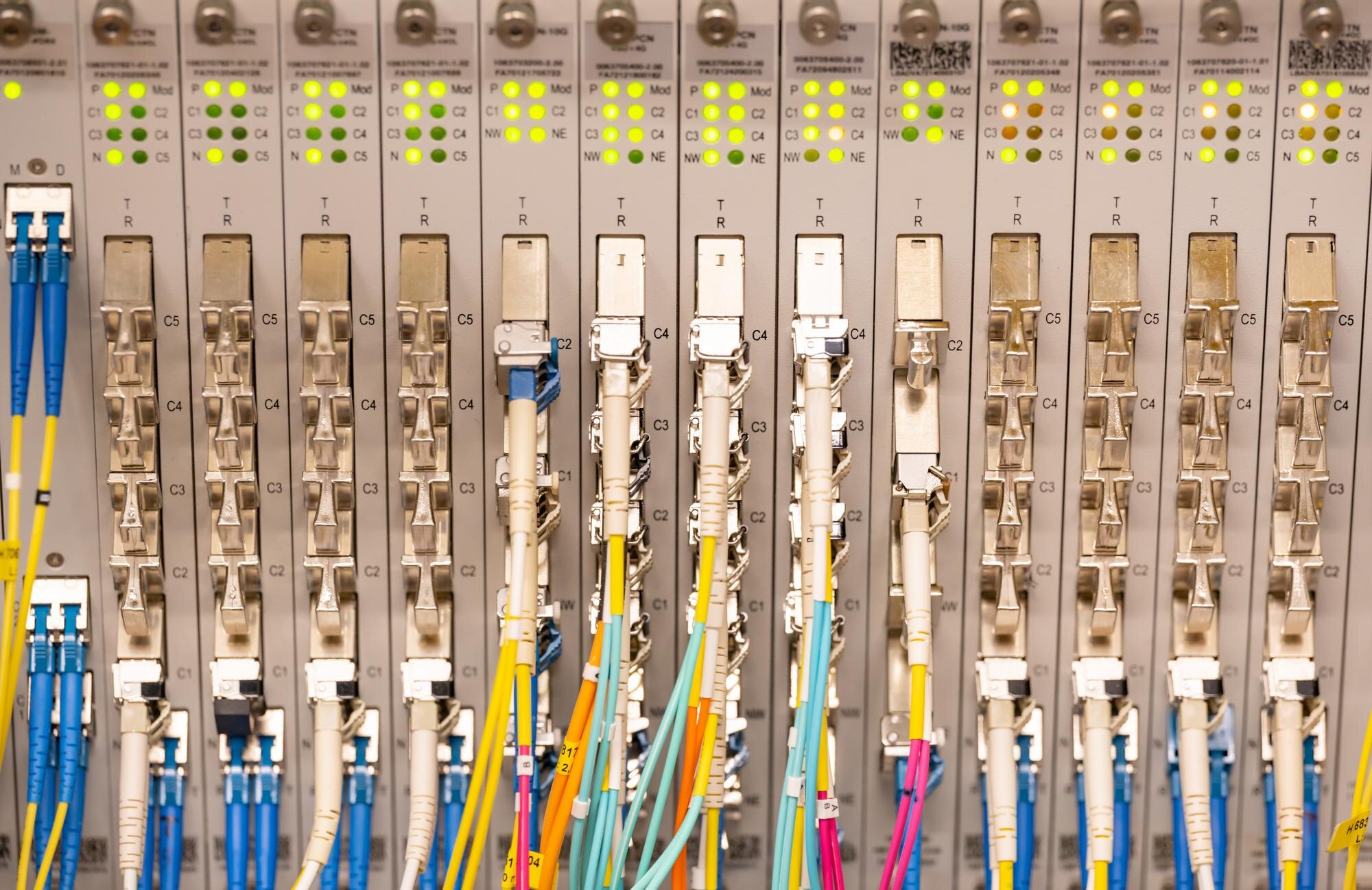
Starting with power planning is crucial. Without it, even the most advanced smart home systems can falter. Let’s explore key aspects that keep your systems running smoothly.
Surge Protection and Earthing
Protecting your system begins with surge protection. Voltage spikes can damage sensitive electronics. Installing surge protectors at key points can prevent this. Think of them as the first line of defense for your smart home.
Earthing is equally important. It provides a path for excess electricity to dissipate safely into the ground. Without proper earthing, your home is vulnerable to electrical shocks and fires. Double-check that your earthing measures meet local standards to ensure safety.
UPS and Power Quality
A UPS (Uninterruptible Power Supply) is essential for maintaining operations during power outages. It provides temporary power to keep your systems running until the main power returns. This is particularly important in regions with unstable grids.
Beyond that, focus on power quality. Fluctuations in voltage can cause equipment malfunctions. A power conditioner can stabilize the voltage, protecting your devices from potential damage. Ensure that your power systems are set up to handle these fluctuations effectively.
Network Architecture and Design
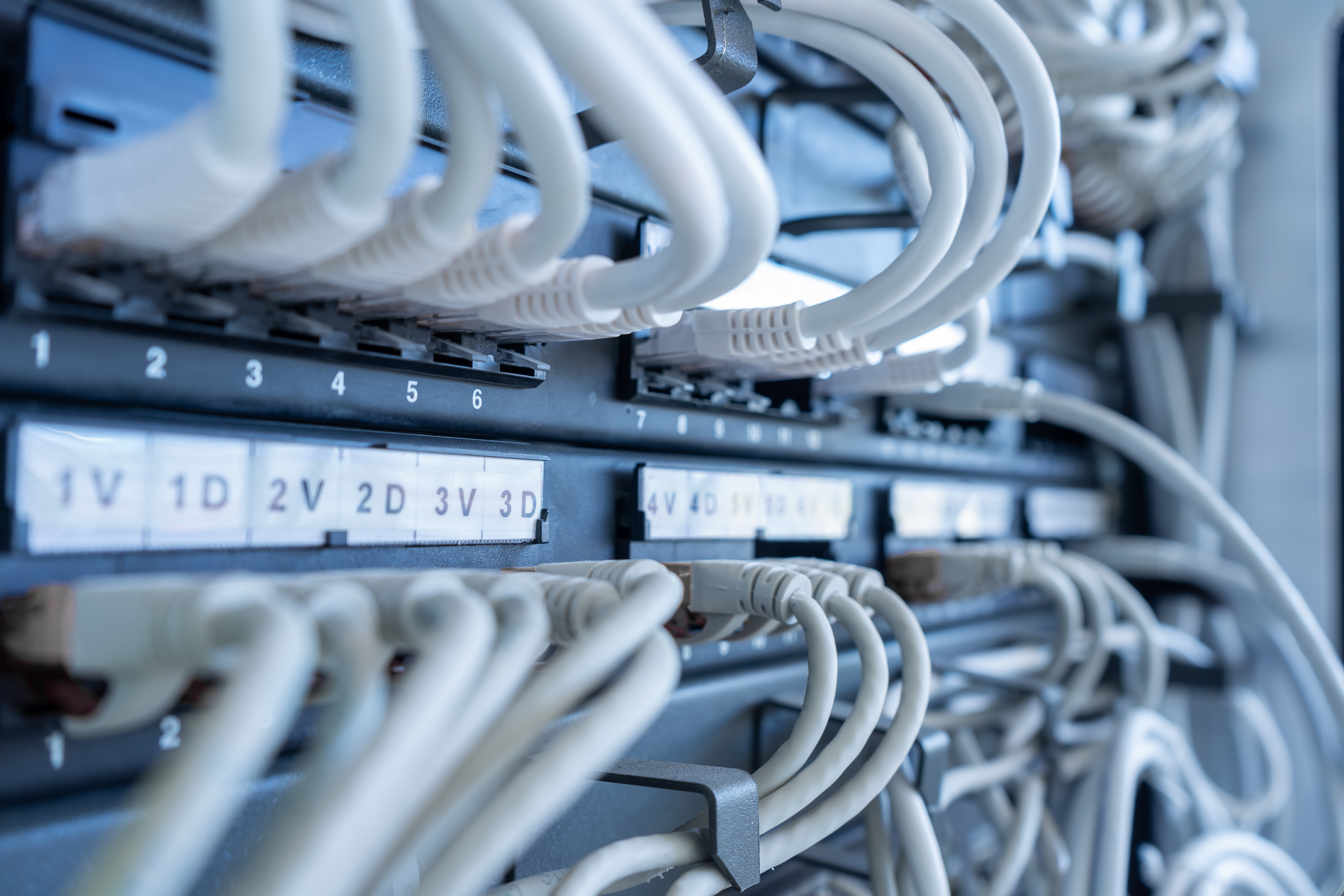
Once power planning is in place, attention turns to network architecture. This foundation supports all your smart systems.
Structured Cabling in UAE
Structured cabling forms the backbone of your network. It involves installing a system of cables and hardware that supports a building’s communication systems. In UAE, this means considering climate and building materials, which can affect signal quality.
Ensure cables are properly shielded to minimize interference. This will help maintain reliable data transmission and reduce network downtime. A well-organized cabling system can prevent many common issues later on.
Rack Design and Thermal Management
Your equipment needs a home. That’s where rack design comes in. Proper rack design optimizes space and allows for easy maintenance. It also plays a role in managing heat—a critical factor in preventing equipment failures.
Thermal management ensures that your equipment runs within safe temperature ranges. Consider installing fans or air conditioning in areas where equipment is housed. This will help maintain optimal conditions and extend the lifespan of your devices.
Control and Integration Strategies
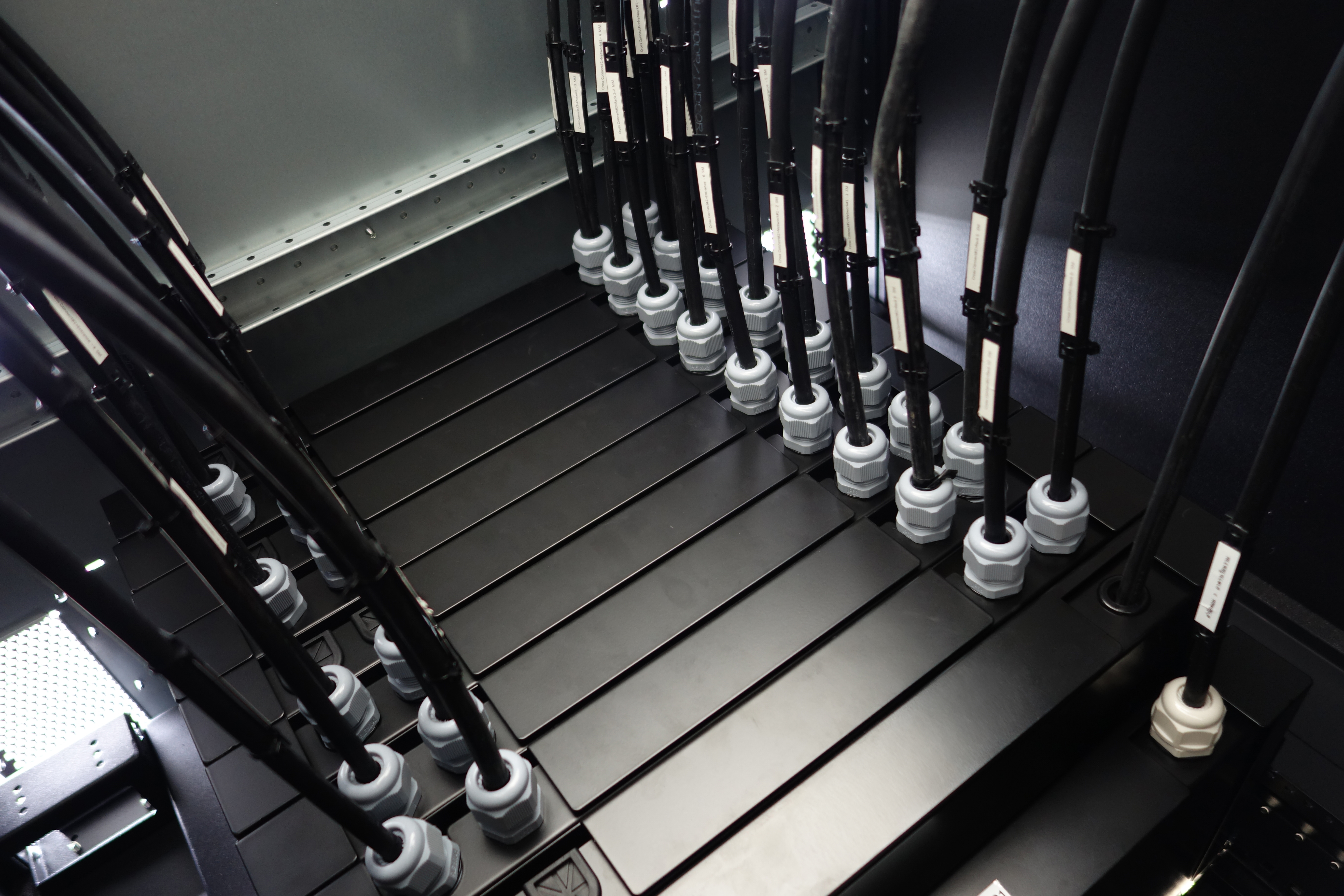
With power and network systems in place, the focus shifts to the seamless integration of your control systems.
Control System Topology
Control system topology refers to how various components of your system interact. It’s crucial to establish a clear plan for control hierarchies and communication protocols. This ensures that each part of your system can operate independently or as part of a larger network.
Plan your topology to allow for future expansions. This foresight will save time and money when upgrading or adding new components.
HVAC Integration with Controls
Finally, integrating HVAC systems with controls maximizes comfort and efficiency. Proper integration means your heating, ventilation, and air conditioning systems work together with your automation controls. This allows for smart, energy-efficient climate management.
Ensure the HVAC system is compatible with your controls. This prevents conflicts and ensures smooth operation. In the UAE’s hot climate, effective HVAC integration is a must for maintaining comfort and controlling energy costs.
By focusing on these core practices, you set the stage for a smart home that operates reliably and efficiently. Remember, the quality of planning determines the long-term success of your systems.


