

Preventing Vibration and Noise: Essential Considerations in Private Cinema Design
Vibration and noise are the most common causes of disappointment in private cinema design. Without careful planning, these issues silently undermine your investment and disrupt the viewing experience. This article explains essential steps in vibration control and noise prevention to help you avoid costly mistakes in UAE cinema design. Understanding these fundamentals ensures your residential AV systems deliver consistent, high-performance cinema enjoyment for years.
Understanding Private Cinema Design
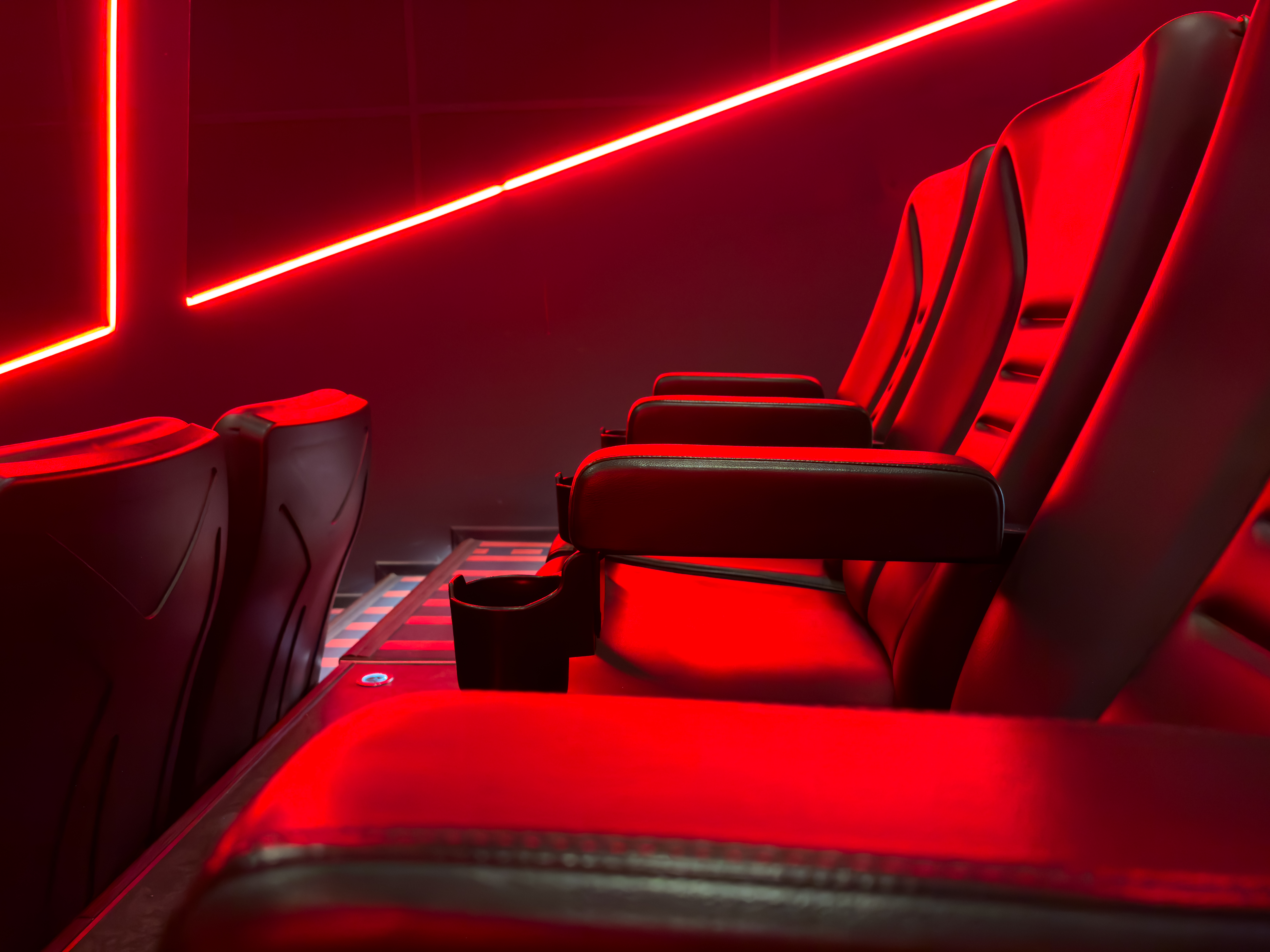
Creating a private cinema involves more than just selecting plush seats or a big screen. You need to grasp the foundational principles that ensure a flawless viewing experience.
Key Principles in Acoustic Planning
Acoustic planning is the backbone of any cinema design. It’s about shaping the sound so you hear every whisper and explosion just right. The first step is selecting materials that absorb unwanted noise. Soft fabrics, thick carpets, and insulated walls can make a world of difference. Next, consider speaker placement. Incorrect positioning can lead to sound imbalances, ruining the cinematic effect. Finally, don’t forget about the room’s shape. Square rooms can create echoes, so aim for irregular shapes where possible. Remember, the goal is to enhance every sound, not just amplify it.
Importance of Vibration Control
Vibration control is crucial in maintaining sound quality. Unchecked vibrations can muddle audio, turning a crisp soundscape into a jumbled mess. Start by isolating your subwoofers. Placing them directly on structural slabs can cause unwanted shaking. Instead, use isolation platforms to absorb these vibrations. Additionally, ensure your seating structures and risers aren’t rigidly fixed to the floor. This minimizes the transfer of low-frequency energy throughout the room. A cinema free from disruptive vibrations enhances your overall experience, letting you lose yourself in the story.
Strategies for Noise Prevention
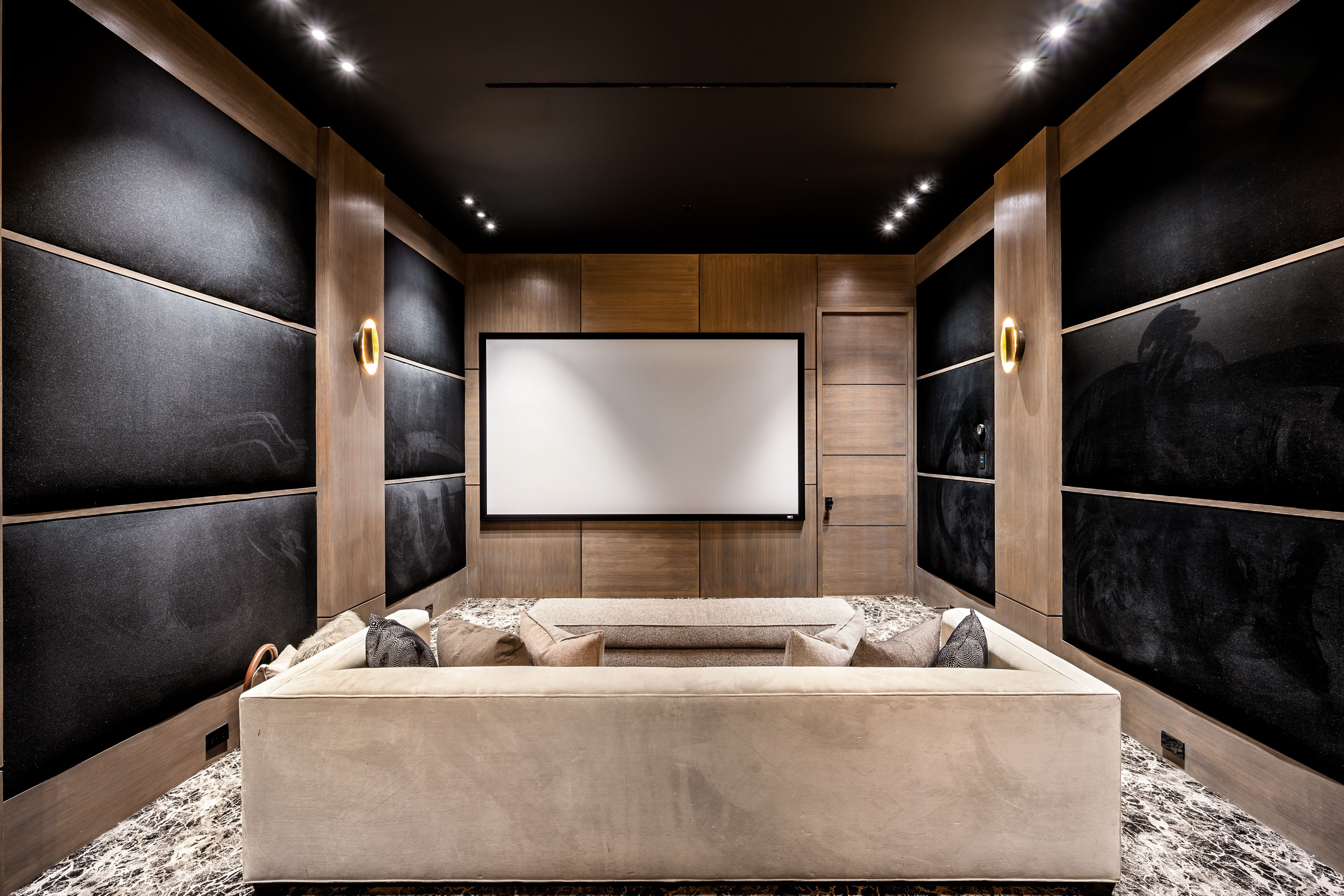
Once the basics of cinema design are understood, the next task is to prevent disruptive noise. Here are strategies to keep your private cinema serene.
Effective Architectural Integration
Architectural integration plays a pivotal role in noise prevention. It starts with choosing construction materials that naturally dampen sound. Concrete and brick are often better choices than lightweight materials. Another key element is ensuring no gaps exist where sound can sneak through. Pay close attention to windows and doors, using seals and sweeps to block noise. Ductwork should be insulated and isolated to prevent sound from traveling between rooms. By integrating these considerations into your building plans, you create a sanctuary of sound that keeps distractions out.
Role of Residential AV Systems
The right AV systems are essential in maintaining an immersive experience. High-quality systems aren’t just about clarity; they’re about consistency and control. Invest in systems that allow precise adjustment of sound levels and equalization. This lets you tailor audio to your room’s specifics, countering any lingering acoustical challenges. Furthermore, ensure that components are properly calibrated to work together, minimizing interference and distortion. When your AV systems are configured correctly, you create a seamless audio environment that enhances viewing pleasure.
Ensuring High-Performance Cinema
Achieving a high-performance cinema isn’t just about initial setup. It’s about ensuring it functions optimally for years to come.
Benefits of Engineering-Driven Cinema
An engineering-driven approach to cinema design ensures robust systems that perform reliably. This approach involves meticulous planning, from the layout of the room to the selection of every component. Systems are designed with efficiency and longevity in mind, minimizing the need for constant adjustments or repairs. By prioritizing engineering principles, you ensure that your cinema not only meets today’s standards but remains functional and enjoyable well into the future.
Long-Term Performance in UAE Cinema Design
In the UAE, cinema design must contend with unique challenges, including high humidity and intense heat. Long-term performance requires systems built to withstand these conditions. This involves selecting materials and technologies proven to last in such environments. Additionally, regular maintenance and updates are crucial. Routine checks and system evaluations help identify and fix potential issues before they escalate. By focusing on durability and adaptability, your cinema will continue delivering excellent viewing experiences, no matter the challenges.
In summary, creating a high-performance private cinema requires thoughtful planning and execution. By focusing on key principles of acoustic planning, vibration control, noise prevention, and engineering-driven design, you build not just a room, but an experience that lasts.

